
Missing teeth can affect more than your appearance. They can influence chewing, speaking, and even your confidence during everyday interactions. Many people delay treatment because they are unsure about what the process involves. Questions about procedures, recovery, and treatment steps are common. Understanding the journey ahead often makes the decision feel much easier.
Dental implants have become one of the most trusted long-term tooth replacement solutions because they are designed to look, feel, and function like natural teeth. If you are considering treatment in Austin, MN, understanding the process from start to finish can help you feel informed and prepared.
Research across dental practices and implant providers consistently shows that implant treatment follows a staged process involving evaluation, planning, placement, healing, and final restoration.
Understanding Dental Implants Before Treatment
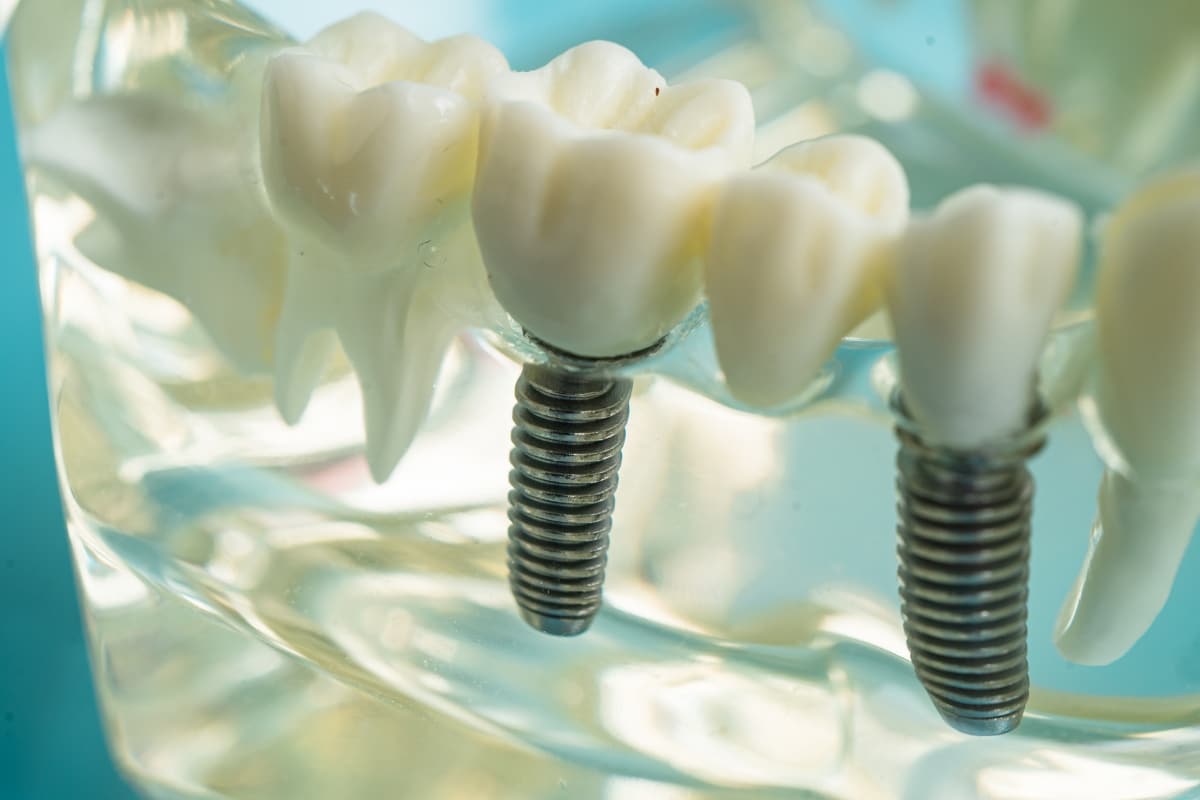
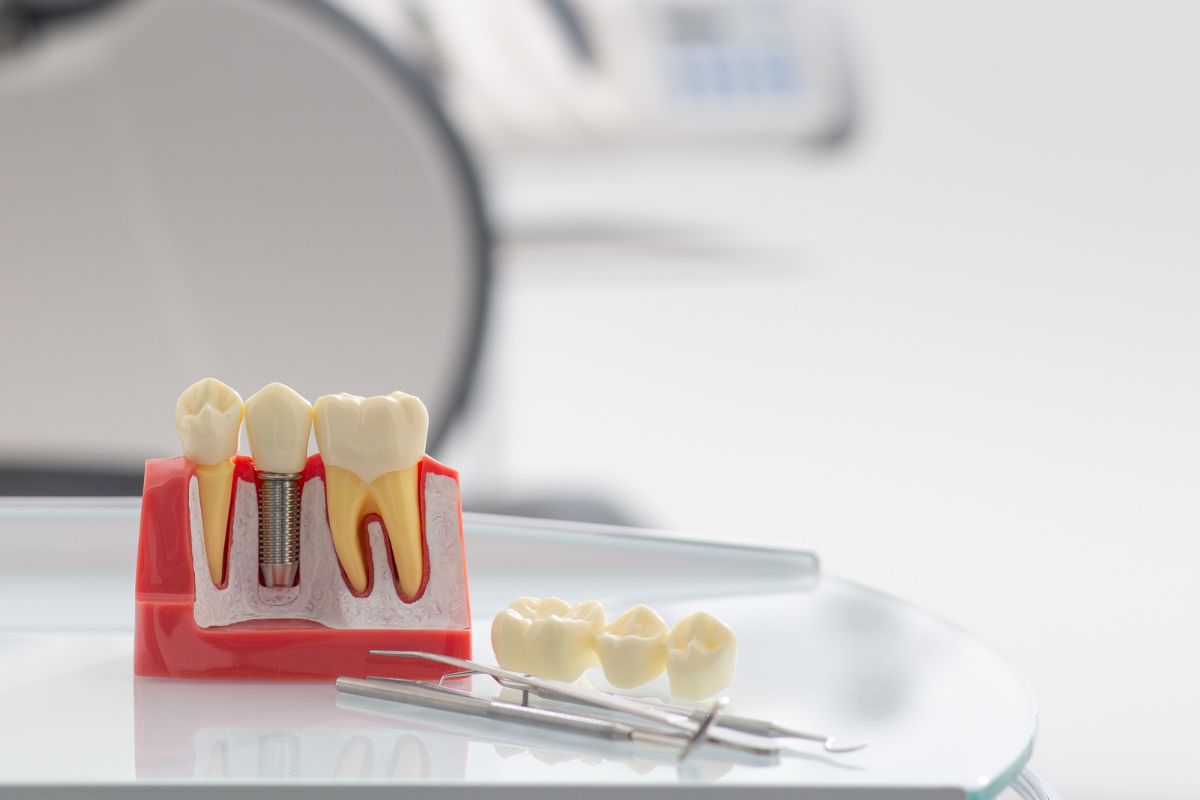
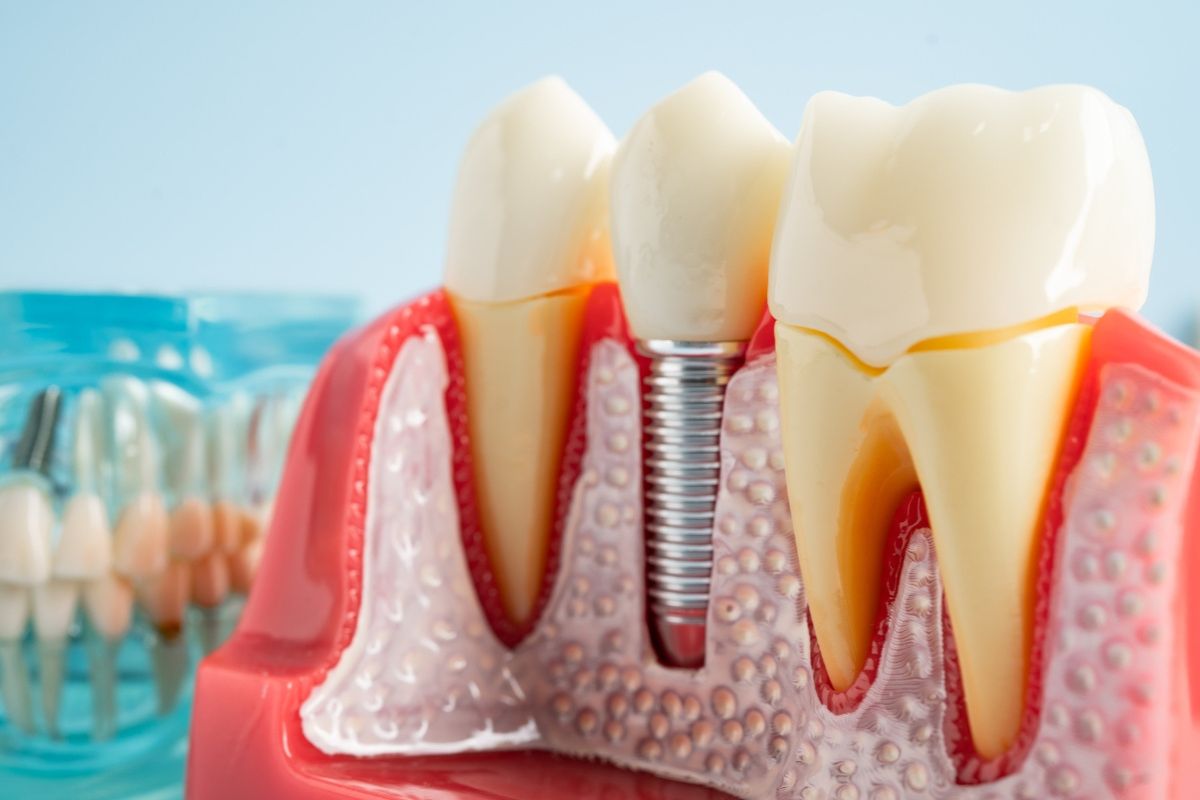
Dental implants are designed to replace both the visible tooth and the root beneath the gums. The implant itself is commonly made of titanium and is placed into the jawbone to create a secure foundation for the replacement tooth.
Unlike removable options, implants integrate with your bone structure through a natural healing process called osseointegration. This creates stability and helps preserve jawbone health over time.
Step-by-Step Guide to the Dental Implant Process
Step 1: Initial Consultation and Oral Examination
The process begins with a comprehensive evaluation. During this appointment, your dental team assesses your oral health and discusses your concerns and smile goals.
The appointment often includes:
- Digital X-rays
- 3D imaging
- Gum health assessment
- Bone density evaluation
- Medical history review
This stage helps determine whether implants are suitable and whether any preparatory treatments are needed. Many practices now use advanced digital planning tools for precise treatment mapping.
Within this treatment journey, our dental implant procedure in Austin, focuses on creating a personalized treatment pathway rather than using a one-size-fits-all approach.
Step 2: Preparing the Mouth for Implant Placement
Some patients can move directly to implant surgery. Others may require preparatory treatment first.
Preparation can include:
- Removal of damaged teeth
- Treatment for gum disease
- Bone grafting when bone support is insufficient
These steps create a healthy foundation and improve long-term implant success.
Not every patient requires these procedures, but preparation often plays an important role in treatment outcomes.
Step 3: Implant Placement Procedure
During implant surgery, a small titanium post is positioned into the jawbone where the missing tooth root once existed.
The procedure generally includes:
- Local anesthesia or sedation
- Small opening in the gum tissue
- Placement of the implant post
- Closing and protecting the area for healing
Many patients are surprised by how comfortable the process feels. People often compare it to routine dental procedures.
Implant placement today benefits from digital imaging and guided technology that improves precision and predictability.
Step 4: Healing and Osseointegration
Healing is one of the most important stages of the process.
After placement, your jawbone gradually bonds with the implant surface through osseointegration. This creates a strong foundation for the replacement tooth.
Healing periods vary because every patient heals differently. During this phase:
- Bone integrates with the implant
- Gum tissue recovers
- Temporary restorations may sometimes be used
The healing stage often requires patience because it contributes significantly to long-term implant stability.
Step 5: Abutment Placement
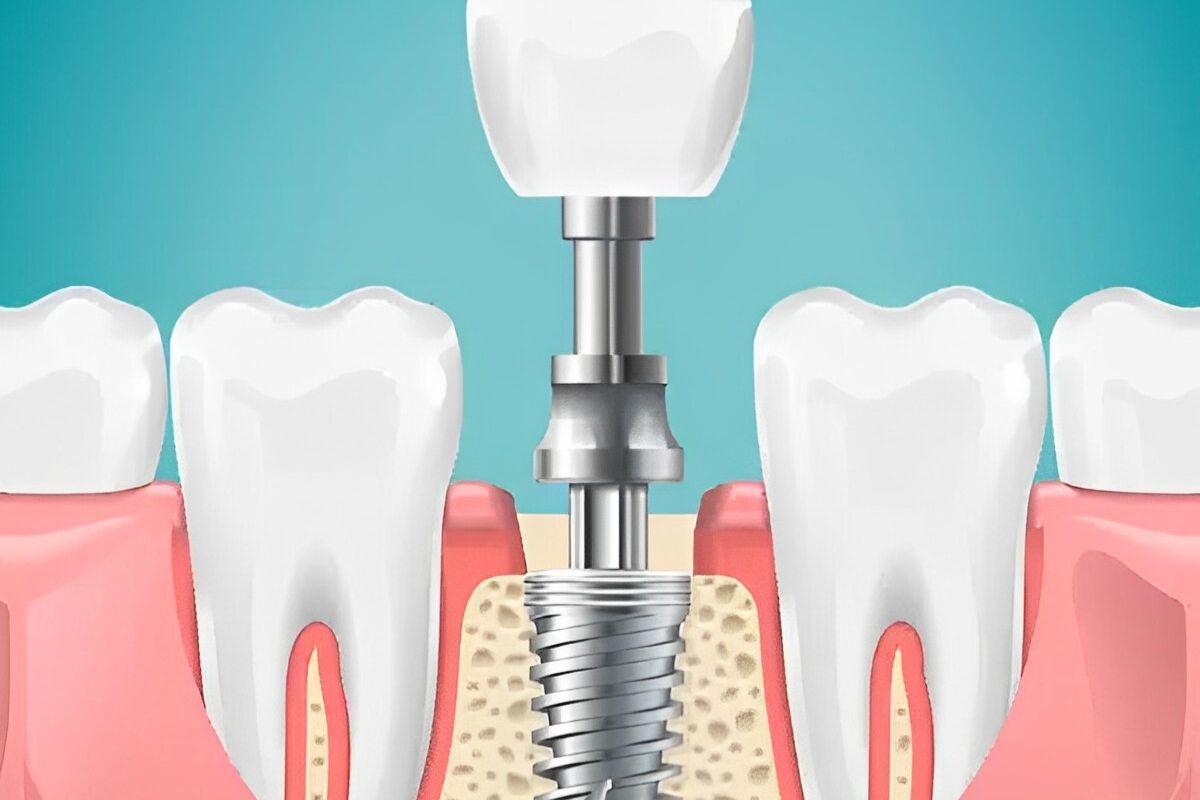
Once the implant has integrated successfully, a connector piece called an abutment is attached.
The abutment serves as the link between:
- The implant post
- The final replacement tooth
Minor healing may occur before moving to the final restoration stage.
Step 6: Creating and Placing Your Final Restoration
The last stage involves creating your custom replacement tooth.
Your dental team takes impressions and designs a restoration that matches surrounding teeth in:
- Shape
- Color
- Size
- Bite alignment
Once placed, the final restoration is designed to blend naturally into your smile.
Dental Implant Process at a Glance
| Treatment Stage | Purpose |
|---|---|
| Consultation and Examination | Assess oral health and treatment suitability |
| Preparatory Treatment | Build a healthy foundation |
| Implant Placement | Insert titanium post |
| Healing and Integration | Allow bone to fuse with implant |
| Abutment Placement | Connect implant and restoration |
| Final Restoration | Complete smile function and appearance |
Common Questions Patients Ask During Treatment
Many individuals looking for a dentist near Austin frequently ask what daily life feels like during the treatment process.
Patients commonly want to know:
- Will I be able to eat normally?
- How long does healing usually take?
- Can implants feel like natural teeth?
- What should I expect after surgery?
- How do I care for implants afterward?
These are practical concerns and discussing them early helps patients feel more comfortable.
Trending FAQs About Dental Implants
Frequently Asked Questions
• How long does the dental implant process take?
Treatment timelines vary depending on healing and whether additional procedures are needed.
• Are dental implants permanent?
Implants are designed to be a long-term tooth replacement option when maintained properly.
• Can I replace multiple missing teeth with implants?
Yes. Implants can support individual crowns, bridges, or full-arch restorations.
• Do implants feel like real teeth?
Most patients report that implants feel very natural after healing.
• Can I return to normal activities after treatment?
Many patients resume regular routines relatively quickly, although specific recommendations differ by individual cases.
Why Understanding the Process Matters
Knowing each step helps remove uncertainty. Dental implant treatment is not simply about replacing a missing tooth. It is a carefully planned process focused on restoring function, oral health, and confidence.
Every smile is unique, and treatment planning should reflect that. If you have questions about missing teeth or want to understand whether implants may be appropriate for your situation, contact us to discuss your options and receive guidance tailored to your oral health needs.
Replacing missing teeth is a journey rather than a single appointment. Understanding the steps involved can help you feel more confident and informed about the process ahead. With proper planning, modern technology, and personalized care, patients can move toward restoring both their smile and daily comfort with greater peace of mind.
Research consistently shows that implant treatment follows staged planning, healing, and restoration protocols designed to support long-term outcomes.