
Losing a tooth as an adult can feel discouraging, whether it happened because of decay, injury, or gum disease. The good news is that modern dentistry offers a permanent, natural-looking solution: dental implants. If you’re researching dental implants in Austin, MN, this guide walks through everything you need to know, from how implants work to what recovery looks like, so you can make a confident, informed decision about your oral health.
What Are Dental Implants?
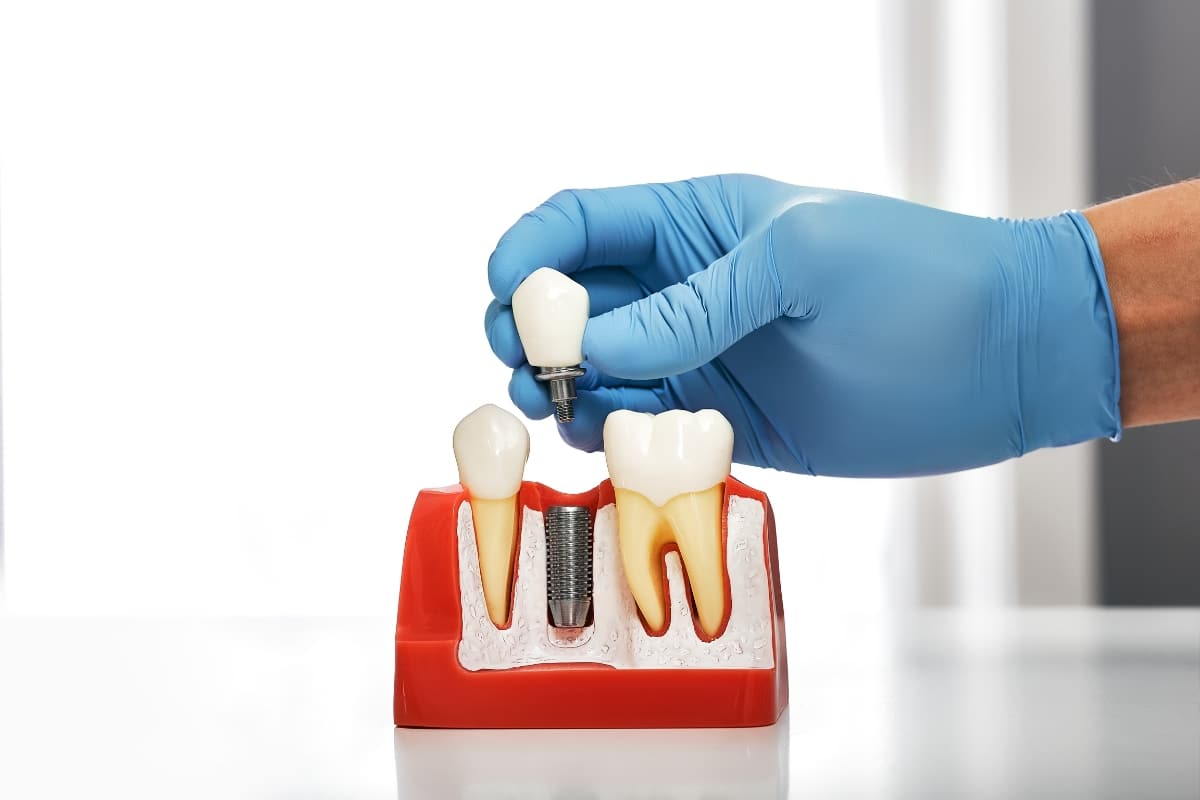
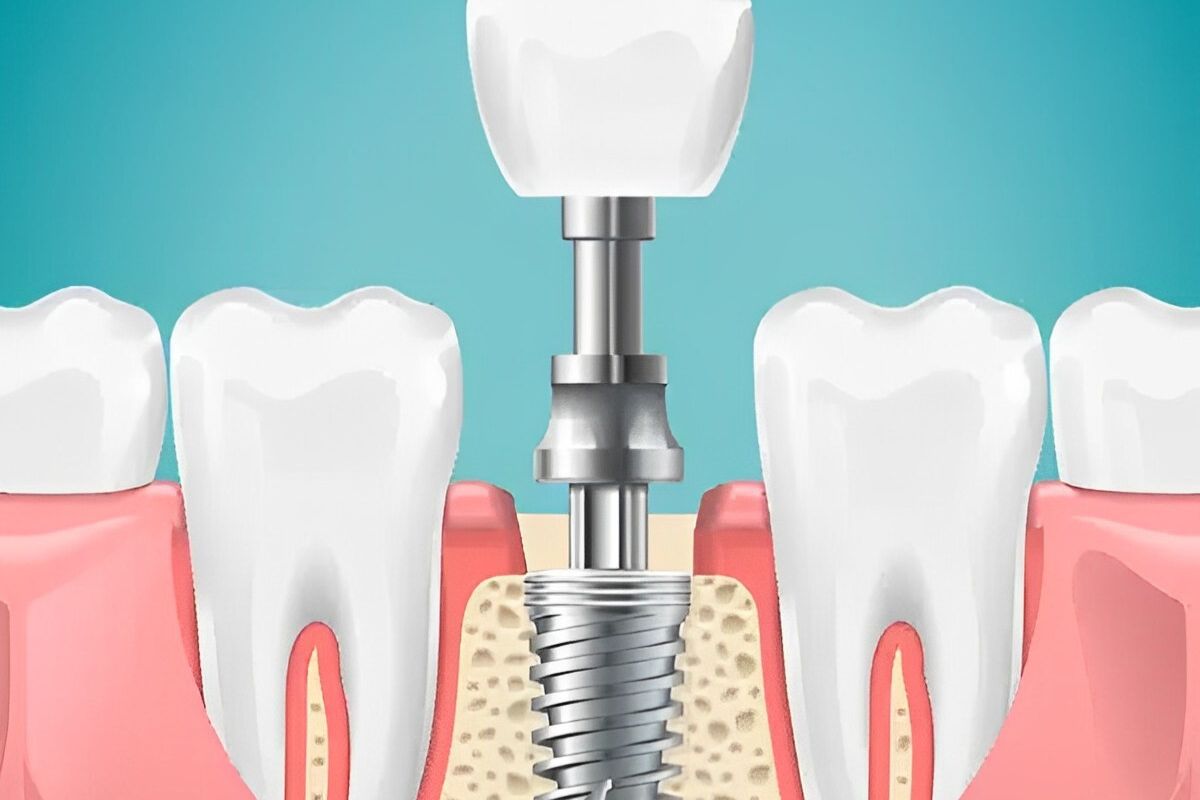
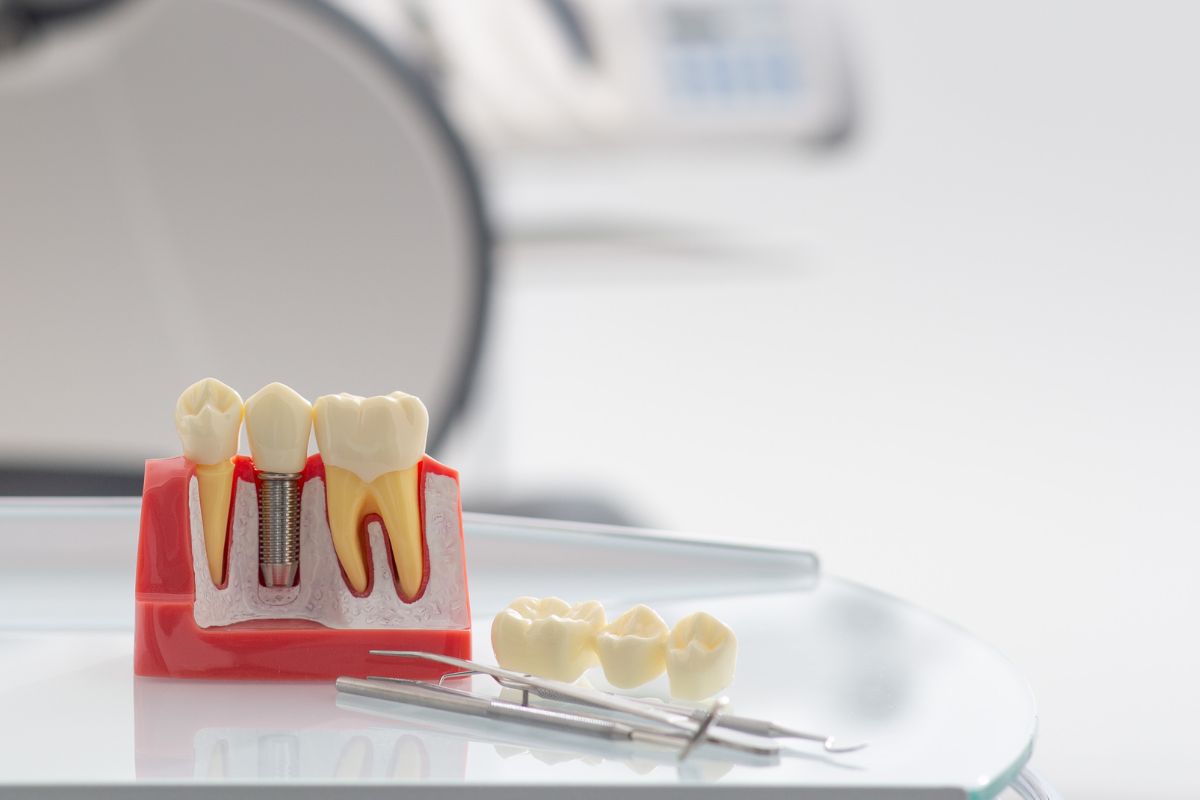
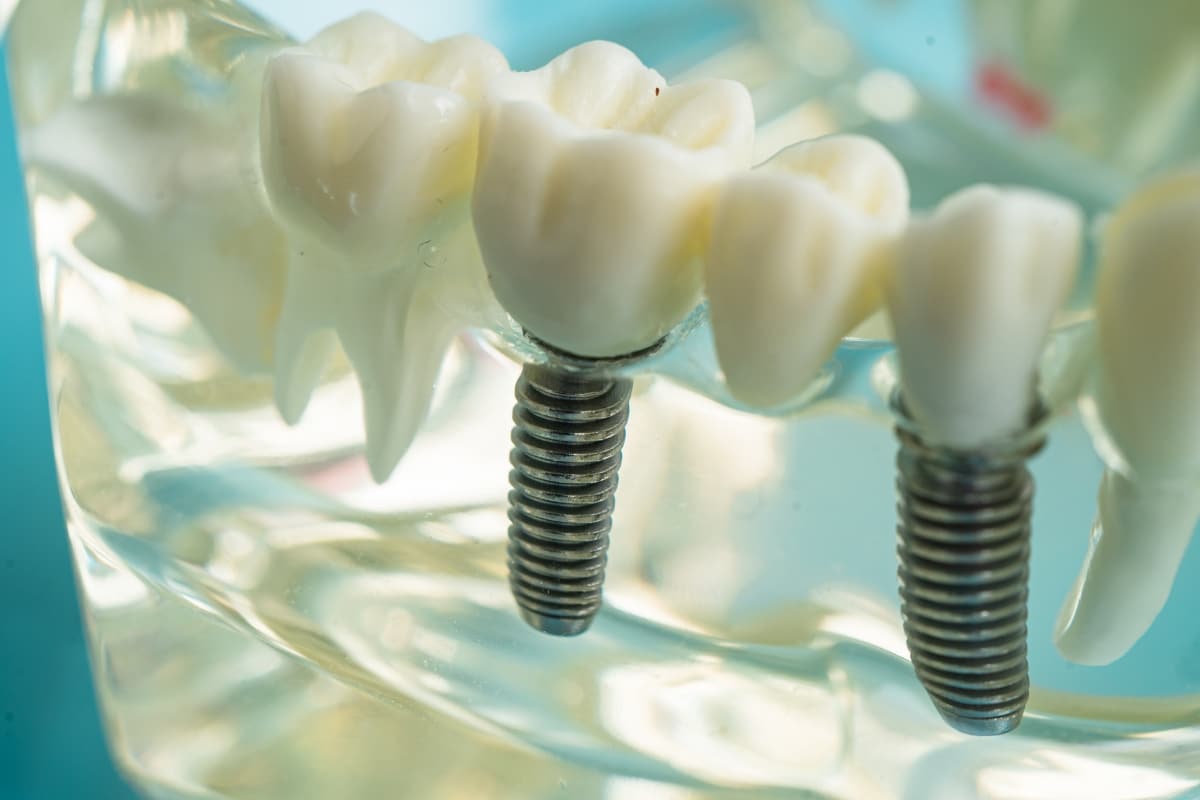
A dental implant is a small titanium post that is surgically placed into the jawbone, where it acts as an artificial tooth root. Once the implant fuses with the bone through a process called osseointegration, a custom-made crown is attached on top, giving you a replacement tooth that looks, feels, and functions like a natural one. Unlike removable dentures, dental implants are fixed in place, so there’s no worry about slipping, clicking, or discomfort while eating and speaking.
Why Missing Teeth Shouldn’t Be Ignored
It’s tempting to think of a missing tooth as a purely cosmetic issue, but the effects go much deeper. When a tooth is lost, the surrounding teeth can shift out of alignment, the jawbone in that area begins to shrink from lack of stimulation, and chewing efficiency decreases. Over time, this can lead to bite problems, further tooth loss, and even changes in facial structure. Replacing a missing tooth promptly, ideally with an implant, helps preserve bone density and prevents a cascade of additional dental issues.
The Dental Implant Process, Step by Step
Every patient’s case is a little different, but the general implant journey follows these stages:
● Consultation and Evaluation: Your dentist examines your teeth, gums, and jawbone, often using digital X-rays, to determine whether you have enough bone to support an implant and to design a tailored treatment plan.
● Implant Placement: The titanium post is placed into the jawbone during a minor surgical procedure, typically with discomfort comparable to a tooth extraction.
● Healing and Osseointegration: Over the next three to six months, the bone gradually fuses around the implant, creating a strong, stable foundation.
● Abutment and Crown Placement: Once healing is complete, a connector piece is attached, followed by a custom crown that matches your natural teeth.
While the full process can take several months from start to finish, most of that time is simply healing, and patients can typically go about their daily routines with minimal disruption.
Benefits of Choosing Dental Implants
● Long-term durability: With proper care, implants can last 20 years or longer, often a lifetime.
● Preserve jawbone health: Implants stimulate the jaw the way a natural tooth root does, preventing bone loss.
● No impact on neighboring teeth: Unlike a bridge, an implant doesn’t require grinding down adjacent healthy teeth for support.
● Natural look and feel: Implants are designed to blend seamlessly with your smile.
● Improved chewing and speech: Because implants are securely anchored, they function like natural teeth.
Am I a Good Candidate for Dental Implants?
Most healthy adults with adequate jawbone density are good candidates for dental implants. Factors your dentist will consider include:
● Overall gum health and absence of active gum disease
● Sufficient bone volume, or willingness to undergo a bone graft if needed
● General health conditions, such as uncontrolled diabetes or smoking, which can affect healing
● Commitment to good oral hygiene after the procedure
If you’re missing one tooth, several teeth, or even all of your teeth, there are implant solutions available, ranging from a single implant crown to implant-supported bridges and full-arch restorations.
What to Expect During Recovery
Most patients experience mild swelling and soreness for a few days after implant placement, which can typically be managed with over-the-counter pain relievers and a soft-food diet. Your dental team will provide specific aftercare instructions, including how to keep the surgical site clean and when to resume normal brushing and flossing around the area. Follow-up visits allow your dentist to monitor healing and ensure the implant is integrating properly.
Caring for Your Dental Implant Long-Term
Once your implant is fully restored, it requires the same daily care as your natural teeth: brushing twice a day, flossing, and regular dental checkups and cleanings. Because implants aren’t susceptible to cavities, the main focus is on maintaining healthy gums around the implant to prevent a condition called peri-implantitis, which is why routine visits to your dentist remain important.
Why Choose Potach & Mitchell Dental Clinic for Your Implants
At Potach & Mitchell Dental Clinic in Austin, MN, our experienced team, including Dr. Kurt S. Potach, Dr. Zachary Prouty, Dr. Richard L. Mitchell, and Dr. Sarah Skinner, takes a personalized approach to implant dentistry. We start with a thorough consultation to understand your goals and oral health history, use modern diagnostic technology to plan your treatment precisely, and stay with you through every phase of your implant journey. Our patients consistently tell us they appreciate the comfortable, judgment-free environment we’ve built over the years, and we’d love the opportunity to help restore your smile.
Frequently Asked Questions
1. How much do dental implants cost?
Implant cost varies depending on the number of teeth being replaced, whether a bone graft is needed, and your specific treatment plan. During your consultation, we’ll provide a clear estimate and discuss payment options.
2. Are dental implants painful?
Most patients report that the procedure is more comfortable than expected, with discomfort similar to a tooth extraction that resolves within a few days.
3. How long do dental implants last?
With good oral hygiene and regular dental visits, implants can last 20 years or more, and many last a lifetime.
4. Can I get a dental implant if I’ve been missing a tooth for years?
Yes, though if significant bone loss has occurred, a bone graft may be recommended first to create a stable foundation for the implant.
5. Does insurance cover dental implants?
Coverage varies by plan. Our team can help verify your benefits and discuss financing options to make treatment more affordable.
If you’re considering dental implants in Austin, MN, the team at Potach and Mitchell Dental Clinic is here to help you every step of the way, from your first consultation to your final restoration. Schedule your appointment today to improve your dental health.