
Missing one tooth is annoying. Missing several? That’s a whole different ballgame. Eating gets harder, talking feels off, and honestly, most people just start avoiding smiling in photos altogether. So the question comes up a lot: can dental implants actually handle more than one gap at a time? Short answer: yes. Long answer: it depends on a few things, and that’s what we’re breaking down here.
First, What Are We Even Talking About?
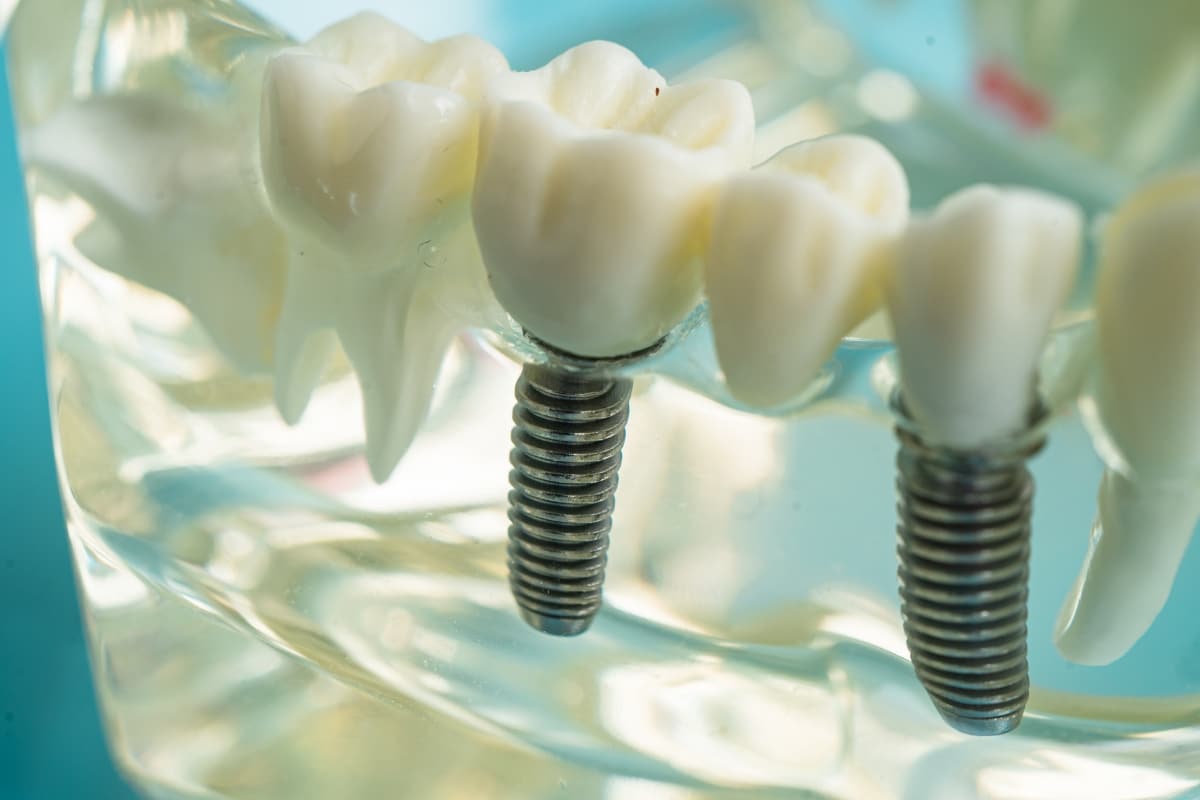
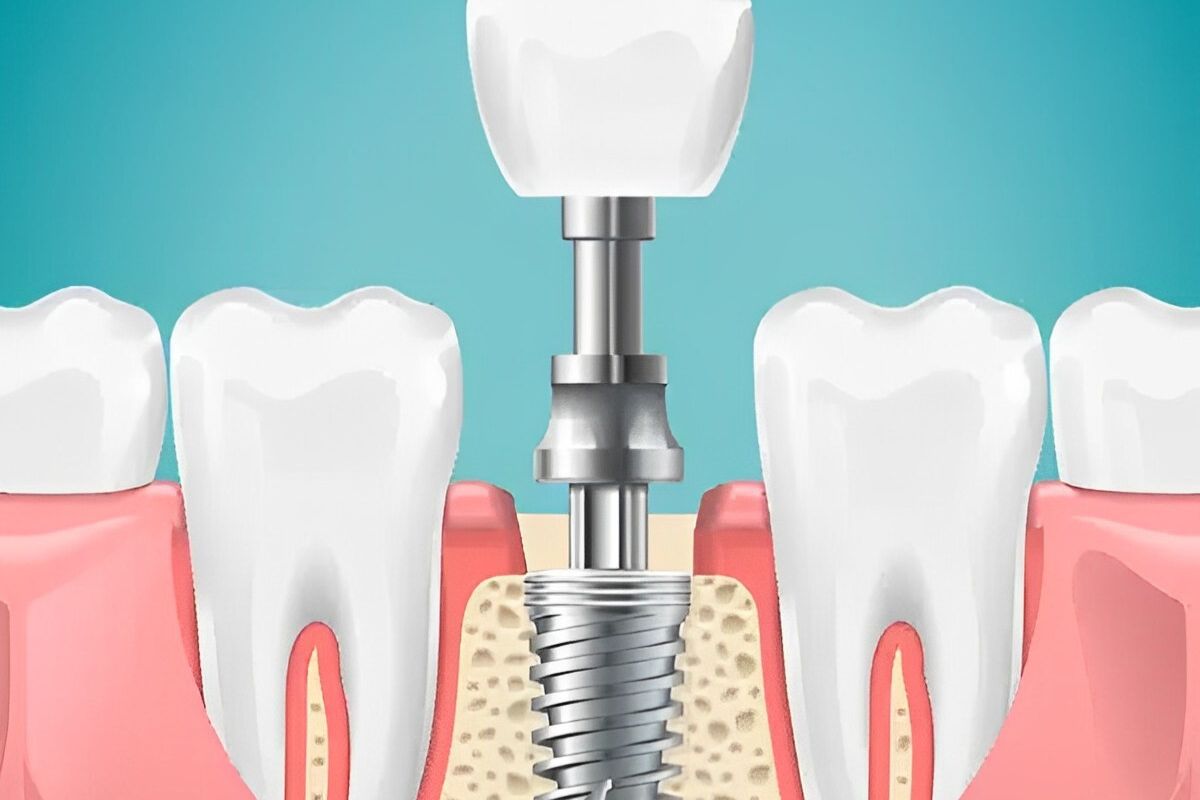
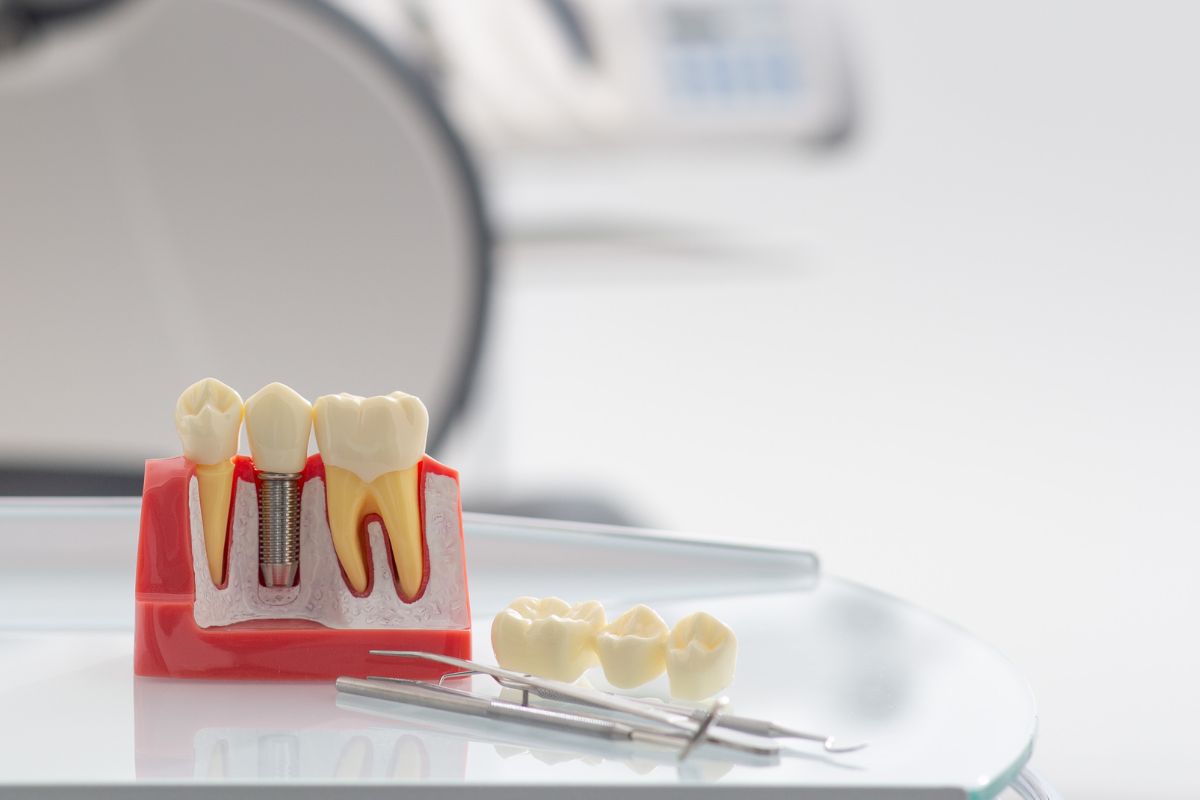
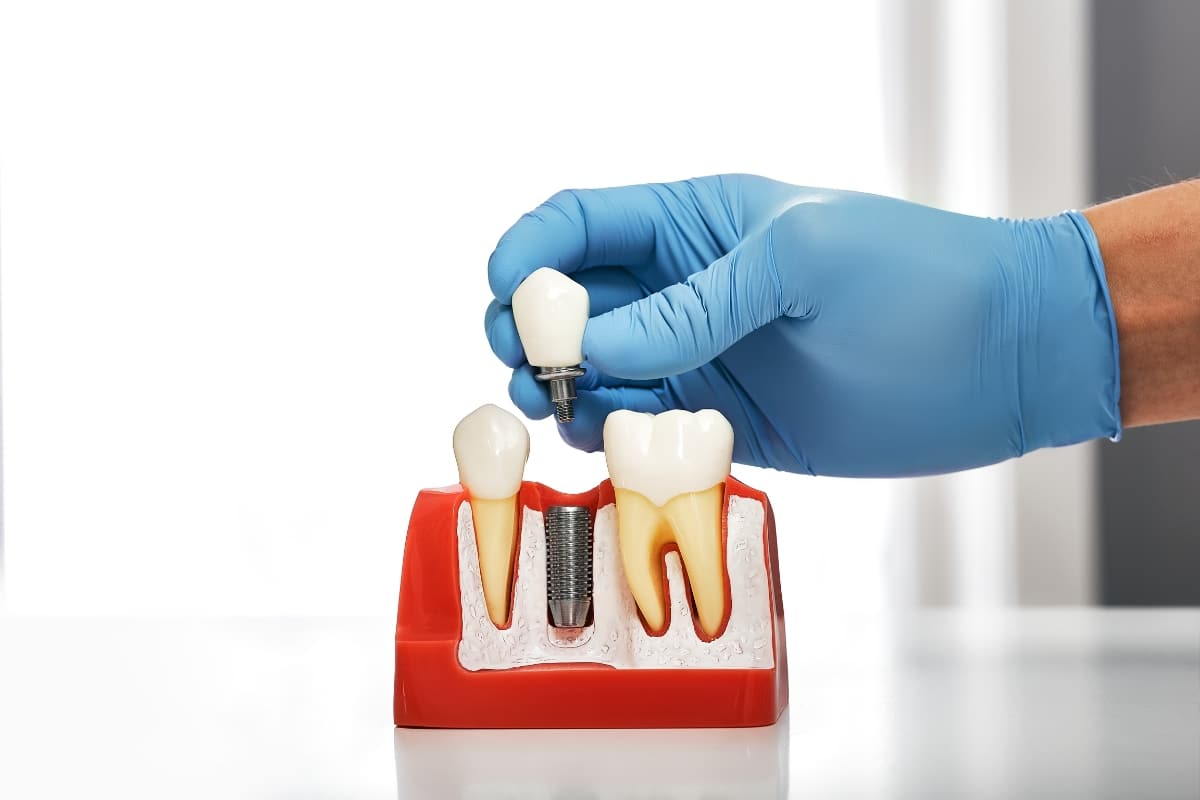
A dental implant is basically a small titanium post that gets placed into your jawbone, acting like an artificial tooth root. Once it heals and fuses with the bone (a process called osseointegration, if you want the fancy term), a crown gets attached on top. End result? Something that looks, feels, and functions like a real tooth.
Now, when you’re missing just one tooth, one implant plus one crown does the job. But multiple missing teeth change the math a bit.
Option One: Individual Implants for Each Tooth
If you’re missing several teeth scattered around your mouth, sometimes the simplest fix is placing a separate implant for each one. Sounds straightforward, right? It is, in theory. But it also means more surgery, more healing time, and a bigger bill at the end. This approach works best when the missing teeth aren’t right next to each other. Spread-out gaps usually call for spread-out solutions.
Option Two: Implant-Supported Bridges
Here’s where things get more efficient. If you’re missing a few teeth in a row, you don’t necessarily need an implant for every single gap. Instead, two implants can anchor a bridge that fills in three or four teeth at once.
Think of it like building a bridge between two solid pillars: you don’t need a pillar under every inch of the bridge, just enough support at the right points. This cuts down on the number of implants needed, which means less surgery and often a lower overall cost compared to individual implants everywhere.
Option Three: All-on-4 (or All-on-6)
Now, what if you’re missing most or all of your teeth on one arch? That’s where All-on-4 comes in, a technique where four implants (sometimes six) support an entire arch of replacement teeth. It’s become one of the more popular full-mouth solutions out there, and for good reason.
Fewer implants, faster recovery, and a full set of new teeth that function like the real thing. Pretty wild when you think about it.
Why Not Just Get Dentures Instead?
Fair question, and dentures are still a valid option for some people. But here’s the thing, traditional dentures sit on top of the gums and can slip, click, or feel loose over time. Dental implants, on the other hand, are anchored directly into the bone. No slipping. No adhesive needed. No awkward moments at dinner.
Plus, dentures don’t do much to stop bone loss in the jaw. Implants actually help preserve bone structure since they mimic natural tooth roots. That’s a big deal long-term, even if it doesn’t feel urgent right now.
Are You a Good Candidate?
Not everyone jumps straight into implant surgery on day one. Your dentist will look at a few things first, how much healthy bone you’ve got, your overall oral health, and whether you’ve got any conditions (like uncontrolled diabetes or heavy smoking habits) that could slow healing.
Don’t have enough bone? That’s not necessarily a dealbreaker. Bone grafting can often build up what’s needed before moving forward with implants.
The Process, Roughly Speaking
It’s not a one-and-done appointment; that much is clear. Here’s the general timeline:
- Consultation and imaging (X-rays, 3D scans, the works)
- Implant placement surgery
- Healing period, usually a few months for the bone to fuse properly
- Attachment of the abutment and final crown, bridge, or full arch
Total time can range from a few months to closer to a year, depending on how many teeth you’re replacing and whether bone grafting is needed. Not exactly quick, but the payoff tends to be worth it for most people.
Do Multiple Dental Implants Actually Last?
With proper care, brushing, flossing, and regular checkups, implants can last decades. Some people keep them for life. That’s a pretty solid return on investment when you compare it to dentures that often need replacing or adjusting every several years.
FAQ: Frequently Asked Questions
Q: How many implants do I need to replace multiple missing teeth?
It depends on the pattern of your missing teeth. Spread-out gaps may need individual implants, while teeth missing in a row can often be replaced with just two implants supporting a bridge.
Q: Is the surgery painful?
Most patients report mild discomfort, not sharp pain. Local anesthesia and sedation options make the actual procedure fairly manageable, and recovery discomfort is usually controlled with standard pain medication.
Q: How long does the whole process take?
Anywhere from a few months to about a year, depending on healing time, the number of teeth involved, and whether bone grafting is required beforehand.
Q: Are dental implants more expensive than dentures?
Upfront, yes, they typically cost more. Over time though, implants often work out better value-wise since they don’t need frequent replacements or relining like dentures do.
Q: Can older adults get dental implants?
Age alone isn’t usually a barrier. What matters more is bone density and overall health, which your dentist will evaluate during the consultation.
Ready to Explore Your Options?
Living with multiple missing teeth affects more than just your smile, it impacts how you eat, speak, and feel day to day. And honestly, you don’t have to just live with it.
Whether it’s individual implants, a bridge, or a full-arch solution, there’s likely an option that fits your situation. Book an appointment or visit our clinic at 607 1st Dr NW, Austin, MN 55912, and find out which path makes the most sense for your smile.