
Imagine smiling confidently after losing a tooth, only to worry if your body can keep up with the recovery. Dental implants offer a game-changing solution for tooth replacement, mimicking natural roots for a secure fit. But for millions living with diabetes, questions linger about healing timelines and risks. This guide dives deep into those concerns, empowering you with clear, science-backed steps to navigate the journey toward a stronger, healthier smile.
The Connection Between Diabetes and Oral Health Challenges
Diabetes touches every corner of your body, including your mouth. High blood sugar levels spark inflammation, weaken gums, and invite infections. These issues don’t stop at cavities or gum disease. They reach deeper, affecting how your jawbone bonds with new structures like implants.
Think about it. Your oral tissues need a steady blood flow to repair. Diabetes often restricts that flow through microvascular damage. Over time, this leads to slower tissue regeneration and higher chances of peri-implantitis—a sneaky inflammation around the implant site.
Local studies in smaller communities highlight this trend. In areas like southern Minnesota, where diabetes rates hover around 10% of adults, dentists see more cases of delayed oral healing. Yet, with smart strategies, outcomes improve dramatically.
How Diabetes Disrupts Osseointegration
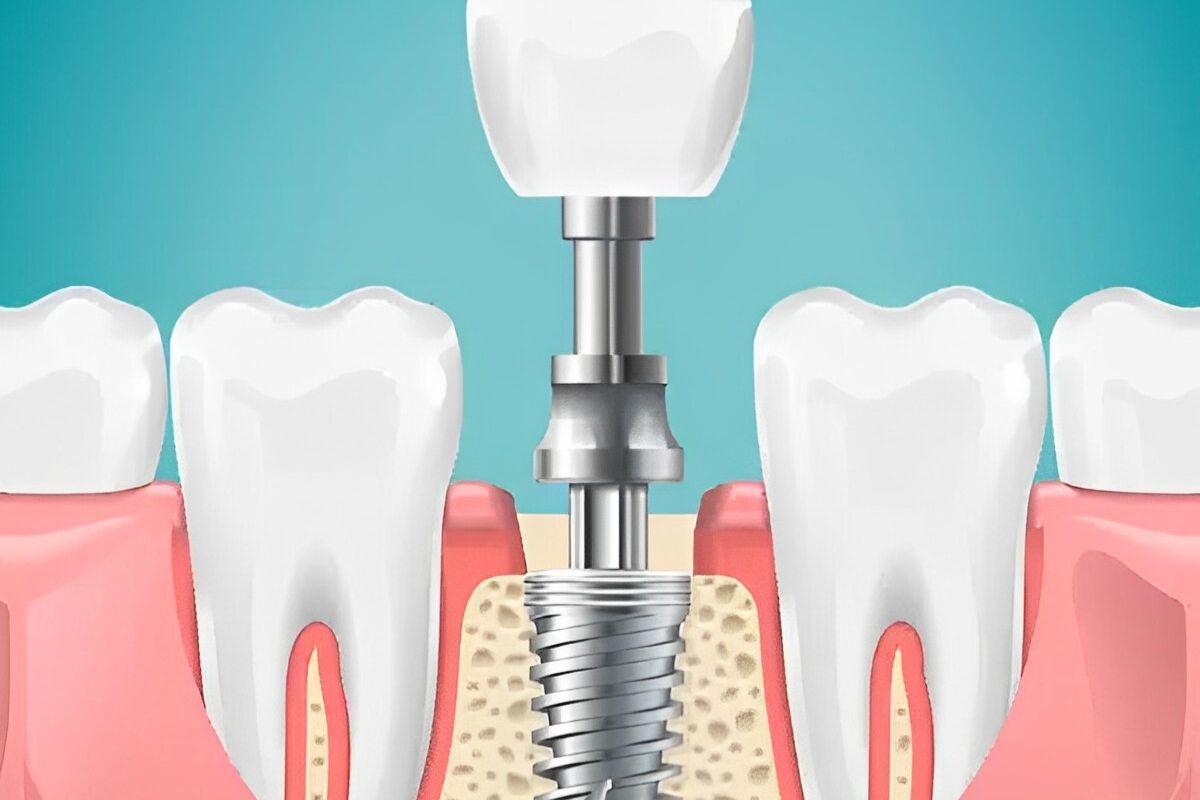
Osseointegration is the magic behind implant success. It’s when titanium posts fuse with your jawbone, creating a rock-solid base. This process relies on osteoblasts—bone-building cells—to weave around the implant.
Diabetes throws a wrench in here. Elevated glucose hampers these cells’ activity. Research shows reduced bone density and slower mineralization in diabetic models. Healing that takes 3-6 months in healthy folks can stretch to 6-9 months or longer.
Worse, poor control boosts infection odds. Bacteria thrive in high-sugar environments, turning minor surgical sites into battlegrounds. One study noted a 20% higher early failure risk in uncontrolled cases. But here’s hope: well-managed levels flip the script, matching non-diabetic rates.
Key Factors Influencing Healing in Diabetics
Several elements dictate how smoothly dental implants integrate for those with diabetes. Let’s break them down.
Glycemic Control: Your Healing Superpower
Blood sugar stability is non-negotiable. HbA1c under 7% signals control, correlating with 95% implant survival. Track it closely pre- and post-surgery. Small tweaks—like consistent meals or adjusted meds—can accelerate bone fusion.
Lifestyle Choices That Tip the Scales
Habits matter too. Quitting smoking preserves blood vessels, vital for nutrient delivery to the site. A balanced diet rich in calcium and vitamin D fuels bone health. Even gentle exercise boosts circulation, hastening recovery.
Dry mouth, a diabetes side effect, dries out tissues. Stay hydrated and use saliva substitutes to protect the area.
Implant Success Rates: Insights from the Data
Numbers tell a compelling story. While overall implant success hits 95-98% in healthy patients, diabetes shifts the landscape. Controlled cases shine, but uncontrolled ones falter.
Here’s a quick stats overview:
| Patient Group | 1-Year Success Rate | 5-Year Success Rate | Key Factor Noted |
|---|---|---|---|
| Non-Diabetic | 97% | 95% | Standard healing |
| Controlled Diabetes (HbA1c <7%) | 94% | 92% | Good glycemic management |
| Uncontrolled Diabetes (HbA1c >8%) | 82% | 75% | Delayed osseointegration |
These figures, drawn from meta-analyses of over 5,000 implants, underscore control’s power. Early monitoring slashes failures by 15-20%. In practice, this means fewer revisions and longer-lasting results.
Practical Tips for Optimal Healing
Ready to boost your odds? Start with pre-op prep. Get a full health check, including recent A1c tests. Discuss meds with your doctor—some, like metformin, aid bone formation.
Post-surgery, prioritize oral hygiene. Soft brushes and antimicrobial rinses ward off plaque. Avoid hard foods in the first weeks to let fusion happen undisturbed.
Follow-ups are key. Weekly checks catch issues early. If swelling lingers, it might signal glucose spikes—adjust promptly.
For those dealing with shifting prosthetics, exploring options to fix loose dentures can bridge gaps until implants settle. This interim step maintains function without stressing healing sites.
Addressing Common Concerns in Austin’s Dental Scene
Living with diabetes in a tight-knit place like Austin means personalized care feels close. Local practices emphasize integrated approaches, blending endocrinology insights with implant expertise. Patients here often report smoother recoveries when teams coordinate.
If blood sugar wavers, don’t delay tweaks. Simple logs track patterns, guiding adjustments for faster osseointegration.
Trending FAQs on Diabetes and Dental Implant Healing
Curious about what others ask? Based on popular Google searches, here’s a roundup of top questions with straightforward answers:
- Can people with diabetes get dental implants? Yes, absolutely. With controlled blood sugar, success rates rival healthy patients. Uncontrolled cases need extra planning, but implants remain viable.
- Does diabetes lower dental implant success rates? It can, if unmanaged. Studies show a 5-10% drop in uncontrolled diabetes due to healing delays. Glycemic stability keeps rates above 90%.
- How long does implant healing take with diabetes? Typically 4-8 months, versus 3-6 in non-diabetics. Factors like HbA1c influence this—aim low for quicker fusion.
- What precautions should diabetics take for implants? Monitor glucose daily, quit smoking, and maintain hygiene. Coordinate with your physician for medication timing around surgery.
- Is type 1 or type 2 diabetes worse for implants? Type 2 often fares better with lifestyle tweaks. Type 1 requires tighter insulin control, but both succeed with vigilance.
These insights reflect real searches, helping you feel prepared.
If you are searching for a dentist in Austin, MN, look for one who specializes in complex cases like these. Their tailored plans can make all the difference, ensuring your implants thrive despite diabetes hurdles.
Diabetes doesn’t have to dim your smile’s future. By mastering glycemic control and teaming up with experts, you reclaim confidence in every bite and laugh. Take that first step today—your radiant grin awaits.
Ready to explore dental implants in Austin, MN? Call 507-437-6312 to schedule an appointment and start healing strong.