

Have you ever felt frustrated when your dentures slip during a meal or conversation? Many people face this issue after years of wear. Loose dentures can disrupt daily life, making simple tasks like eating or speaking a challenge. The good news is solutions exist to restore stability and confidence. In this post, we’ll explore how modern dental options can anchor dentures securely. You’ll learn about the process, benefits, and care tips. By the end, you’ll have clear insights to make informed choices for your smile.
Understanding Why Dentures Become Loose
Dentures often start fitting well but loosen over time. This happens due to natural changes in the mouth. Jawbone resorption is a key factor. When teeth are missing, the bone lacks stimulation. It begins to shrink gradually. Gums recede too, altering the fit.
Daily habits play a role. Chewing tough foods wears down dentures. Poor cleaning leads to buildup, affecting grip. Weight changes impact facial structure, loosening the hold.
Emotional tolls add up. Slipping dentures cause embarrassment in social settings. They limit food choices, affecting nutrition. Recognizing these signs early helps. If dentures move often, it’s time to seek options.
How Dental Implants Work as Anchors
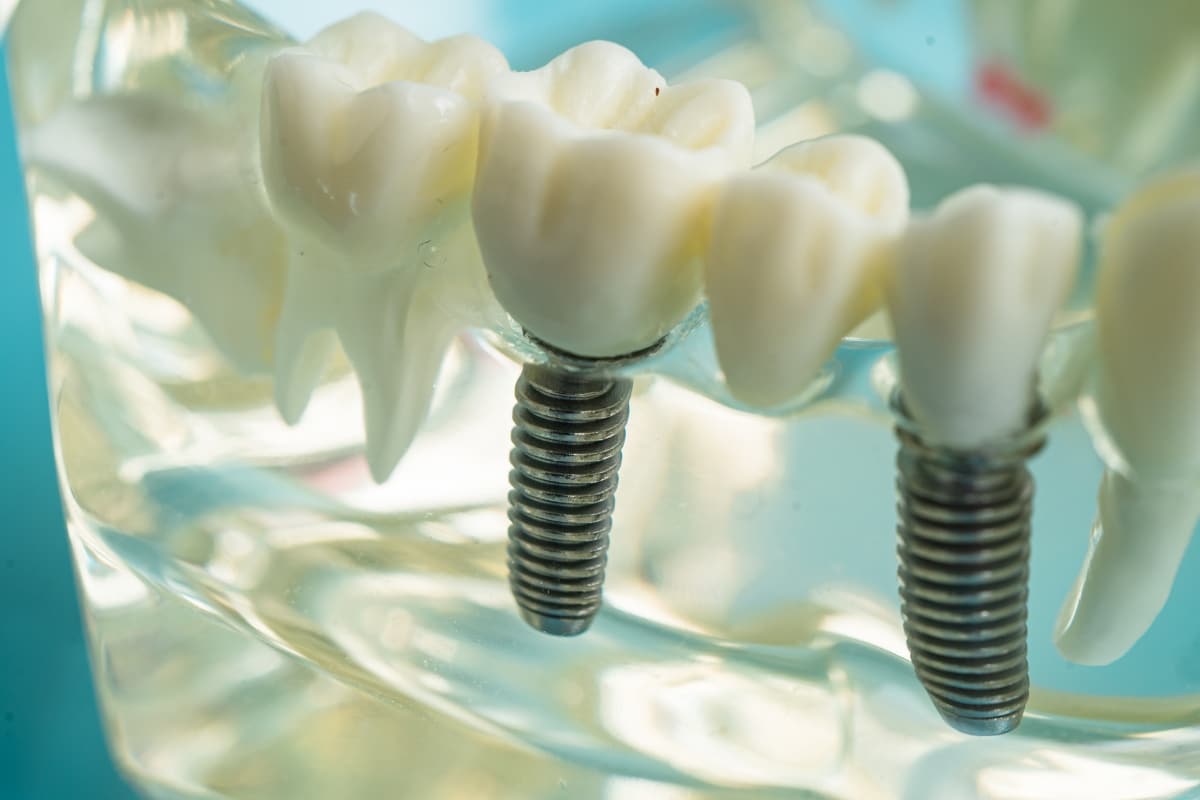
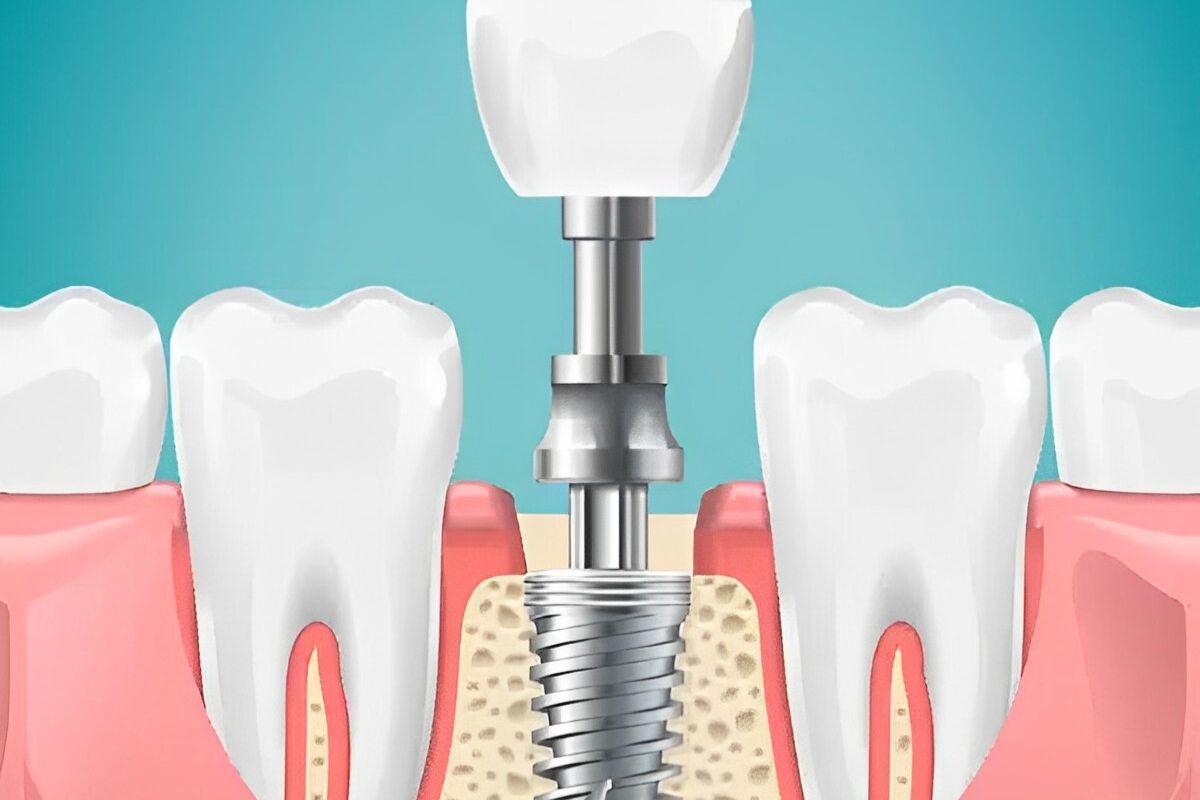
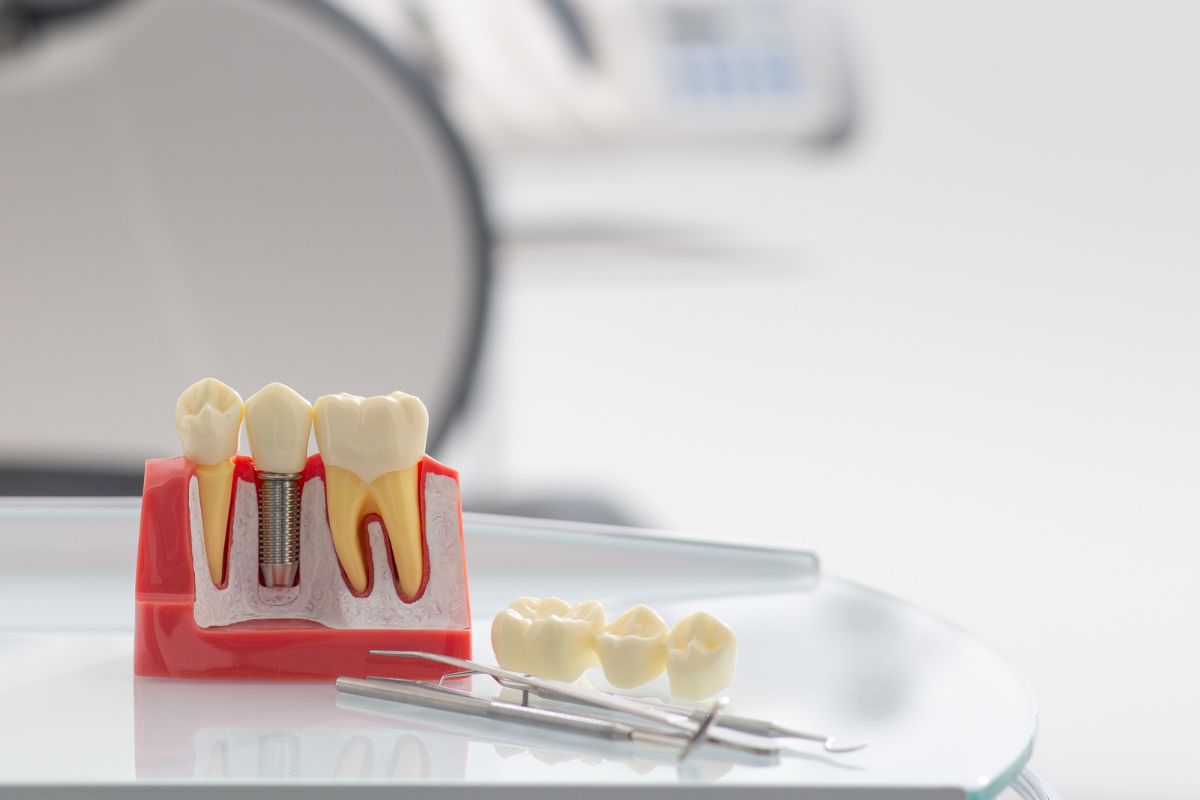
Dental implants act like artificial roots. Made from biocompatible titanium, they fuse with the jawbone. This process, called osseointegration, creates a strong base.
For dentures, implants provide secure attachment points. Surgeons place posts strategically in the jaw. After healing, connectors snap dentures in place. This setup prevents shifting.
Types vary based on needs. Bar-retained options use a metal bar for support. Ball-retained use socket-like fittings. Both ensure stability without adhesives.
Patients report better function. Eating becomes easier. Speech improves. Implants also stimulate bone, halting further loss.
The Procedure: What to Expect Step by Step
First, a thorough evaluation occurs. Dentists assess jawbone health using X-rays. They check for sufficient density.
If needed, bone grafting builds up the area. This step ensures implants integrate well.
Surgery follows under local anesthesia. Posts insert into the jaw. Healing takes several months. Temporary dentures maintain function during this phase.
Once fused, abutments attach to posts. Custom dentures fit over them. Adjustments fine-tune the bite.
Recovery involves mild discomfort. Swelling subsides quickly. Follow-up visits monitor progress.
Benefits of Implant-Secured Dentures Over Traditional Ones
Traditional dentures rely on suction or adhesives. They often slip, causing irritation. Implant-secured versions stay put firmly.
Comfort rises significantly. No sore spots from rubbing. Natural feel enhances confidence.
Nutrition improves too. Chew diverse foods without worry. This supports overall health.
Longevity stands out. Implants last decades with care. They preserve facial structure, preventing a sunken look.
Studies show high satisfaction. Many users regain youthful smiles. Daily life feels normal again.
| Benefit | Traditional Dentures | Implant-Secured Dentures |
|---|---|---|
| Stability | Prone to slipping | Firmly anchored |
| Comfort | Can cause sores | Reduced irritation |
| Bone Preservation | Leads to loss | Prevents resorption |
| Eating Ease | Limited foods | Full range possible |
| Longevity | 5-7 years | 15+ years |
Maintenance and Care for Long-Lasting Results
Proper care keeps implants thriving. Brush dentures daily with soft tools. Soak them overnight in cleanser.
Clean around implants gently. Use floss or interdental brushes. Avoid aggressive dental hygiene methods that could damage tissues.
Regular checkups matter. Dentists spot issues early. Professional cleanings remove plaque buildup.
Lifestyle choices help. Quit smoking to aid healing. Eat balanced meals for bone strength.
With diligence, complications stay rare. Implants remain reliable anchors.
Addressing Common Concerns and Myths
- Many worry about pain during placement. Modern techniques minimize discomfort. Sedation options ease anxiety.
- Age isn’t a barrier. Healthy adults qualify regardless of years. Medical conditions get reviewed case by case.
- Healing time varies. Most integrate in 3-6 months. Patience yields rewarding outcomes.
- Myths persist about rejection. Titanium rarely causes issues. Success rates exceed 95%.
- Concerns over appearance fade. Final results look natural. Blends seamlessly with existing features.
Trending FAQs on Dental Implants and Loose Dentures
Here are some frequently asked questions based on what people often search on Google about this topic:
- Can you put dental implants in with dentures? Yes, implants can support existing or new dentures. They attach via special fittings for added security.
- How many dental implants are needed for snap-on dentures? Typically, 2-4 implants suffice for lower dentures. Upper ones may need 4-6 for optimal hold.
- What holds dentures in place with implants? Connectors like bars or ball attachments link dentures to implants. This creates a snap-fit mechanism.
- Are implant-supported dentures permanent? They are removable for cleaning but feel permanent when worn. Implants themselves fuse long-term.
- Why do dentures loosen over time? Bone loss from missing teeth roots causes shrinkage. Implants counteract this by providing stimulation.
Who Is a Good Candidate for This Solution?
- Ideal candidates have healthy gums. Sufficient jawbone supports placement. Non-smokers heal faster.
- Those tired of loose dentures benefit most. If traditional options fail, implants offer relief.
- Consultations reveal suitability. Dentists discuss medical history. They outline personalized plans.
- Even with prior bone loss, grafts make it possible. Commitment to care ensures success.
In places like dental implants in Austin, MN, access to skilled providers simplifies the journey. Local experts guide through each phase.
Potential Risks and How to Minimize Them
- Risks include infection at sites. Antibiotics prevent this post-surgery.
- Implant failure happens rarely. Proper placement reduces odds.
- Nerve issues are uncommon. Precise imaging avoids them.
- Minimize by choosing experienced professionals. Follow aftercare strictly. Report unusual symptoms promptly.
- Healthy habits bolster outcomes. Balanced diets aid recovery. Avoid hard foods initially.
Living with secured dentures transforms routines. Smiles return brighter. Confidence soars in interactions. If you are searching for “dental implants near you,” reach out today. Call 507-437-6312 to schedule an appointment and discuss your options. Your path to a stable smile starts now.