
Missing a tooth can affect your confidence and oral health. Dental implants offer a long-lasting solution, but many worry about the pain involved. Let’s explore what to expect during the dental implant process, addressing common concerns with clear, expert insights to ease your mind and help you make an informed decision.
What Are Dental Implants?
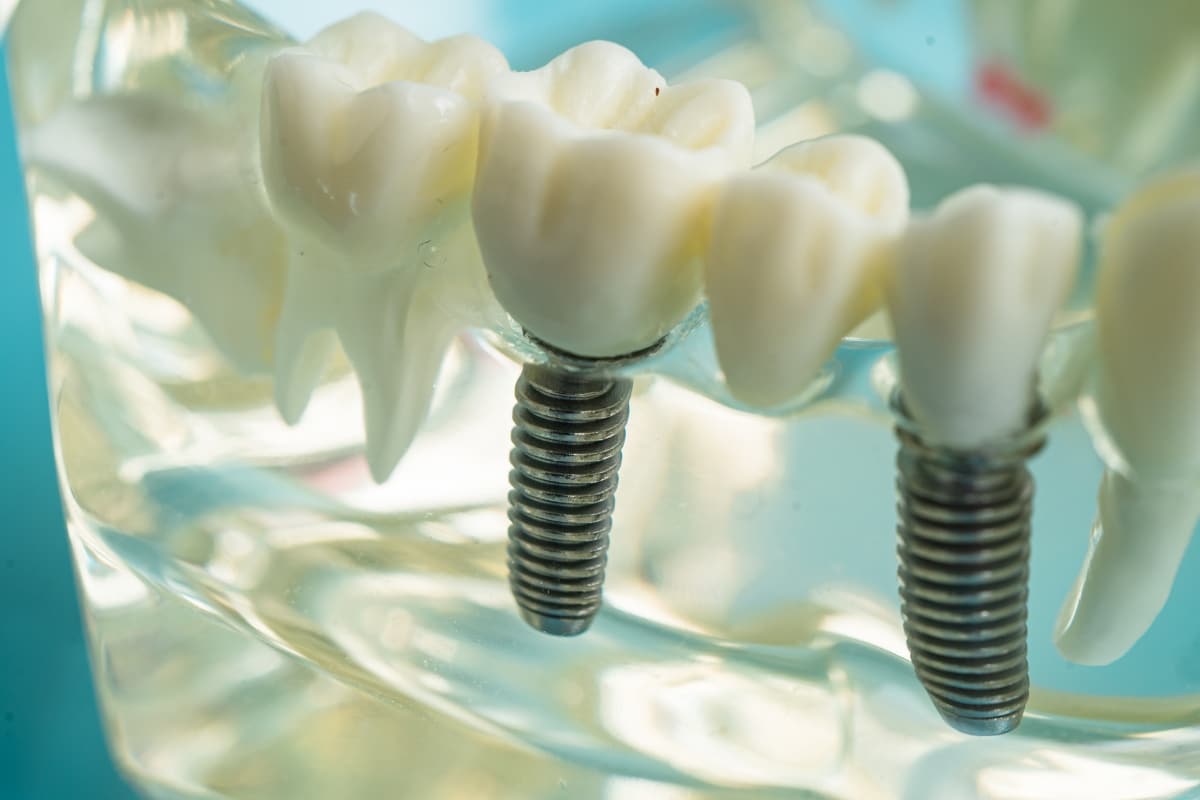
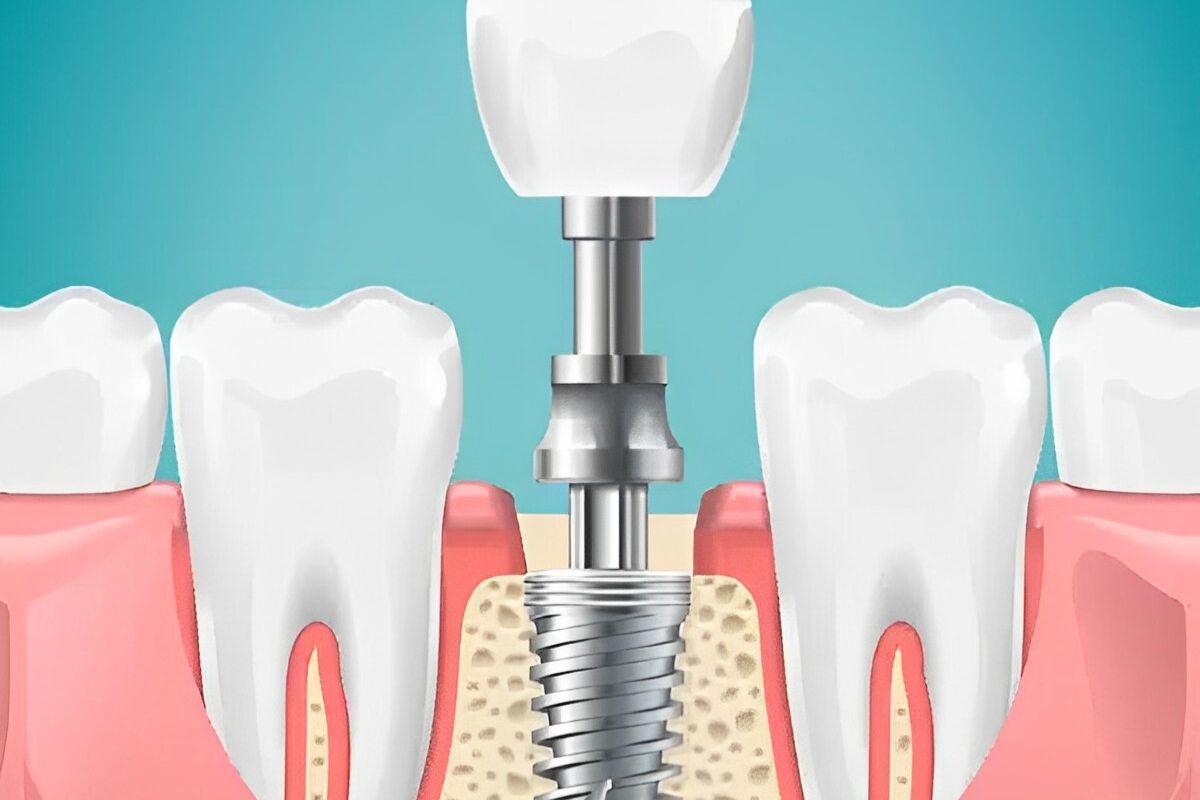
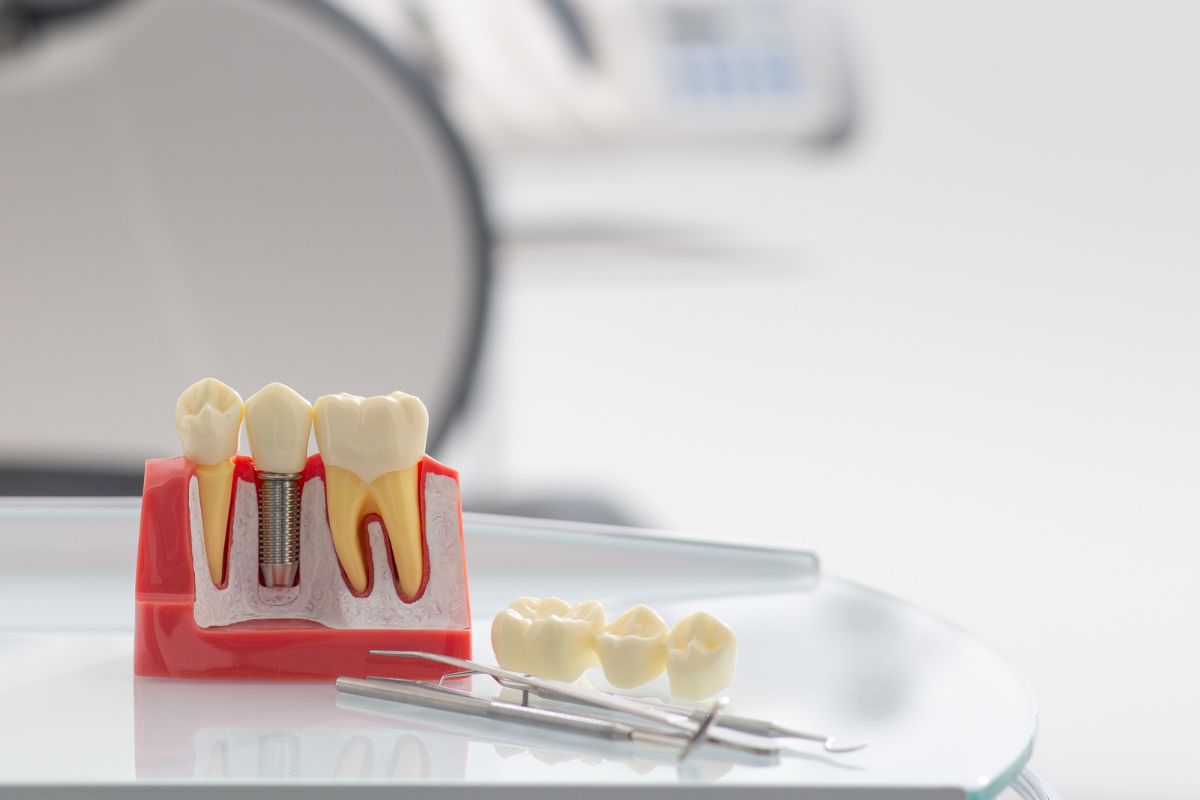
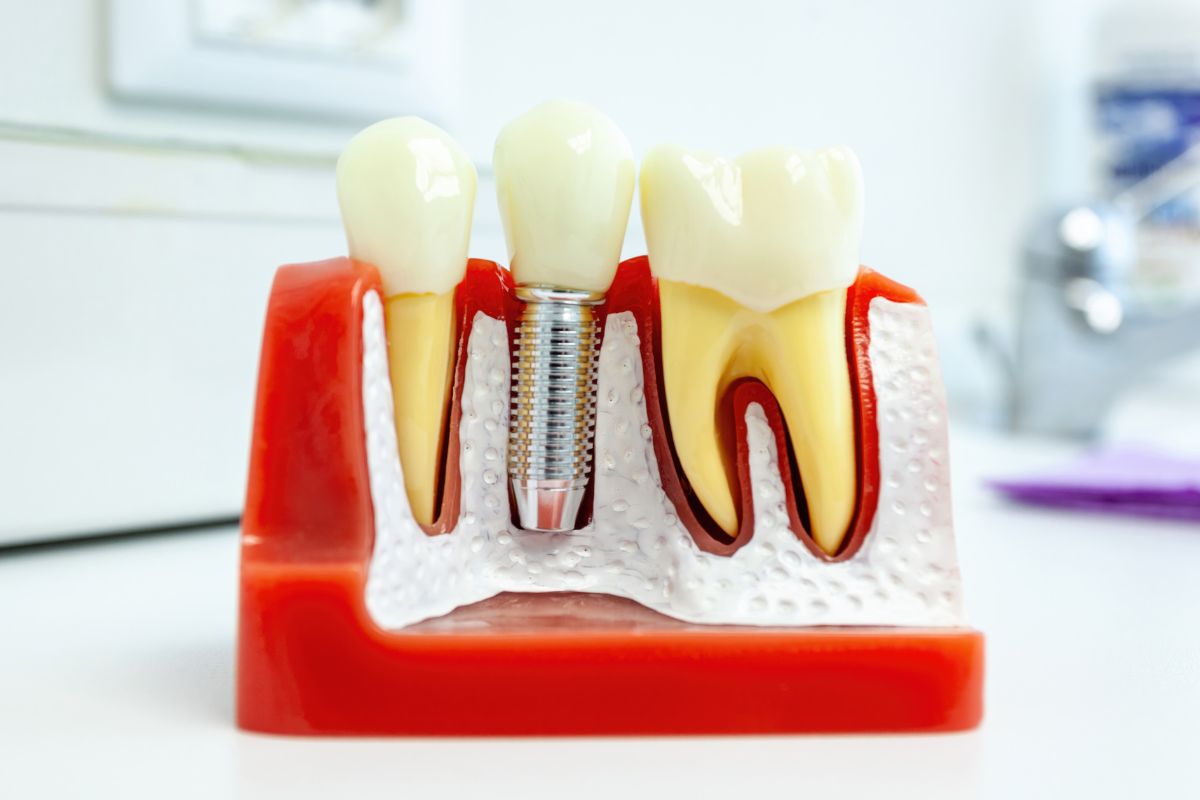
Dental implants are titanium posts surgically placed in the jawbone to act as artificial tooth roots. They support crowns, bridges, or dentures, providing a stable, natural-looking replacement for missing teeth. Unlike traditional options, implants don’t rely on neighboring teeth, preserving your oral structure. Advanced technologies, like 3D CT scanning and computer-guided surgery, ensure precise placement for optimal comfort and durability.
Does Getting a Dental Implant Hurt?
The idea of surgery can sound daunting, but dental implant procedures are designed with patient comfort in mind. During the surgery, local anesthesia numbs the area, so you shouldn’t feel pain. Some patients report mild pressure or vibrations, but these sensations are manageable. For those with dental anxiety, sedation options can make the experience even more comfortable.
Post-Procedure Discomfort: What to Expect
After the anesthesia wears off, some discomfort is normal. You might feel mild to moderate soreness near the implant site, similar to a toothache. Swelling or bruising around the gums and jaw may occur, along with slight stiffness. These symptoms typically peak within 48 hours and subside within 3 to 5 days. Over-the-counter pain relievers, like ibuprofen, often manage the discomfort effectively.
Recovery Timeline and Pain Management
Recovery from dental implants in Austin, MN, varies by individual but generally follows a predictable timeline. Most patients resume normal activities within a day or two, though full healing, including bone integration with the implant, takes several months. To minimize discomfort:
- Follow your dentist’s post-op care instructions, such as avoiding hard or hot foods.
- Use prescribed or OTC pain medications as directed.
- Apply ice packs to reduce swelling in the first 24–48 hours.
- Maintain good oral hygiene to prevent infection.
Sticking to these steps ensures a smoother recovery and reduces the risk of complications.
Factors That Influence Pain Levels
Several factors affect how much discomfort you might experience:
- Individual Pain Tolerance: Everyone’s pain threshold differs. Some feel minimal discomfort, while others may need more pain management.
- Procedure Complexity: Single-tooth implants are less invasive than procedures like All-on-4, which involve multiple implants.
- Bone Health: If bone grafting is needed due to insufficient jawbone density, recovery may involve slightly more discomfort.
- Dentist’s Expertise: A skilled dentist in Austin, MN, using advanced tools like digital implant planning, can minimize trauma to surrounding tissues, reducing pain.
Choosing an experienced professional ensures a precise procedure, which can significantly lower discomfort.
Potential Complications and When to Seek Help
While rare, complications can increase discomfort. Contact your dentist immediately if you experience:
- Persistent or worsening pain after 5 days.
- Excessive swelling, bleeding, or pus.
- A loose or shifting implant.
- Signs of infection, like fever or foul taste.
These could indicate issues like implant failure or infection, which require prompt attention to protect your oral health. Regular check-ups help catch problems early.
Trending FAQs on Dental Implant Pain
Here are answers to frequently asked questions about dental implant pain, based on what people commonly search for:
- Is dental implant surgery painful?
No, the procedure itself is painless due to anesthesia. You may feel mild pressure, but discomfort is minimal. - How long does pain last after a dental implant?
Pain typically lasts 3–5 days and can be managed with medication. Swelling and stiffness may persist for 7–10 days. - Can I eat normally after getting an implant?
Stick to soft foods for a few days post-surgery. Avoid hard, crunchy, or hot foods to prevent irritation. - What if my implant feels loose?
A loose implant is uncommon but serious. Contact your dentist immediately, as it may indicate bone integration issues. - Does sedation make the procedure less painful?
Sedation can reduce anxiety and awareness during surgery, enhancing comfort, especially for complex cases.
How Technology Reduces Discomfort
Modern dentistry has transformed the implant experience. Techniques like air abrasion can remove decay with minimal invasiveness, often eliminating the need for drills. Digital tools, such as intraoral cameras and 3D cone beam scanners, allow for precise planning, reducing surgical trauma. For example, computer-guided surgery ensures implants are placed accurately, minimizing tissue damage and speeding up recovery.
Table: Typical Recovery Symptoms and Duration
| Symptom | Duration | Management Tips |
|---|---|---|
| Pain/Soreness | 3–5 days | OTC pain relievers, follow dentist’s advice |
| Swelling | 7–10 days | Ice packs, keep head elevated |
| Bruising | 7–10 days | Ice packs, avoid strenuous activity |
| Jaw Stiffness | 5–7 days | Gentle jaw exercises, soft diet |
| Bone Integration | 3–6 months | Regular check-ups, good oral hygiene |
This table provides a quick reference for what to expect and how to manage symptoms effectively.
Tips to Minimize Pain and Ensure Success
To make your implant journey as comfortable as possible:
- Choose a Skilled Professional: Opt for a dentist with expertise in implantology and advanced technology for precise, less invasive procedures.
- Follow Pre- and Post-Op Instructions: Avoid smoking or alcohol, as they can delay healing and increase discomfort.
- Maintain Oral Hygiene: Brush and floss gently around the implant site to prevent infection.
- Attend Follow-Up Visits: Regular check-ups ensure the implant is integrating properly and catch issues early.
These steps enhance comfort and support long-term implant success.
Why Dental Implants Are Worth It
Despite concerns about pain, dental implants offer unmatched benefits. They restore chewing function, improve speech, and boost confidence with a natural-looking smile. Unlike dentures, implants are stable and don’t slip, providing comfort and reliability. With proper care, they can last a lifetime, making them a valuable investment in your oral health.
Take the First Step Toward a Confident Smile
If you’re considering dental implants, rest assured that modern techniques and expert care make the process manageable and worthwhile. Pain is typically minimal and short-lived, with advanced technology ensuring a smooth experience. If you are searching for a dentist in Austin, MN, call 507-437-6312 to schedule an appointment with Smiles By Design – Hewlett. Our team is here to guide you toward a healthier, more confident smile.