
Root canals often come with a mix of relief and apprehension. You’ve finally addressed that nagging tooth pain, but now you’re feeling discomfort after the procedure. Is this normal? If you’re wondering about post-root canal pain, you’re not alone. This blog dives into what to expect after a root canal, why pain might occur, and how to manage it. We’ll also answer common questions to help you feel confident about your recovery and next steps. Let’s explore what’s normal and when you should seek help.
Understanding Root Canal Treatment
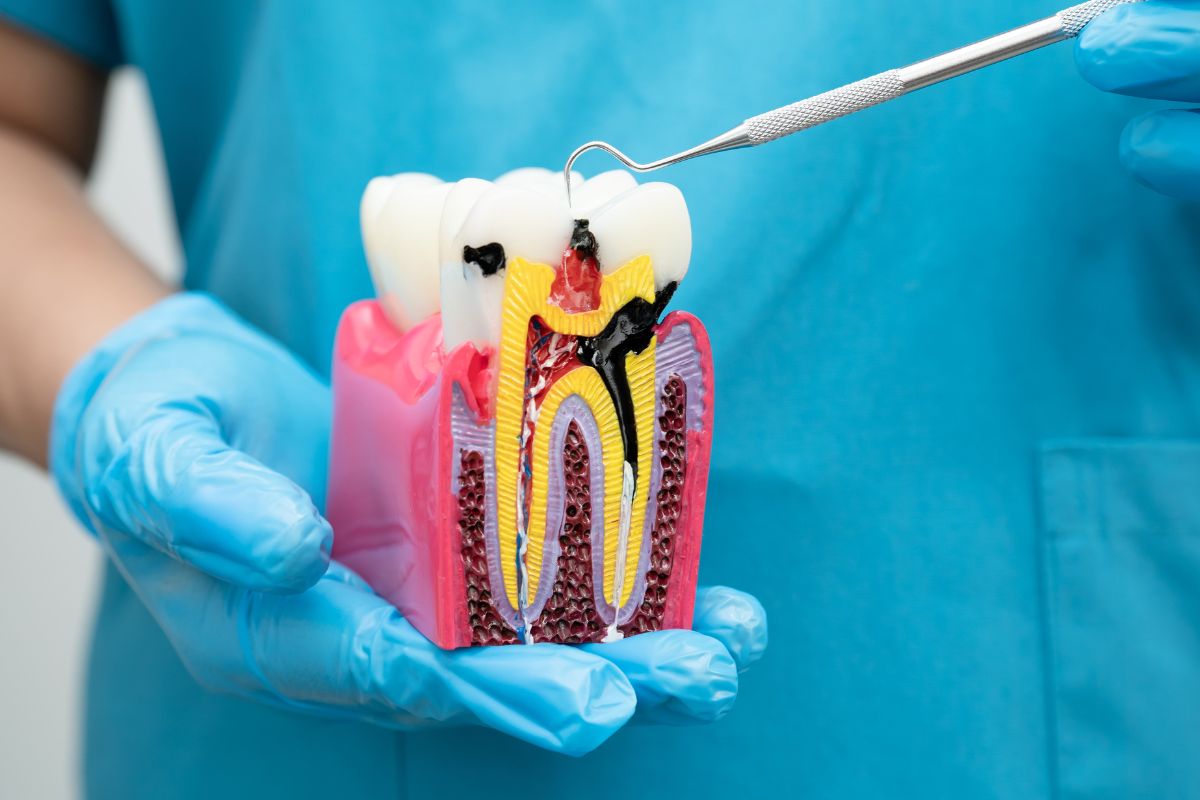
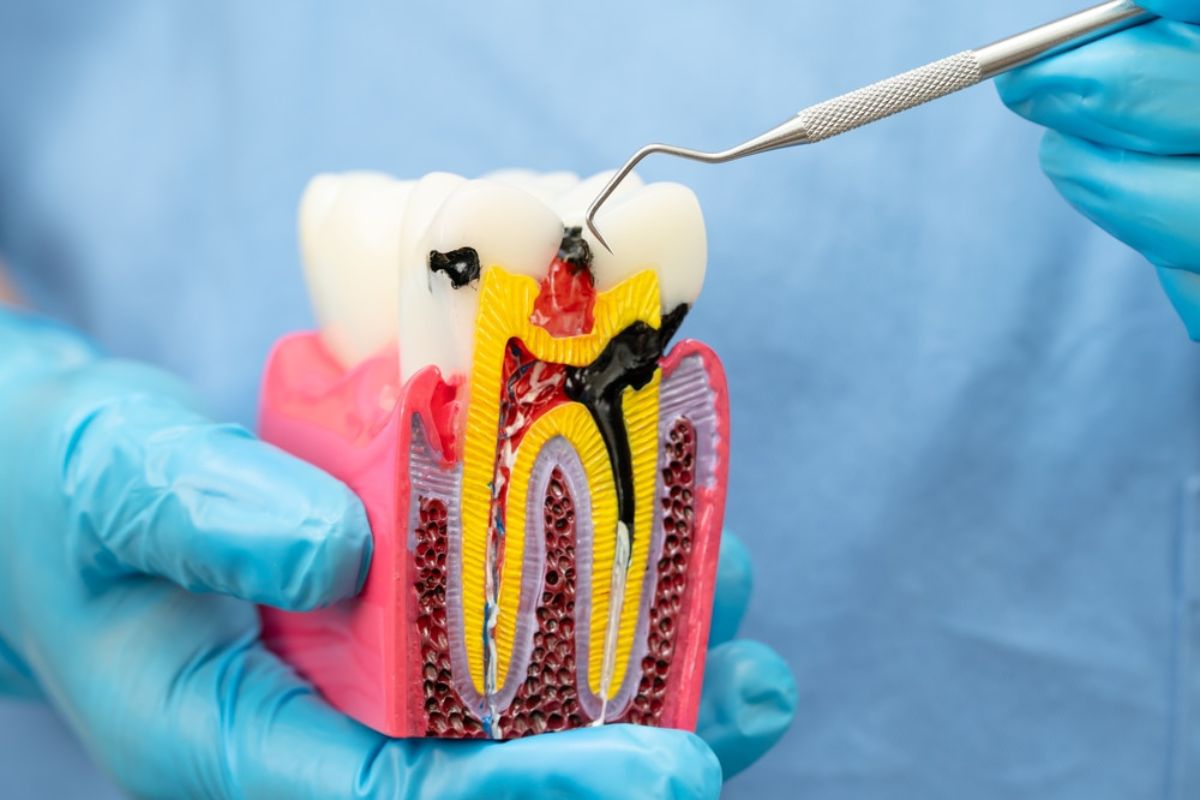
A root canal is a dental procedure to save a tooth that’s severely infected or damaged. The dentist removes the infected pulp—the soft tissue inside the tooth—cleans the area, and seals it to prevent further infection. This treatment often relieves the intense pain caused by the infection, such as throbbing or sensitivity to hot and cold. According to the American Association of Endodontists, over 15 million root canals are performed annually in the U.S., with a success rate of about 95%. While the procedure is highly effective, some discomfort afterward is common as your body heals.
Why Pain Occurs After a Root Canal
Experiencing pain after a root canal can be unsettling, but it’s often a normal part of the healing process. Here’s why it happens:
- Inflammation: The tissues around the tooth may become inflamed due to the procedure. This can cause mild soreness or sensitivity.
- Lingering Infection: If some bacteria remain, you might feel discomfort until the infection fully clears.
- Tissue Irritation: The cleaning and shaping of the root canals can irritate surrounding nerves and gums.
- Bite Adjustment: After the procedure, your bite might feel off, leading to pressure and discomfort when chewing.
Typically, this pain is mild and lasts a few days to a week. It often feels like a dull ache or slight sensitivity, especially when eating or brushing.
Is Post-Root Canal Pain Normal?
Yes, mild pain after a root canal is normal. The procedure involves working on sensitive areas of your tooth and surrounding tissues, so your body needs time to heal. For most people, discomfort peaks within the first 48 hours and gradually subsides. Over-the-counter pain relievers like ibuprofen or acetaminophen can help manage it. Applying a cold compress to the outside of your cheek can also reduce swelling and numbness. However, severe or prolonged pain isn’t typical and may signal an issue. Let’s look at what’s normal versus what’s concerning.
Normal vs. Concerning Pain: What to Watch For
Understanding the difference between expected discomfort and a potential problem is key. Here’s a breakdown:
Normal Pain
- Mild to moderate soreness for 3-7 days.
- Sensitivity when chewing or touching the tooth.
- Slight swelling around the gums.
Concerning Pain
- Severe pain that worsens over time.
- Swelling that spreads to your face or neck.
- Fever, pus, or a bad taste in your mouth.
If you experience any concerning symptoms, contact your dentist right away. These could indicate an infection, an issue with the root canal, or a rare complication like a cracked tooth. For those in Minnesota, seeking root canal therapy in Austin, MN, can connect you with experienced professionals who can address these issues promptly.
How to Manage Pain After a Root Canal
Managing post-root canal discomfort is straightforward with the right steps. Here are some practical tips:
- Take Pain Relievers: Use over-the-counter medications as recommended by your dentist to ease soreness.
- Eat Soft Foods: Stick to yogurt, mashed potatoes, or soup for a few days to avoid irritating the tooth.
- Avoid Extreme Temperatures: Skip hot coffee or ice-cold drinks, as they can trigger sensitivity.
- Keep the Area Clean: Gently brush and rinse with saltwater to prevent infection.
- Sleep with Your Head Elevated: This reduces swelling and pressure on the treated area.
Following these tips can make your recovery smoother. If you’re unsure about your symptoms, a quick visit to an endodontist near me can provide peace of mind. These specialists focus on root canals and can offer expert advice tailored to your situation.
When to Seek Professional Help
While mild pain is expected, certain signs warrant a follow-up with your dentist. Reach out if you notice:
- Pain that doesn’t improve after a week.
- Swelling that gets worse or feels hot to the touch.
- Difficulty swallowing or breathing.
- A persistent bad taste or odor, which might indicate an infection.
Your dentist may recommend an X-ray to check the tooth or prescribe antibiotics if an infection is present. In rare cases, a retreatment or additional procedure might be needed to resolve the issue. Acting quickly can prevent complications and ensure your tooth heals properly.
Trending FAQs on Post-Root Canal Pain
Here are some frequently asked questions about pain after a root canal, based on what people often search for on Google:
- How long should pain last after a root canal?
Mild pain typically lasts 3-7 days but can linger up to two weeks in some cases. Severe pain beyond this timeframe should be checked by a dentist. - Why does my root canal hurt when I chew?
This is often due to inflammation or bite misalignment. Avoid chewing on that side until the sensitivity subsides, and consult your dentist if it persists. - Can a root canal get infected after treatment?
Yes, though rare, an infection can occur if bacteria remain or the seal fails. Symptoms include swelling, pus, or fever—contact your dentist immediately. - What helps with root canal pain at home?
Over-the-counter pain relievers, cold compresses, and a soft diet can help. Avoid hard or sticky foods, and keep the area clean to support healing.
These answers address common concerns and can help you navigate your recovery with confidence.
Tips for a Smooth Recovery
A successful recovery goes beyond managing pain. Here are additional steps to ensure your root canal heals well:
- Follow Aftercare Instructions: Your dentist will provide specific guidelines—stick to them closely.
- Avoid Smoking: Smoking can slow healing and increase the risk of infection.
- Attend Follow-Up Appointments: These visits ensure the tooth is healing properly and the permanent filling or crown is placed correctly.
- Monitor Your Symptoms: Keep track of how you feel each day. If something feels off, don’t hesitate to reach out to your dentist.
Taking these steps can help you return to normal activities quickly and enjoy the benefits of a healthy, pain-free tooth.
Long-Term Care for Your Treated Tooth
Once the initial discomfort fades, maintaining the health of your treated tooth is crucial. A root canal-treated tooth can last a lifetime with proper care. Brush and floss daily to prevent decay or gum disease. Regular dental checkups can catch potential issues early. If your dentist recommends a crown, get it placed as soon as possible—it protects the tooth from fractures. By staying proactive, you can ensure your root canal remains a success for years to come.
Feeling some pain after a root canal is a normal part of the healing process, but knowing what to expect can ease your worries. Most discomfort is mild and manageable with simple at-home care, and it typically fades within a week. By understanding the signs of normal versus concerning pain, you can take charge of your recovery and seek help when needed. With proper care, your treated tooth can stay healthy and functional for years, letting you smile and chew with confidence. If you have lingering concerns, don’t hesitate to consult a dental professional for personalized guidance.