

Have you ever winced at a sip of hot coffee or an ice-cold drink? Tooth sensitivity can turn simple pleasures into uncomfortable moments. Many people face this issue daily, wondering if there’s a lasting fix. This post dives into whether a common dental procedure can bring real relief, drawing on expert insights to help you understand your options.
Understanding Tooth Sensitivity
Tooth sensitivity happens when the inner layers of your teeth get exposed. It often feels like a sharp twinge. This can stem from everyday habits or deeper problems.
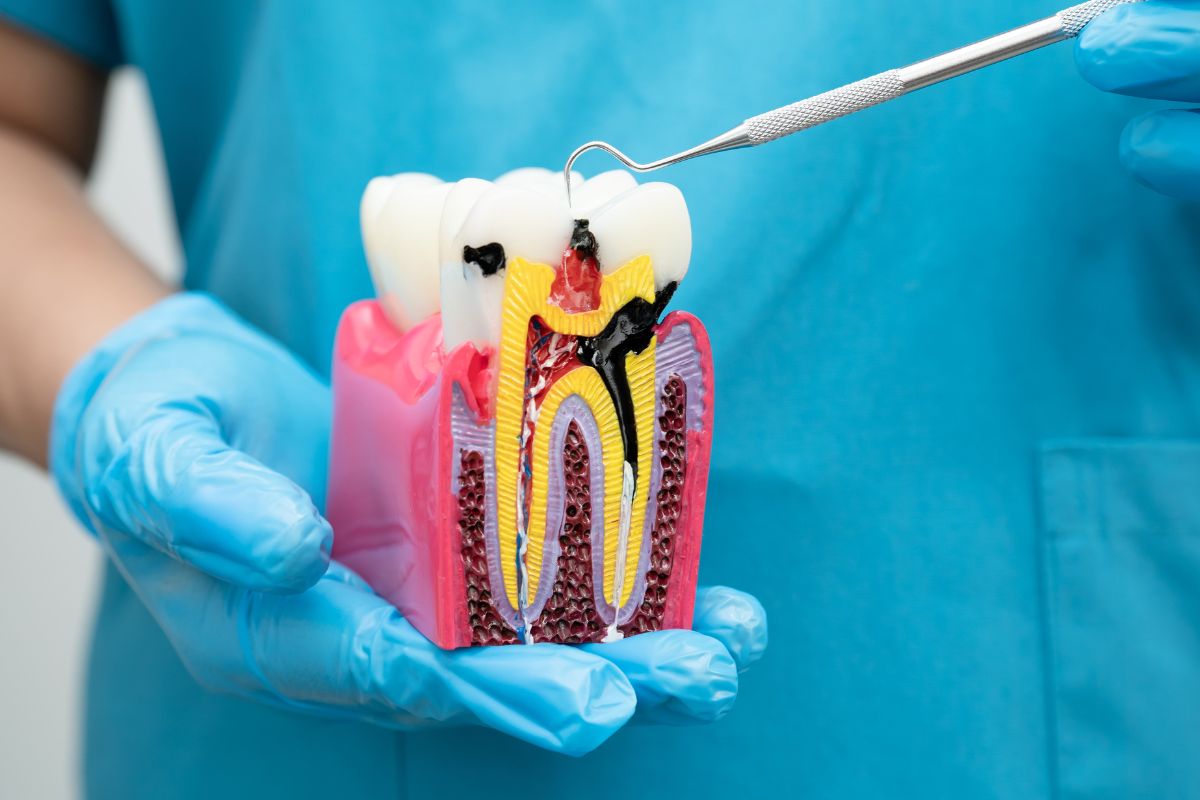
Dentin, the layer under enamel, holds tiny tubes leading to nerves. When enamel wears thin, stimuli like heat or cold reach those nerves fast.
Gum recession can expose roots too. Roots lack enamel’s protection, making them prone to discomfort.
Common Causes of Tooth Sensitivity
Brushing too hard erodes enamel over time. Acidic foods and drinks do the same.
Cracked teeth let bacteria in, irritating nerves. Cavities weaken structure, heightening reactions.
Grinding teeth at night wears down surfaces. Even recent fillings can trigger temporary issues.
In some cases, infection reaches the pulp, the soft center with nerves and blood vessels. This leads to intense, lingering pain.
How Root Canal Therapy Addresses Sensitivity
Root canal therapy targets infected or inflamed pulp. By removing the damaged tissue, it eliminates the source of deep pain.
Dentists clean the canals thoroughly. They shape them and fill with a safe material to seal out bacteria.
This preserves the natural tooth. It restores function without extraction.
In areas like southern Minnesota, where community-focused care emphasizes saving teeth, options like root canal therapy in Austin, MN fit seamlessly into local dental practices known for precise, compassionate approaches.
After treatment, a crown often protects the tooth. This adds strength and prevents future breaks.
The Root Canal Procedure: What to Expect
The process starts with numbing the area. Comfort comes first.
A small opening accesses the pulp. Tools remove the infected part.
Canals get cleaned with special solutions. This step kills remaining bacteria.
Filling seals the space. A temporary cover protects until the final restoration.
Most people return to normal activities quickly. Modern techniques make it straightforward.
Benefits of Root Canal Therapy
It relieves pain effectively. No more throbbing or sharp reactions.
The tooth stays in place, maintaining your bite and smile.
Chewing becomes easier. Overall oral health improves.
Success rates are high, supporting long-term use.
| Time Frame | Success Rate |
|---|---|
| 10 Years | 97% |
| 20 Years | 81% |
| 30 Years | 76% |
| 37 Years | 68% |
This table shows cumulative survival rates from studies on treated teeth.
Trending FAQs on Root Canal Therapy and Tooth Sensitivity
Many search for answers online. Here are common questions based on frequent Google searches, with clear responses.
- Is it normal to have sensitivity after a root canal? Yes, mild tenderness can last a few days as tissues heal. It usually fades with over-the-counter pain relief.
- How long does sensitivity last after a root canal? Most discomfort eases in 1-2 weeks. If it persists, check with your dentist for any issues.
- Why does my tooth still hurt after a root canal? Healing inflammation or bite adjustments might cause it. Severe pain could signal a need for follow-up.
- What are signs I need a root canal? Look for prolonged pain from hot or cold, swelling, or chewing discomfort. Darkening gums can indicate infection.
- Does root canal treatment cause more sensitivity? No, it removes the nerve, often ending sensitivity. Post-procedure care helps manage any temporary effects.
These address what people often ask, based on search trends.
When to Seek Professional Help
Ignoring sensitivity can worsen problems. Early checks prevent bigger issues.
If pain lingers or intensifies, don’t wait. Professional evaluation spots root causes.
Dentists use advanced tools for accurate diagnosis. They guide on next steps.
For ongoing concerns, schedule an appointment to discuss personalized options. Timely action keeps your smile healthy.
Myths and Facts About Root Canals
Some think root canals are painful. Truth is, they relieve pain, not cause it.
Modern anesthesia ensures comfort. Patients often compare it to a filling.
Another myth: Extraction is better. But saving the tooth supports jaw health.
Facts show high effectiveness. With care, treated teeth function well for years.
Aftercare Tips for Lasting Results
Post-treatment, avoid hard foods briefly. This lets the tooth settle.
Brush gently with soft bristles. Floss daily to keep gums healthy.
Regular check-ups maintain results. They catch issues early.
A balanced diet aids healing. Limit sugary snacks to protect enamel.
Following these steps enhances outcomes. Your efforts pay off in comfort.
Have lingering questions about tooth sensitivity? Root canal therapy offers a proven path to relief when infection is the culprit. It saves teeth and restores daily ease. Ready to take the next step? Schedule an appointment today for expert guidance tailored to you.