
Dental implants have become a leading solution for people looking to replace missing teeth. With their natural appearance, durability, and ability to restore full function, they offer numerous advantages. However, while the procedure itself is highly effective, understanding the recovery process is essential to ensure a smooth healing period and long-lasting results.
Immediate Recovery: The First 24-48 Hours
The first 24-48 hours after your dental implant surgery are crucial for a successful recovery. You may experience some discomfort, swelling, and minor bleeding, which is completely normal. Here are a few things to keep in mind during this initial phase:
- Swelling: It’s common to have swelling around the implant site, which may increase over the first couple of days. Applying an ice pack for 10-15 minutes at a time can help reduce this.
- Pain management: Over-the-counter pain relievers are often recommended by your dentist. Follow their guidelines for proper use.
- Bleeding: Some bleeding or oozing is expected during the first 24 hours. Biting down on a gauze pad can help control this. If bleeding continues beyond the first day or becomes excessive, contact your dentist.
- Diet: Stick to soft foods for the first few days, avoiding anything too hot, spicy, or hard to chew. Foods like yogurt, applesauce, and mashed potatoes are good options.
Remember, during this early recovery phase, it’s important not to disturb the implant site. Avoid touching the area with your tongue or fingers, as this can interfere with the healing process and increase the risk of infection. Be gentle when brushing and flossing near the surgical site to avoid causing irritation.
The First Week of Recovery
After the initial 24-48 hours, most of the swelling and discomfort should begin to subside. During the first week, your focus should be on maintaining good oral hygiene and ensuring the implant area heals properly. Here are some important tips for this phase of recovery:
- Oral hygiene: Continue brushing and flossing, but be cautious around the implant site. Your dentist may recommend using a soft-bristled toothbrush or a special mouthwash to keep the area clean without causing irritation.
- Rinsing: After the first day, gently rinsing your mouth with warm saltwater (a teaspoon of salt in a cup of water) a few times a day can help reduce swelling and keep the area clean.
- Diet: You can gradually start introducing more solid foods back into your diet, but still avoid anything that requires excessive chewing or could disturb the implant, such as nuts, chips, or crunchy vegetables.
- Rest: Avoid strenuous activities during the first week, as this can increase swelling and slow down the healing process. Rest is important to allow your body to recover.
Caring for Your Dental Implants After Recovery
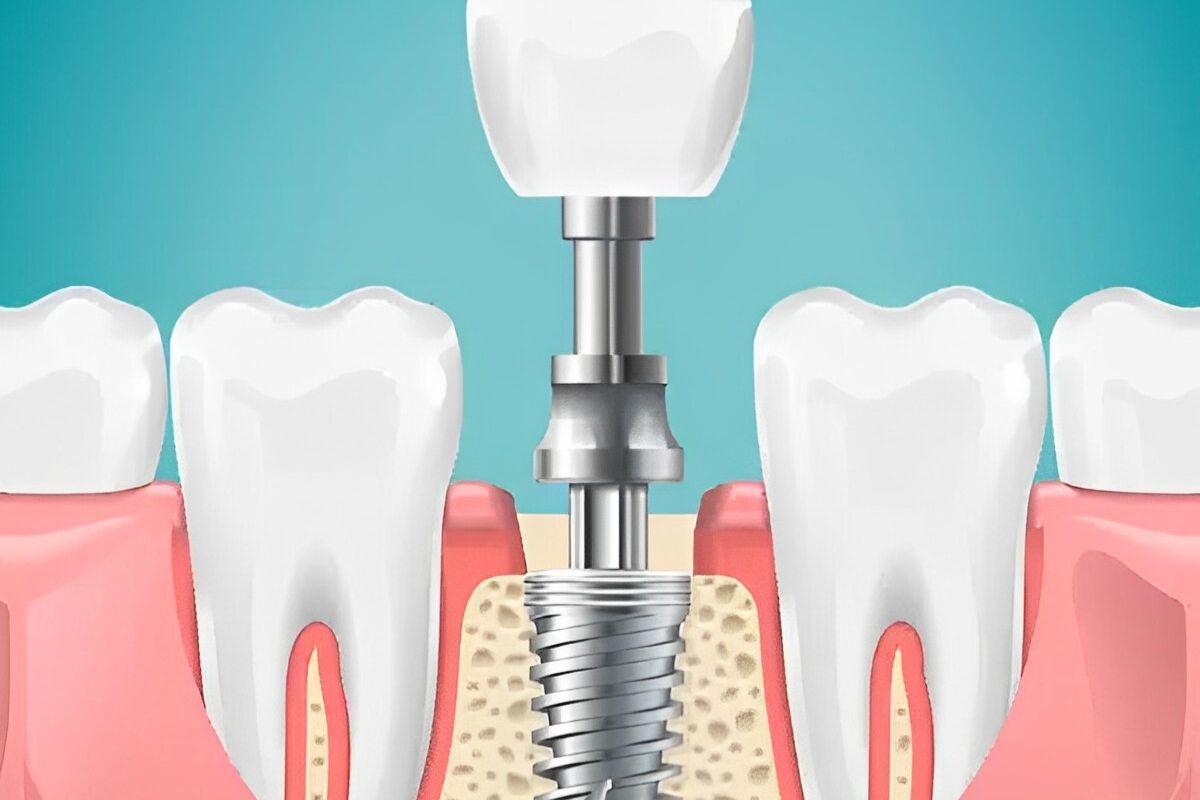
Once your dental implants are fully healed and your permanent crown is in place, caring for them is similar to taking care of natural teeth. Here are some ways to ensure the longevity of your dental implants:
- Brush and floss daily: While implants can’t get cavities, plaque buildup around the gums can still lead to issues like peri-implantitis (an infection of the surrounding gum tissue). Brush twice a day and floss once daily to keep the area clean.
- Use a soft-bristled toothbrush: A soft-bristled brush will help protect your gums and implants from irritation or damage. Electric toothbrushes are also effective at removing plaque while being gentle on the implants.
- Visit your dentist regularly: Routine dental visits every six months will help ensure that your implants and gums stay healthy. Your dentist can also perform professional cleanings around the implant site to prevent plaque buildup.
- Avoid hard or sticky foods: While dental implants are durable, chewing hard items like ice or sticky candies can put undue stress on the implants or cause damage to the crown.
Conclusion
Recovery after dental implants is a gradual process, but with the right care, your implants can provide a long-lasting, natural-looking solution for missing teeth. While the implants themselves won’t get cavities, it’s essential to maintain good oral hygiene to protect the surrounding gum tissue and bone. By following your dentist’s instructions and keeping up with regular checkups, you can ensure the success and longevity of your dental implants.
If you’re considering dental implants in Austin, MN, the team at Potach & Mitchell is here to help. Our experienced professionals will guide you through the process, from the initial consultation to the final restoration, ensuring you have a healthy and beautiful smile for years to come. Contact us today to learn more about dental implants and schedule a consultation.