
Have you ever ignored a nagging toothache, thinking it would go away on its own? Many people do, but that small discomfort could signal something much bigger. Tooth infections aren’t just painful—they can disrupt your daily life and health in surprising ways. Let’s dive into what causes them, how they develop, and why you shouldn’t brush them off.
Understanding Tooth Infections
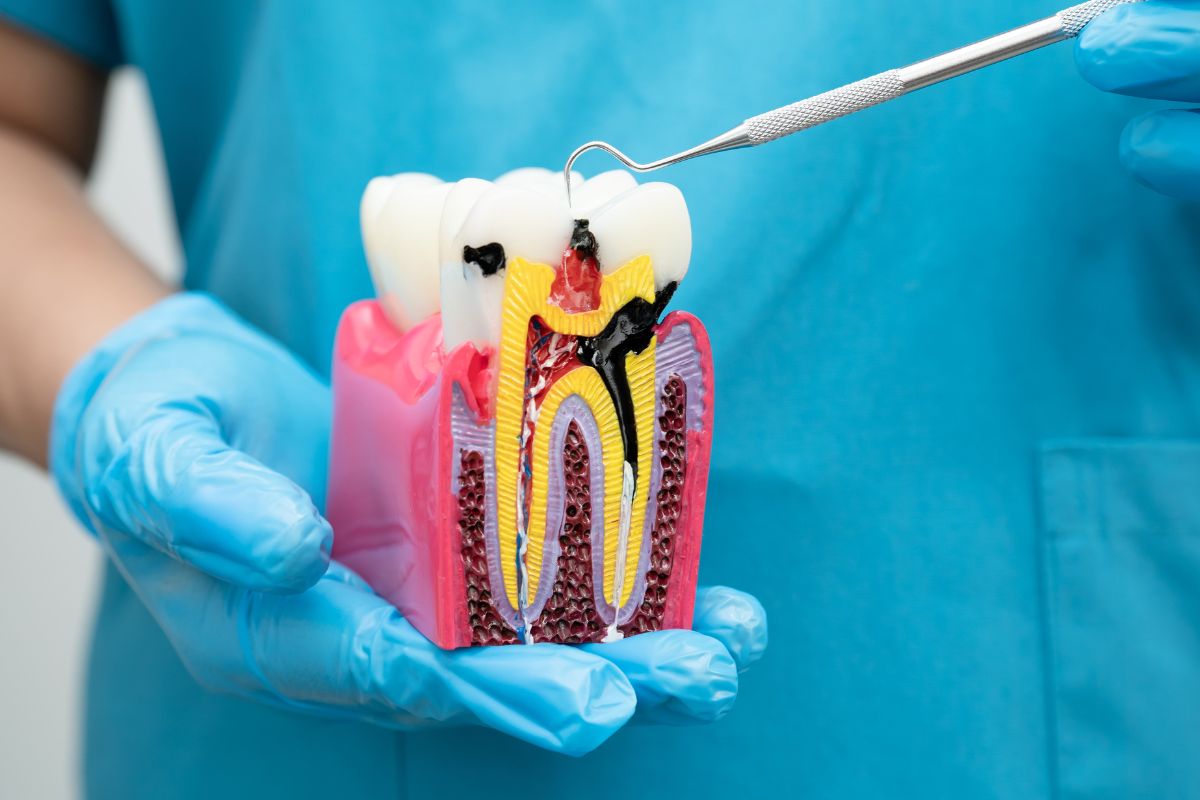
A tooth infection, often called a dental abscess, happens when bacteria invade the inner parts of your tooth. This leads to pus buildup and inflammation. It usually affects the pulp, the soft tissue inside with nerves and blood vessels.
These infections don’t appear out of nowhere. They stem from everyday oral issues that escalate if ignored. Knowing the basics helps you spot trouble early.
How Tooth Infections Begin
Tooth decay is a common starting point. Bacteria in plaque produce acids that erode enamel, creating cavities. If untreated, the decay reaches the pulp.
Cracks or chips in teeth also invite bacteria. Even minor injuries from biting hard food can open pathways. Previous dental work, like fillings, might fail over time, allowing entry.
Gum disease plays a role too. It pulls gums away from teeth, forming pockets where bacteria thrive. Once inside the pulp, infection spreads to the root tip.
In early stages, you might feel nothing. But as bacteria multiply, pressure builds. This turns into an abscess, a pocket of pus at the root or between tooth and gum.
Recognizing the Symptoms
Pain is the biggest clue. It often throbs and worsens with biting or hot/cold foods. Swelling in the face or gums follows.
You might notice bad breath or a foul taste. Fever, swollen lymph nodes, or general malaise can occur if it spreads.
Sensitivity to temperature is common. Loose teeth or pus drainage signal advanced issues. Don’t wait— these signs demand attention.
Why Tooth Infections Are Serious
Untreated infections can spread beyond the mouth. Bacteria enter the bloodstream, reaching the jaw, neck, or even brain.
This leads to severe complications like sepsis, a life-threatening response. Heart issues or bone loss in the jaw are possible too.
Historically, before antibiotics, these infections had high mortality rates. Today, prompt care prevents most dangers, but delays still risk hospitalization.
They affect daily life too. Eating, sleeping, and focusing become hard. Chronic pain drains energy and impacts overall well-being.
Treatment Options for Tooth Infections
Antibiotics help control the spread, but they don’t fix the source. Draining the abscess relieves pressure and removes pus.
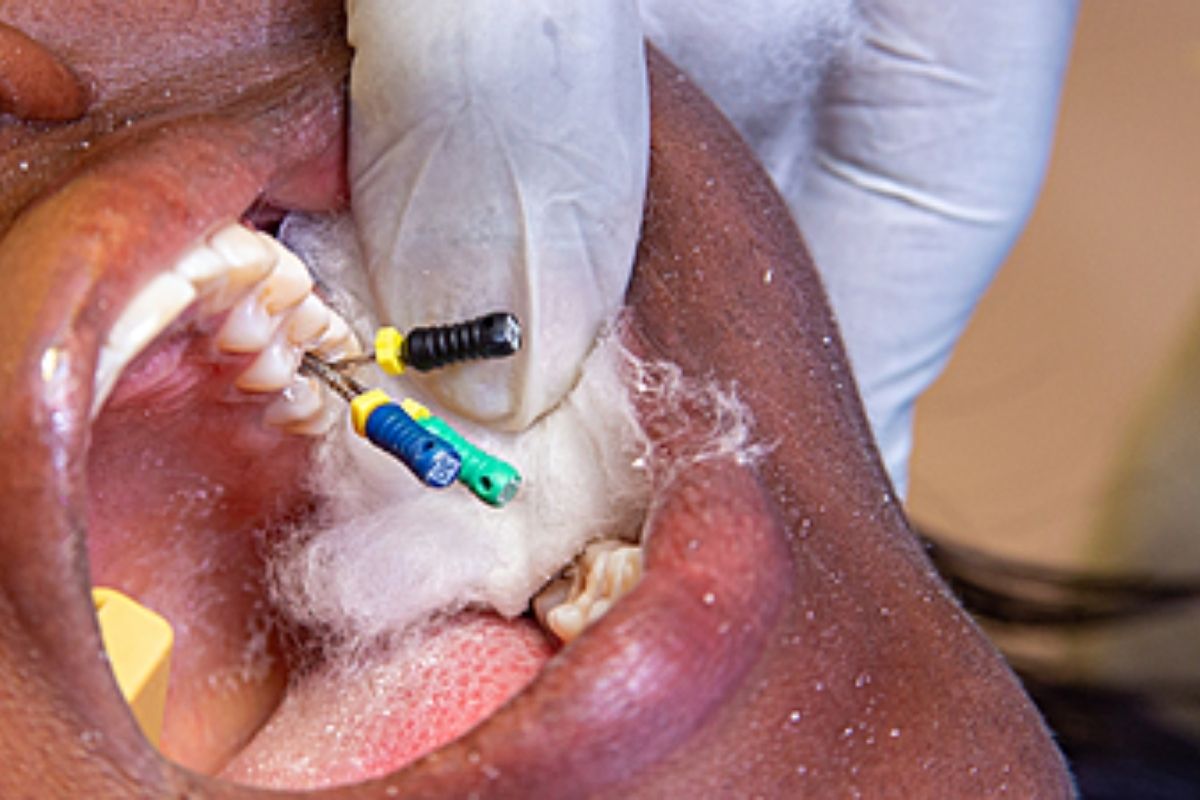
For deeper issues, endodontic treatment saves the tooth. This involves cleaning infected pulp and sealing the canal. Modern methods, like laser-assisted procedures, make it quicker and more comfortable.
If the damage is too great, extraction might be needed. Then, options like implants restore function. Always consult a professional for the best approach.
In cases where infection hits the nerve, root canal therapy in Austin, MN offers a reliable way to preserve your natural tooth and stop pain.
Preventive Measures to Avoid Infections
- Good oral hygiene is key. Brush twice daily with fluoride toothpaste. Floss to remove trapped food.
- Regular checkups catch problems early. Dentists spot decay before it advances.
- Watch your diet. Limit sugary snacks that feed bacteria. Stay hydrated to rinse away debris.
- Protect teeth during sports with mouthguards. Avoid using teeth as tools to prevent cracks.
These habits build strong defenses. They keep minor issues from turning serious.
Trending FAQs on Tooth Infections
Many people turn to search engines with questions about tooth infections. Here are some trending ones based on common queries, with straightforward answers:
- What are the first signs of a tooth infection? Early signs include mild toothache, sensitivity to hot or cold, and slight swelling. As it worsens, pain intensifies, and you might see pus or feel feverish.
- Can a tooth infection go away on its own? Rarely. Most need professional treatment to remove the source. Ignoring it often leads to worse symptoms and spread.
- How long can you have a tooth infection without knowing? Sometimes weeks or months in early stages with no pain. But once symptoms hit, it progresses quickly.
- What happens if a tooth infection spreads? It can affect nearby tissues, causing swelling in the face or neck. In rare cases, it leads to serious issues like sepsis or breathing problems.
- Is a tooth infection an emergency? Yes, if you have severe pain, swelling that affects breathing, or high fever. Seek immediate care.
These cover what folks often ask on platforms like Google.
Key Statistics on Tooth Infections
To highlight the impact, here’s a table with relevant stats:
| Statistic | Detail | Source Insight |
|---|---|---|
| Prevalence | 1 billion people affected by oral diseases globally | World Health Organization |
| Hospital Admissions | 1 per 2,600 population in the US for dental infections | Study on hospital data |
| Historical Mortality | 10-40% death rate from dental infections pre-antibiotics | Medical history reviews |
| Untreated Decay | 1 in 4 adults has untreated tooth decay | CDC reports |
These numbers show why awareness matters.
If you are searching for a dentist near you serving in Austin, MN, know that local experts can guide you through diagnosis and care with ease.
Taking action on tooth infections protects more than your smile—it safeguards your health. Remember, early intervention turns big problems small. To schedule an appointment, call 507-437-6312 today. Your brighter, pain-free days await.