

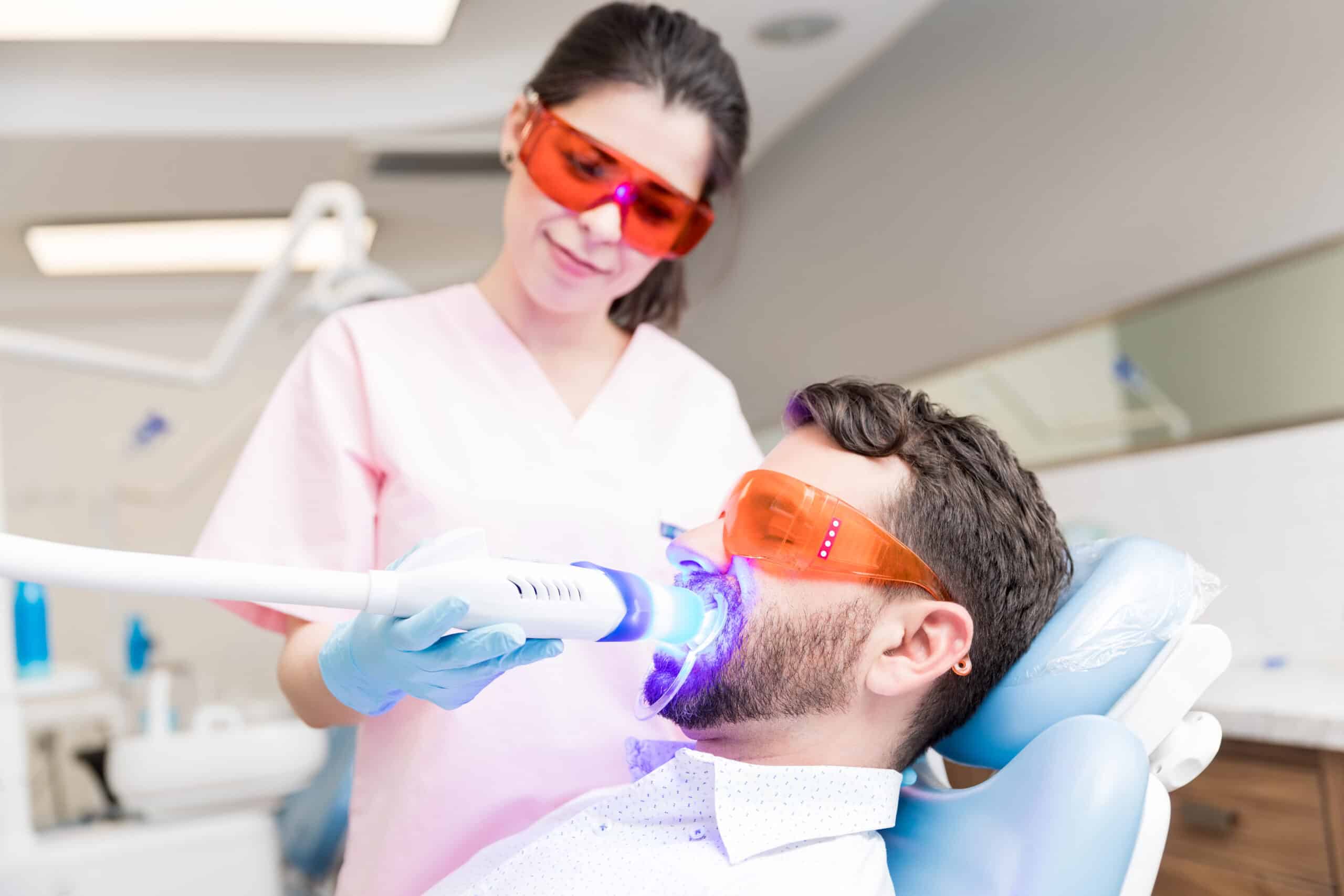
Teeth whitening is one of the most requested cosmetic treatments we see at Potach & Mitchell Dental Clinic. Patients in Austin, MN often ask the same question: will your teeth actually whiten? The honest answer is — it depends. What dentists know about real results is that not every smile responds the same way. Understanding why can save you time, money, and disappointment.
This article helps you self-screen before you invest in whitening. We will walk you through who tends to see dramatic results and who may need a different path. If you are curious about Cosmetic Dentistry Austin options beyond whitening, we can help with that too.
Why Whitening Works — and When It Does Not
Most whitening products target extrinsic stains. These are surface-level discolorations caused by food, coffee, tea, wine, and tobacco. Bleaching agents like hydrogen peroxide break down these stain molecules effectively. That is why people with surface staining often see impressive results.
However, not all discoloration lives on the surface. Intrinsic stains develop inside the tooth structure itself. These stains do not respond well to bleaching. They require a completely different treatment approach to correct.
Common causes of intrinsic staining include:
- Fluorosis from excessive fluoride during tooth development
- Trauma that caused internal bleeding inside a tooth
- Aging, which thins enamel and reveals darker dentin beneath
- Certain medications taken during childhood
If your staining is intrinsic, professional whitening may produce little to no visible change. Dr. Kurt S. Potach can assess your specific situation and give you an honest prediction before you begin any treatment.
What Dentists in Austin Know About Real Results and Dental Restorations
This is one of the most important things to understand before whitening. Whitening agents only affect natural tooth enamel. They have zero effect on dental restorations. That includes crowns, veneers, bonding, and tooth-colored fillings.
If you have visible restorations on your front teeth, whitening creates a mismatch. Your natural teeth brighten while the restorations stay the same shade. The result can look uneven or patchy — the opposite of what most people want.
Here is what you should consider if you have restorations:
- Ask your dentist which teeth have visible restorations before starting treatment
- Whitening may still work if restorations are placed in back teeth only
- If restorations are old or discolored, replacing them after whitening gives a uniform result
- Veneers or bonding may be a better option for a consistent, bright smile
At Potach & Mitchell Dental Clinic, we always review your existing restorations before recommending whitening. We want your results to look natural and consistent across your whole smile.
Medication-Induced Staining: A Common Barrier to Whitening Results
Certain medications are known to cause significant tooth discoloration. Tetracycline antibiotics are the most common culprit. When taken during childhood while teeth are still forming, they can cause deep gray or brown banding within the tooth structure. This type of staining is notoriously resistant to whitening.
Other medications that may contribute to tooth discoloration include some antihistamines, blood pressure medications, and antipsychotics. If you took any of these medications long-term, standard whitening may not give you the results you expect.
For patients with medication-induced staining, alternatives worth exploring include:
- Porcelain veneers, which cover the front surface of the tooth entirely
- Dental bonding, which can mask surface discoloration at a lower cost
- Microabrasion for certain types of fluorosis-related spots
The good news is that options do exist. They just require a more customized plan than a standard whitening kit. Our team will help you identify the right path based on your unique staining history.
Who Gets the Best Whitening Results? A Quick Self-Screen Guide
Before booking a whitening treatment, it helps to honestly assess your situation. Patients who tend to see the best results share a few common traits. Understanding where you fall on this spectrum helps set realistic expectations.
You are likely a good whitening candidate if:
- Your teeth are yellowed primarily from coffee, tea, wine, or tobacco
- You have mostly natural teeth with few visible front-tooth restorations
- Your enamel is relatively intact and not overly sensitive
- You have not had long-term tetracycline or other staining medications
You may need an alternative approach if:
- You have crowns, veneers, or bonding on your visible front teeth
- Your discoloration appears gray, brown, or banded rather than yellow
- Your staining has been present since childhood
- Previous whitening attempts produced little improvement
If you fall into the second group, that does not mean a brighter smile is out of reach. It simply means whitening alone is not the right starting point. Exploring Restorative Dentistry Austin options may give you better, longer-lasting results.
Professional Whitening vs. Over-the-Counter: What Actually Delivers
Many patients try store-bought whitening strips before visiting a dentist. These products can work for mild surface staining. However, their concentration of bleaching agents is much lower than professional treatments. Results are often subtle and short-lived.
Professional whitening at Potach & Mitchell Dental Clinic uses higher-grade bleaching agents applied under controlled conditions. We can monitor sensitivity and adjust treatment as needed. Custom-fitted trays also ensure even contact with all tooth surfaces, which store-bought strips rarely achieve.
Beyond concentration, professional evaluation matters most. A dentist can identify which type of staining you have before treatment begins. That upfront assessment is what separates a successful whitening experience from a frustrating one.
Conclusion: Getting the Right Answer for Your Smile in Austin
Teeth whitening works beautifully for the right candidates. But knowing whether you are one of those candidates requires an honest look at your staining type, your dental history, and any existing restorations. Dr. Kurt S. Potach and the team at Potach & Mitchell Dental Clinic take the time to assess your smile before recommending any treatment. We believe informed patients get better outcomes. If you are ready to find out whether whitening — or something better — is right for you, we are here to help. Book Now to schedule your appointment with our team.
Frequently Asked Questions
Will teeth whitening work on crowns or veneers?
No. Whitening agents only affect natural tooth enamel. Crowns, veneers, and dental bonding will not change color during whitening treatment. If you have visible restorations on your front teeth, consult your dentist before starting whitening to avoid an uneven result.
Why did my teeth not whiten even after multiple treatments?
If whitening has not produced results for you, the staining may be intrinsic rather than surface-level. Intrinsic stains — caused by medication, trauma, fluorosis, or aging — do not respond to bleaching. A dental evaluation can help identify the cause and suggest more effective alternatives.
Is professional whitening better than store-bought strips?
Professional whitening uses stronger bleaching agents and custom-fitted trays for more even coverage. It also includes a pre-treatment assessment to confirm you are a good candidate. For mild surface stains, over-the-counter strips may offer some improvement, but professional treatment typically delivers faster and more noticeable results.
Can teeth whitening make sensitivity worse?
Some patients do experience temporary sensitivity during or after whitening treatment. This is more common in people with thin enamel or existing sensitivity. Professional whitening allows your dentist to monitor and manage sensitivity throughout the process, which is harder to control with at-home kits.
What are my options if whitening will not work for me?
Several cosmetic alternatives can improve tooth color when whitening is not effective. Dental bonding, porcelain veneers, and ceramic crowns can all cover discoloration and create a brighter appearance. Your dentist can recommend the best option based on the type and severity of your staining.