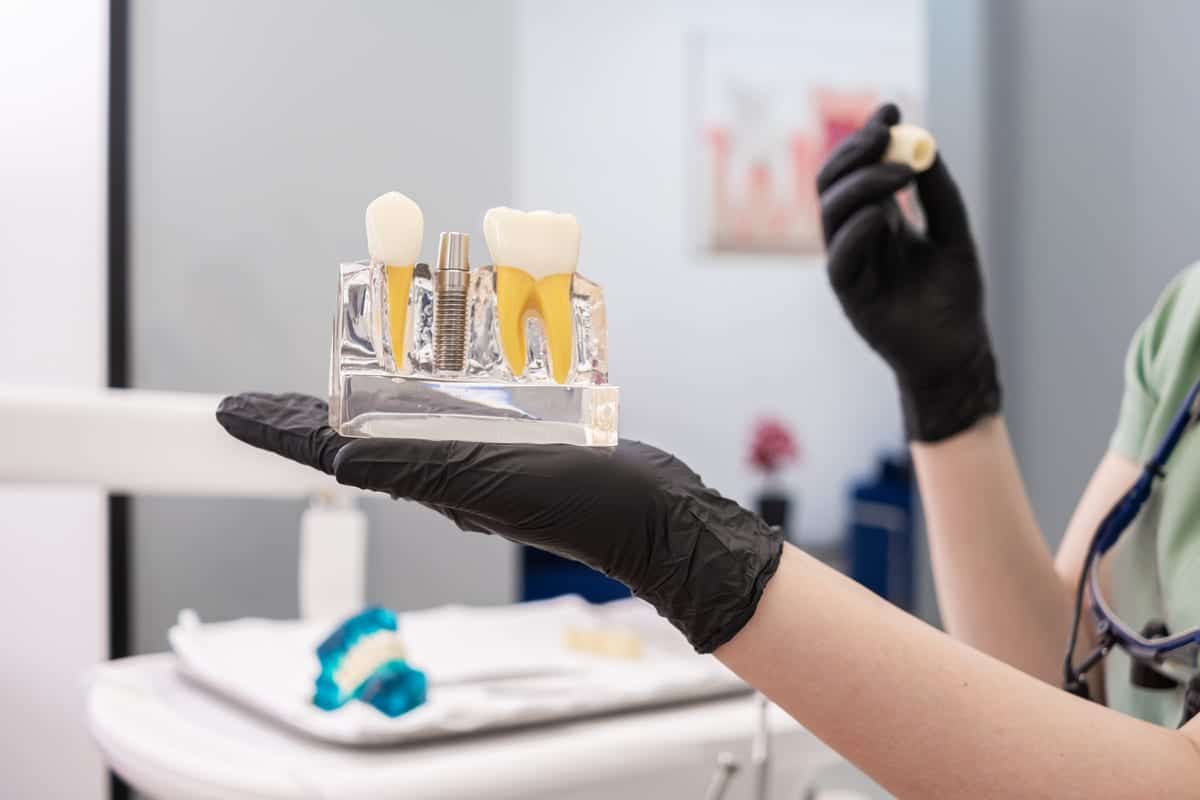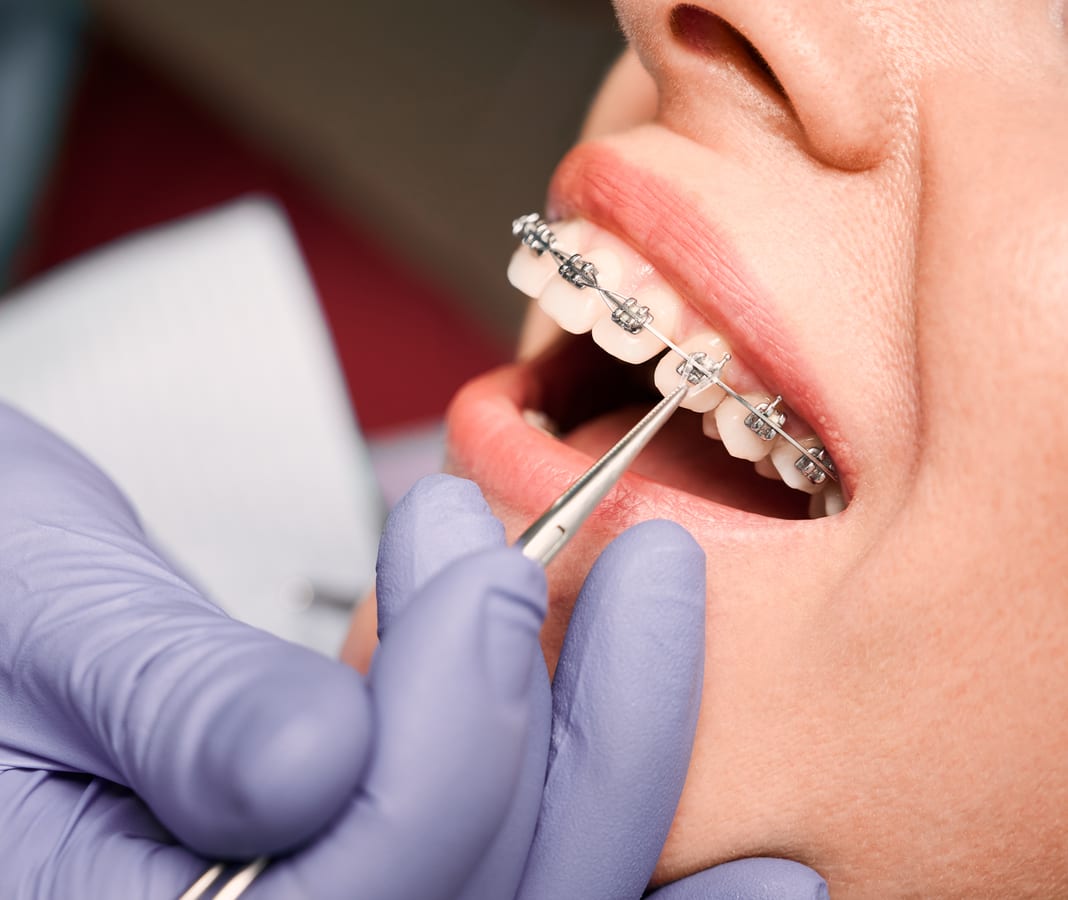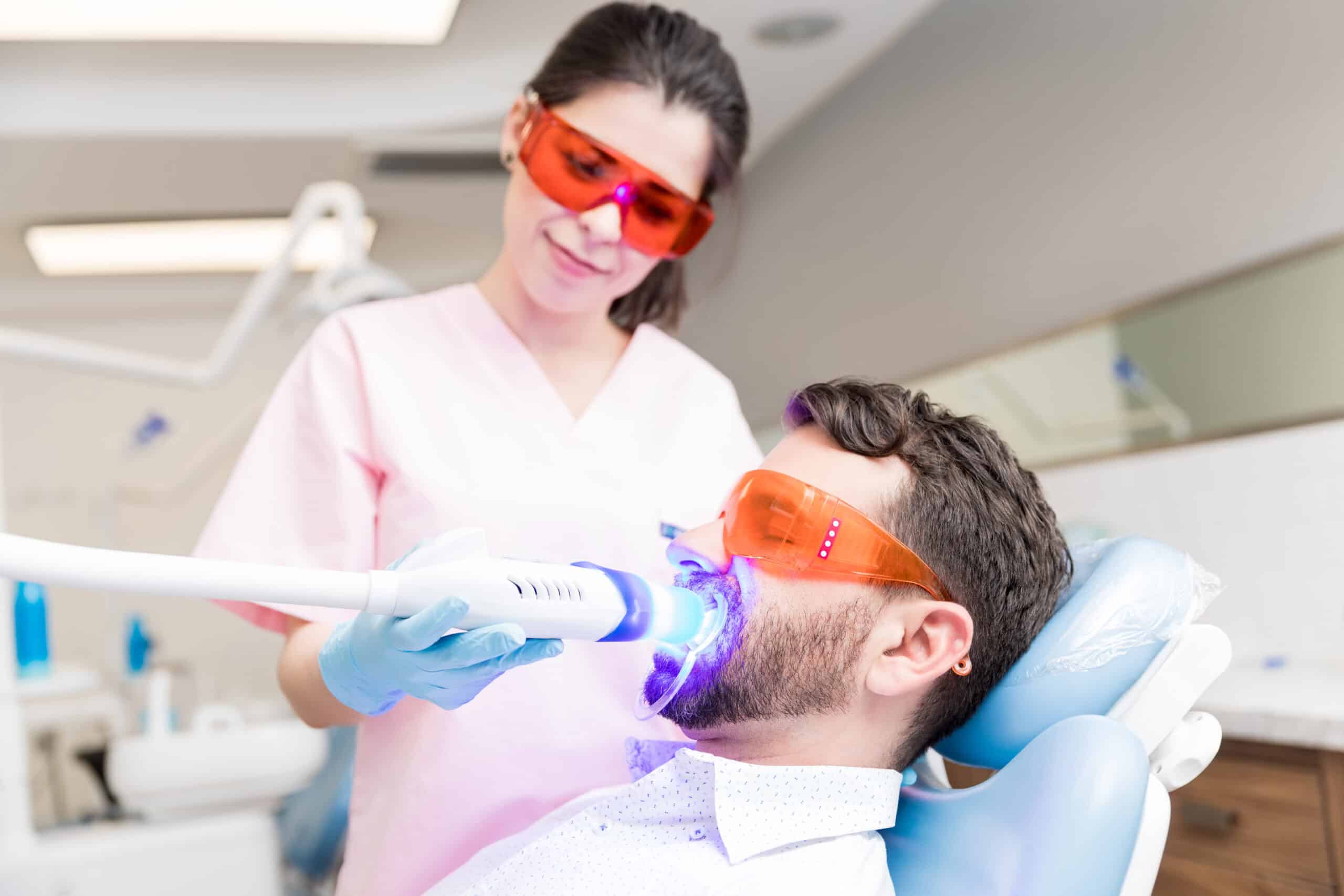


If you have a missing tooth, a dental bridge is one of the most reliable ways to restore your smile. Many patients in Austin, MN want to know exactly what happens during your dental bridge procedure before they commit to treatment. That’s completely understandable. At Potach & Mitchell Dental Clinic, Dr. Kurt S. Potach walks every patient through each step so there are no surprises. This step-by-step guide will help you feel confident and prepared.
Step One: Your Initial Consultation and Exam in Austin
Every dental bridge procedure starts with a thorough consultation. Dr. Potach will examine your teeth, gums, and jawbone to confirm you are a good candidate. X-rays help evaluate the health of the anchor teeth on either side of the gap. This appointment sets the foundation for your entire treatment plan.
During this visit, you can ask as many questions as you need. Dr. Potach will explain your options and help you understand what to expect at each stage. As part of Restorative Dentistry Austin, dental bridges are designed to bring back both function and appearance. Comfort and clarity are always the priority at this early stage.
Step Two: Preparing the Abutment Teeth
The next appointment focuses on preparing your abutment teeth. These are the natural teeth on either side of the missing tooth gap. Dr. Potach gently reshapes each abutment tooth by removing a small amount of enamel. This creates space for the dental crowns that will anchor the bridge in place.
Local anesthesia is used throughout this step. Most patients feel only mild pressure, not pain. If you experience dental anxiety, let the team know ahead of time. The staff at Potach & Mitchell Dental Clinic prioritizes your comfort at every moment.
After reshaping, impressions of your teeth are taken. These detailed molds are sent to a dental laboratory. The lab uses them to craft your custom bridge. A temporary bridge is placed to protect your teeth while you wait.
What to Expect at Each Stage of the Process
Understanding the full timeline helps patients feel less anxious. Here is a clear breakdown of what each stage involves:
- Consultation: Exam, X-rays, and treatment planning with Dr. Potach.
- Tooth preparation: Reshaping abutment teeth under local anesthesia.
- Impressions: Detailed molds sent to the dental lab for a custom fit.
- Temporary bridge: Placed to protect your teeth during fabrication.
- Final placement: Permanent bridge bonded securely into position.
- Follow-up: A check-in to confirm your bite and comfort are perfect.
Most patients in Austin, MN complete the entire process across two to three appointments. The lab typically takes one to two weeks to fabricate the bridge. Dr. Potach and the team keep you informed at every step.
Step Three: Fitting and Placing Your Permanent Bridge
Once your permanent bridge arrives from the lab, you return for the final placement appointment. Dr. Potach removes the temporary bridge and cleans the abutment teeth. He then carefully checks the fit, color, and bite of your new bridge. Adjustments are made as needed until everything feels just right.
When the fit is confirmed, the bridge is permanently bonded using dental cement. The process is painless and usually completed within one appointment. Most patients leave the office feeling immediate improvement in function and confidence. You can eat, speak, and smile normally very soon after placement.
Dental bridges are a proven solution within Cosmetic Dentistry Austin as well. A well-crafted bridge blends seamlessly with your surrounding teeth. Modern materials mimic the natural look of tooth enamel closely. Your new smile should feel completely natural.
How We Keep You Comfortable Throughout the Procedure
Patient comfort is not an afterthought at Potach & Mitchell Dental Clinic — it is built into every step. The team uses gentle techniques and takes time to explain what is happening during each stage. Local anesthesia ensures you feel no sharp pain during tooth preparation or placement. You are always in control and can signal for a break at any time.
Here are some of the comfort measures the team provides:
- Local anesthesia to eliminate pain during all active treatment steps.
- Clear explanations before and during each procedure stage.
- A calm, supportive environment designed to reduce anxiety.
- A follow-up check to address any discomfort after placement.
Dr. Potach understands that dental visits can feel intimidating. His approach is warm, patient, and unhurried. If you have specific concerns, share them at your first appointment. The team will tailor your experience to meet your needs.
Caring for Your Bridge After the Procedure
Proper aftercare helps your bridge last for many years. Brush twice daily and floss carefully around the bridge using floss threaders or an interdental brush. Regular dental cleanings at Potach & Mitchell Dental Clinic keep the surrounding teeth and gums healthy. Avoid biting hard objects like ice or pen caps, which can chip the bridge material.
Most dental bridges last ten to fifteen years with good oral hygiene. Annual checkups allow Dr. Potach to monitor the bridge and catch any early issues. Protecting your bridge is an investment in your long-term oral health. Consistent home care makes a significant difference in longevity.
Ready to Restore Your Smile in Austin, MN?
A dental bridge is a straightforward and effective solution for a missing tooth. Knowing exactly what happens at each stage of the procedure makes the process feel far less overwhelming. Dr. Kurt S. Potach and the entire team at Potach & Mitchell Dental Clinic are here to guide you from your first consultation to your final follow-up. Book Now to schedule your appointment with our team.
Frequently Asked Questions
How many appointments does a dental bridge procedure take?
Most patients need two to three appointments. The first prepares your teeth and takes impressions. The second places your permanent bridge. A follow-up visit confirms everything fits correctly and feels comfortable.
Is the dental bridge procedure painful?
The procedure is not painful. Dr. Potach uses local anesthesia during tooth preparation and placement. You may feel mild pressure or sensitivity, but most patients report little to no discomfort during the process.
How long does it take to get used to a dental bridge?
Most patients adapt within one to two weeks. Your bite and speech may feel slightly different at first. This is completely normal and resolves quickly as you adjust to the new bridge.
How long does a dental bridge last?
With proper care, a dental bridge typically lasts ten to fifteen years. Good oral hygiene, regular dental visits, and avoiding hard foods all contribute to a longer-lasting bridge.
Can a dental bridge improve the appearance of my smile?
Yes. Modern dental bridges are crafted to match the color and shape of your natural teeth. They fill the gap left by a missing tooth and restore a balanced, natural-looking smile.