
Most people know that snoring is annoying. Fewer people know that it can signal something far more serious. Untreated sleep apnea — why your dentist wants you to know the real cost in Austin — is a conversation Dr. Kurt S. Potach has with patients regularly. Sleep apnea is not just a nuisance. Left unaddressed, it quietly affects your heart, brain, teeth, and overall quality of life. Understanding what is truly at stake is the first step toward protecting your health.
What Is Sleep Apnea and Why Does It Go Undiagnosed?
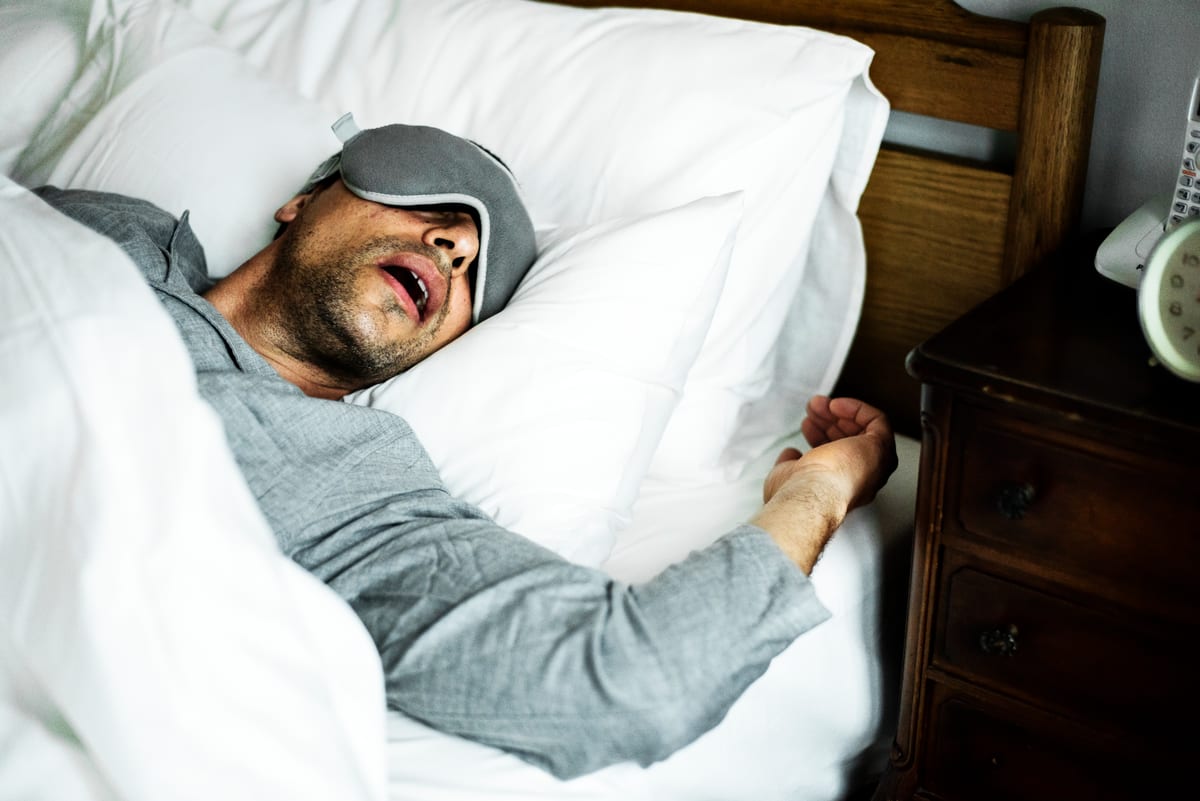
Sleep apnea is a condition where your breathing repeatedly stops and starts during sleep. The most common form, obstructive sleep apnea, happens when throat muscles relax and block the airway. Many people never realize they have it because it occurs while they are unconscious.
A bed partner may notice loud snoring or gasping sounds. But people who sleep alone often go years without a diagnosis. Daytime fatigue, morning headaches, and difficulty concentrating are common signs. These symptoms are easy to dismiss as stress or a poor night’s rest.
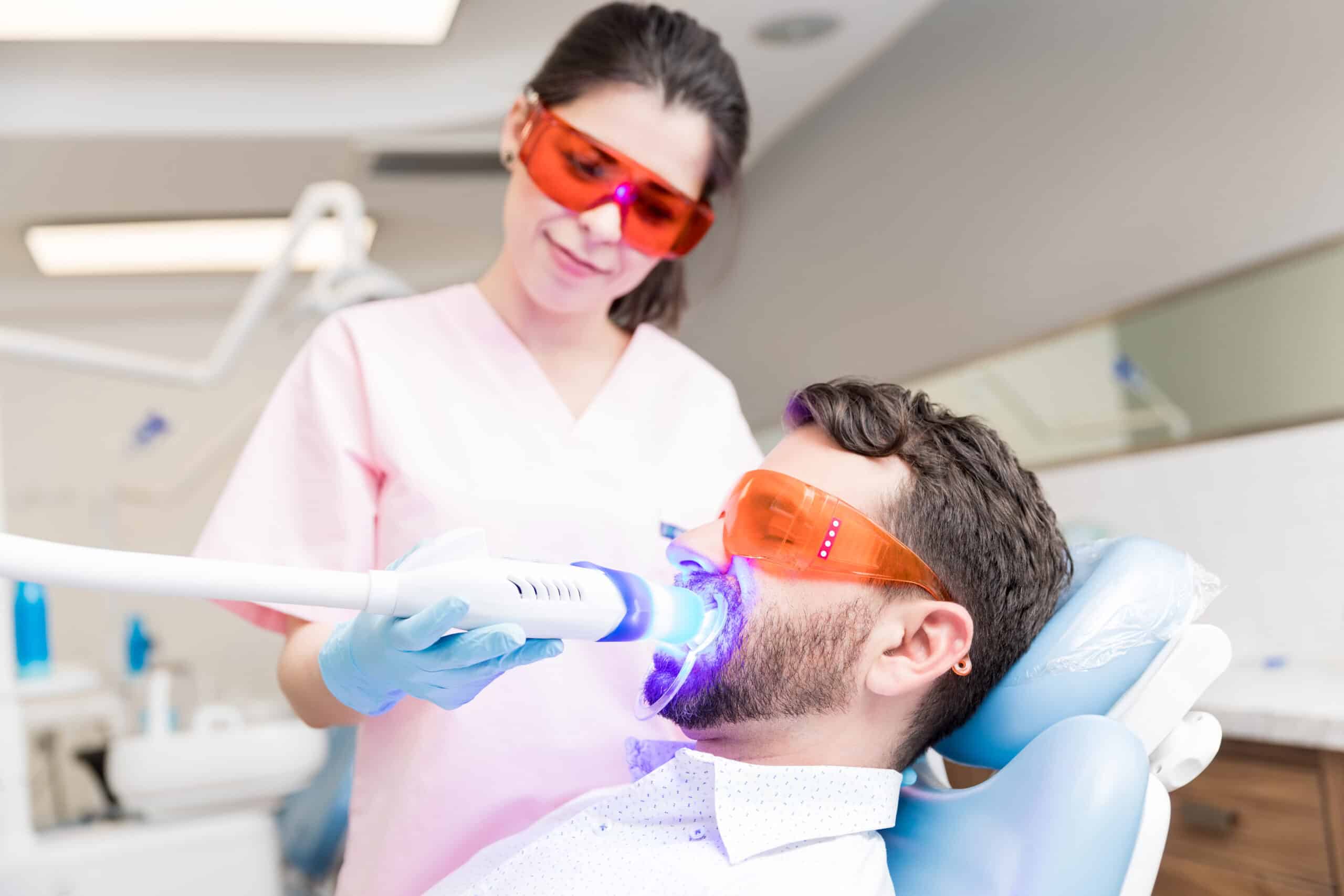
In Austin, MN, many patients first hear about sleep apnea during a routine dental visit. That is because Dr. Potach screens for signs in the mouth, jaw, and throat that can point toward the condition. Your dentist often sees warning signs before a physician does.
The Real Health Costs of Untreated Sleep Apnea in Austin
The risks of leaving sleep apnea untreated go far beyond feeling tired. Research consistently links the condition to serious, life-altering health problems. Understanding these risks makes the case for early treatment undeniable.
Here are some of the most documented health consequences:
- Cardiovascular disease — Sleep apnea strains the heart with repeated oxygen drops through the night.
- High blood pressure — Disrupted sleep triggers stress hormones that elevate blood pressure over time.
- Type 2 diabetes — Poor sleep impairs insulin regulation and increases metabolic risk.
- Stroke — The combination of oxygen deprivation and cardiovascular stress raises stroke risk significantly.
- Depression and anxiety — Chronic poor sleep deeply affects mood and mental health.
- Cognitive decline — Long-term oxygen deprivation has been linked to memory problems and brain fog.
These are not minor inconveniences. They are conditions that can shorten your life and lower your quality of living. Taking sleep apnea seriously is one of the most important things you can do for your long-term health.
What Untreated Sleep Apnea Does to Your Teeth and Jaw
Your dentist has a unique perspective on sleep apnea. The condition leaves clues in your mouth that trained eyes can spot quickly. Dr. Potach looks for these signs during regular exams at Potach & Mitchell Dental Clinic.
One of the most common dental signs is bruxism, or teeth grinding. People with sleep apnea often clench and grind their teeth during disrupted sleep. Over time, this wears down enamel and can crack or fracture teeth.
TMJ problems are another frequent companion to sleep apnea. The jaw tenses repeatedly through the night in response to airway obstruction. This leads to jaw pain, clicking, headaches, and limited mouth opening — all signs of TMJ dysfunction.
Damaged or worn teeth from grinding may eventually need Restorative Dentistry Austin to repair. Catching sleep apnea early can prevent that kind of costly dental damage from accumulating in the first place.
How Your Dentist in Austin Can Help Treat Sleep Apnea
Many patients are surprised to learn that dentists play an active role in treating sleep apnea. Dr. Potach offers oral appliance therapy as a highly effective option for patients with mild to moderate sleep apnea. These custom-fitted devices reposition the jaw and tongue to keep the airway open during sleep.
Oral appliances are comfortable, quiet, and easy to travel with. They are an excellent alternative for patients who cannot tolerate a CPAP machine. Treatment begins with a thorough evaluation of your airway, jaw, and bite.
Here is what the treatment process typically looks like at our Austin clinic:
- A comprehensive sleep apnea screening during your dental exam.
- Referral for a sleep study if needed to confirm a diagnosis.
- Custom fabrication of your oral appliance based on precise dental impressions.
- A follow-up fitting appointment to ensure comfort and effectiveness.
- Ongoing monitoring to track your progress and adjust as needed.
Sleep apnea treatment at Potach & Mitchell Dental Clinic is coordinated and patient-centered. Dr. Potach works collaboratively with physicians when appropriate to ensure you receive comprehensive care.
The Connection Between Sleep Apnea and Your Overall Smile Health
Sleep apnea does not exist in isolation. It affects the whole body — and that includes your smile. Patients who grind their teeth due to sleep apnea often notice increased tooth sensitivity and visible wear on their enamel.
Some patients also experience dry mouth as a result of breathing through the mouth at night. Dry mouth accelerates tooth decay and gum disease. This creates a cycle where untreated sleep apnea steadily worsens your oral health.
Patients who have already experienced cosmetic or structural changes to their teeth may benefit from exploring Cosmetic Dentistry Austin to restore their smile’s appearance after addressing the root cause. Treating sleep apnea is the foundation. Restoring the smile comes after.
Dr. Potach takes a whole-health approach to dentistry. He understands that your mouth is a window into your overall well-being. Addressing sleep apnea is as much a part of dental care as fillings or cleanings.
Why Austin Patients Should Not Wait to Seek Treatment
Delaying treatment for sleep apnea is not a neutral choice. Every night of disrupted sleep adds to the cumulative damage on your heart, brain, and body. The longer the condition goes untreated, the more difficult some of the consequences become to reverse.
Patients often tell Dr. Potach they assumed they just needed more sleep or needed to reduce stress. But no amount of lifestyle adjustment fixes a physical airway obstruction. Professional evaluation is the only way to know for certain what is happening.
Early intervention leads to better outcomes across the board. Patients who receive treatment report better sleep, sharper focus, improved mood, and fewer headaches. They also protect their teeth from the grinding damage that untreated apnea accelerates.
If you live in Austin, MN and have been waking up tired, snoring heavily, or experiencing jaw pain, do not wait. Potach & Mitchell Dental Clinic is here to help you take the first step. Book Now to schedule your appointment with our team.
Frequently Asked Questions
Can a dentist actually diagnose sleep apnea?
A dentist cannot officially diagnose sleep apnea on their own — that requires a sleep study. However, Dr. Potach can identify warning signs during a dental exam and refer you to the appropriate specialist. Dentists are often the first to spot the oral signs of sleep apnea, making your dental visit a valuable screening opportunity.
What happens if sleep apnea is left untreated for years?
Long-term untreated sleep apnea significantly increases the risk of heart disease, stroke, high blood pressure, and cognitive decline. It also causes ongoing damage to your teeth and jaw through grinding and clenching. The longer it goes unaddressed, the harder some of these effects are to reverse.
Is a CPAP machine the only treatment for sleep apnea?
No. Oral appliance therapy is a highly effective alternative, especially for mild to moderate sleep apnea. Custom-fitted dental devices reposition the jaw to keep the airway open during sleep. Many patients find oral appliances more comfortable and easier to use consistently than a CPAP machine.
How do I know if my jaw pain is related to sleep apnea?
Jaw pain, morning headaches, and clicking or popping in the jaw can all be signs of TMJ dysfunction linked to sleep apnea. When the airway is obstructed at night, the jaw tenses in response, causing strain over time. Dr. Potach can evaluate your jaw and airway together to identify whether the two conditions are connected.
Does treating sleep apnea help with teeth grinding?
Yes, in many cases it does. Bruxism — teeth grinding — is commonly triggered by the body’s response to airway obstruction during sleep. Treating the underlying sleep apnea often reduces or eliminates nighttime grinding. This protects your enamel and reduces long-term dental damage significantly.