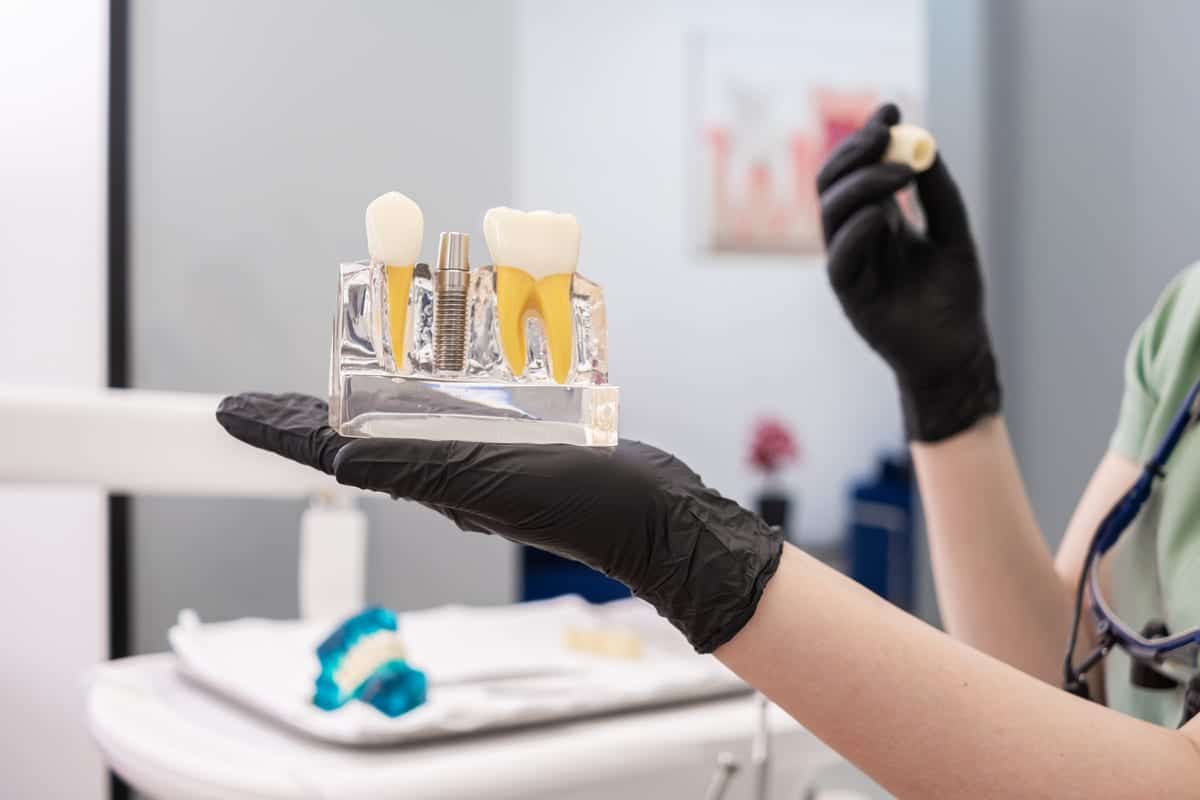


Understanding what to expect during your dental implant recovery journey in Austin can make the whole process feel much less intimidating. Recovery is a gradual process, and knowing what comes next helps you stay calm and prepared. At Potach & Mitchell Dental Clinic, Dr. Kurt S. Potach guides every patient through each stage with clear, honest advice. This article walks you through the full recovery timeline, pain management strategies, dietary guidelines, and long-term care tips.
Your Dental Implant Recovery Timeline in Austin
Recovery from dental implant surgery happens in distinct phases. Most patients in Austin experience the most noticeable discomfort within the first three to five days. After that, symptoms gradually improve as your body begins to heal around the implant post.
Here is a general week-by-week breakdown of what to expect:
- Days 1–3: Swelling, bruising, and mild bleeding are common and normal.
- Days 4–7: Swelling begins to subside. Soreness decreases noticeably.
- Weeks 2–4: Most surface tissues heal. Eating becomes easier.
- Months 2–6: Osseointegration occurs — the implant fuses with your jawbone.
- Month 6 and beyond: Your final crown or restoration is typically placed.
The osseointegration phase is the most critical part of recovery. It cannot be rushed, but following your dentist’s instructions supports strong, lasting results. Dr. Potach monitors each stage carefully to ensure everything is progressing well.
Managing Pain and Swelling After Your Implant Procedure
Mild to moderate discomfort is completely normal after implant placement. Your body is responding to a surgical procedure, and some inflammation is part of the natural healing process. The good news is that most patients find the discomfort very manageable.
Dr. Potach typically recommends over-the-counter pain relievers such as ibuprofen. These help reduce both pain and inflammation at the same time. Always follow the dosage instructions provided during your post-operative consultation.
Use these practical tips to stay comfortable during the first week:
- Apply a cold ice pack to your cheek for 15-minute intervals on day one.
- Keep your head elevated when resting or sleeping to reduce swelling.
- Avoid strenuous physical activity for at least 48 to 72 hours.
- Do not smoke or use tobacco products, as these significantly slow healing.
- Rinse gently with warm salt water starting on day two.
If you experience severe pain, fever, or unusual discharge, contact our Austin office promptly. These can be signs of infection that require early attention. Catching problems early makes a significant difference in outcomes.
What to Eat During Your Implant Recovery
Your diet plays a surprisingly large role in how quickly and smoothly you recover. Hard, crunchy, or chewy foods can disrupt the surgical site and slow healing. Sticking to soft foods for the first few weeks protects the implant and surrounding tissue.
During the first week, focus on these gentle options:
- Smoothies, yogurt, and protein shakes
- Mashed potatoes, soft scrambled eggs, and oatmeal
- Soup broth and soft-cooked vegetables
- Soft fish, tofu, and cottage cheese
- Applesauce and ripe bananas
Avoid hot beverages, alcohol, and anything requiring significant chewing. These can irritate the surgical site or introduce harmful bacteria. Staying well-nourished also supports your immune system throughout recovery.
As weeks progress, you can gradually reintroduce firmer foods. Listen to your body and always follow the specific guidance from Dr. Potach. Every patient heals at a slightly different pace, and your plan should reflect your individual needs.
Long-Term Care for Your Dental Implants
Once your implant fully integrates and your final restoration is placed, the work is not over. Long-term success depends on consistent daily care and regular professional maintenance. The good news is that caring for implants is not complicated.
Treat your implant almost exactly like a natural tooth. Brush twice daily with a soft-bristled toothbrush and fluoride toothpaste. Floss around the implant site using implant-specific floss or an interdental brush. These habits prevent plaque buildup and protect the gum tissue surrounding the implant.
Regular dental visits remain essential. Dr. Potach recommends professional cleanings and check-ups every six months. These appointments allow early detection of any issues with the implant, the surrounding bone, or your gum health.
Dental implants are a long-term investment in your oral health. When properly cared for, they can last decades or even a lifetime. They are considered one of the most durable solutions available through Restorative Dentistry Austin patients trust today.
Many patients who restore their smile with implants also explore Cosmetic Dentistry Austin services to enhance the overall appearance of their smile. Combining restorative and cosmetic care can create truly transformative results. Dr. Potach is experienced in both areas and can help you explore all available options.
Signs Your Recovery Is on Track
Knowing what normal healing looks like gives you confidence throughout the process. Most patients do not experience serious complications, but staying informed helps you act quickly if something seems off.
Signs that your recovery is progressing well include:
- Swelling that peaks around day three and steadily improves
- Mild soreness that responds to over-the-counter medication
- No persistent bleeding beyond the first 24 hours
- Gradual return of normal chewing function over several weeks
If you notice pain that worsens after the first week, the implant feels loose, or you develop a fever, contact Potach & Mitchell Dental Clinic right away. These signs may indicate a complication that needs prompt care. Early intervention protects both your implant and your overall health.
Conclusion
Recovering from dental implants takes time, patience, and proper care. With the right guidance, the process is very manageable for most patients in Austin. Dr. Kurt S. Potach and the team at Potach & Mitchell Dental Clinic are here to support you every step of the way — from surgery day through your final restoration and beyond. Book Now to schedule your appointment with our team.
Frequently Asked Questions
How long does dental implant recovery take?
Most patients in Austin experience surface healing within two to four weeks. However, full osseointegration — the process of the implant fusing to the jawbone — takes anywhere from three to six months. Your final crown or restoration is typically placed after this phase is complete.
Is dental implant recovery painful?
Mild to moderate discomfort is normal during the first three to five days after surgery. Most patients manage it comfortably with over-the-counter pain relievers like ibuprofen. Dr. Potach provides personalized post-operative instructions to keep you as comfortable as possible.
What foods should I avoid after getting dental implants?
Avoid hard, crunchy, sticky, or chewy foods during the first several weeks of recovery. Hot beverages and alcohol should also be limited early on. Soft foods like yogurt, mashed potatoes, scrambled eggs, and smoothies are ideal during the initial healing phase.
Can I brush my teeth after dental implant surgery?
Yes, but gently. You should brush carefully around the surgical site using a soft-bristled toothbrush. Avoid applying direct pressure to the implant area during the first week. Dr. Potach will provide specific oral hygiene guidance tailored to your recovery stage.
When can I return to normal activities after dental implant placement?
Most patients can return to light daily activities within one to two days. Strenuous exercise and heavy lifting should be avoided for at least three to five days. Always follow the specific guidelines provided by Dr. Potach, as individual healing timelines can vary.