
Jaw pain can be frustrating, confusing, and surprisingly common. If you live in Austin, MN and wake up with a sore jaw or headaches, you are not alone. Many patients ask whether their jaw pain is caused by stress, grinding, or misalignment in Austin — and the honest answer is that it could be any of these. Understanding the root cause is the first step toward lasting relief.
At Potach & Mitchell Dental Clinic, Dr. Kurt S. Potach works with patients to identify what is actually driving their jaw discomfort. This article breaks down the most common causes of TMJ disorders so you can better understand your own symptoms.
What Is TMJ and Why Does It Cause Jaw Pain?
TMJ stands for temporomandibular joint. This is the hinge that connects your jaw to your skull. You have one joint on each side of your face, just in front of your ears. These joints work every time you chew, speak, or yawn.
When something disrupts the normal function of these joints, pain and stiffness can follow. This is broadly called a TMJ disorder, or TMD. Symptoms often include jaw clicking, facial soreness, headaches, and even ear pain. Pinpointing the cause helps determine the most effective treatment path.
Stress and Bruxism: The Hidden Culprits Behind Jaw Pain in Austin
Stress is one of the most overlooked drivers of jaw pain. When people feel anxious or overwhelmed, they often clench their jaw without realizing it. This constant muscle tension puts enormous pressure on the TMJ over time.
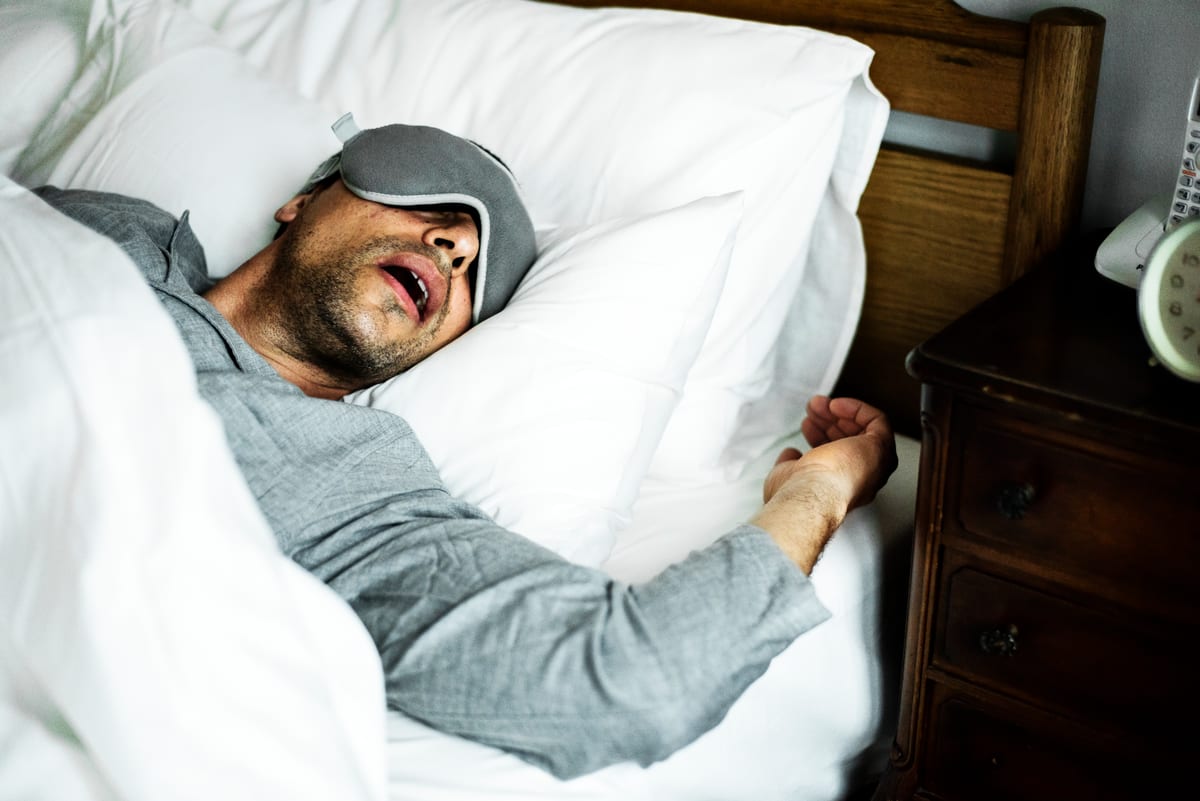
Bruxism — the clinical term for teeth grinding — is closely linked to stress. Many people grind their teeth at night while they sleep. They wake up with headaches, tender jaw muscles, or worn-down teeth. Here are some common signs that stress or bruxism may be causing your jaw pain:
- Morning headaches that fade throughout the day
- Tooth sensitivity with no obvious dental cause
- Worn, flat, or chipped tooth surfaces
- Sore jaw muscles upon waking
- Tension in the neck and shoulders
If you recognize these signs, it is worth discussing them with Dr. Potach. Nighttime grinding is treatable, often with a custom occlusal guard that protects your teeth and relieves joint stress.
Bite Misalignment and Its Role in TMJ Disorders
Your bite alignment has a direct impact on jaw health. When your upper and lower teeth do not meet properly, your jaw muscles work harder to compensate. Over time, this uneven effort strains the TMJ and surrounding tissues.
Misalignment can stem from several sources. Missing teeth, crooked teeth, or an uneven bite from old dental work can all contribute. Even a single tooth that sits too high can shift the pressure across your entire bite. This is why comprehensive dental evaluations matter.
Orthodontic issues and bite problems are not just cosmetic concerns. They have real, measurable effects on jaw function and comfort. Patients exploring Cosmetic Dentistry Austin options — such as veneers or dental bonding — may also find that correcting cosmetic issues improves their bite alignment and reduces jaw tension.
Arthritis and Past Jaw Injuries as TMJ Risk Factors
Not all jaw pain comes from habits or alignment. Arthritis is a significant risk factor for TMJ disorders. Both osteoarthritis and rheumatoid arthritis can affect the temporomandibular joint directly. The cartilage that cushions the joint gradually wears down, leading to pain and reduced range of motion.
Past injuries to the jaw, face, or neck can also trigger chronic TMJ problems. A car accident, sports impact, or even a hard fall can damage the joint or surrounding tissues. These injuries may not cause immediate pain. In some cases, symptoms emerge weeks or months after the original trauma.
Here are additional risk factors worth knowing:
- Family history of arthritis or joint disorders
- Prolonged dental procedures that require holding the mouth open wide
- Habitual nail biting or chewing on hard objects
- Poor posture that strains the neck and jaw
- Previous jaw surgery or facial trauma
If you have a history of any of these, mention it to Dr. Potach during your next visit. Context helps build a clearer clinical picture.
When Sleep Apnea and TMJ Overlap
There is a well-documented connection between sleep apnea and TMJ disorders. Both conditions affect the airway, jaw positioning, and nighttime muscle activity. Patients with sleep apnea often clench or grind their teeth as the body struggles to maintain airway patency during sleep.
This overlap means that treating one condition may reduce symptoms of the other. Dr. Potach offers sleep apnea treatment at Potach & Mitchell Dental Clinic. If your jaw pain coincides with snoring, daytime fatigue, or restless sleep, a combined evaluation can be very revealing.
How TMJ Treatment Fits Into a Broader Dental Plan
TMJ disorders rarely exist in isolation. They often intersect with other dental health concerns. Grinding wears down enamel and may require restorative care. Bite misalignment may call for a combination of cosmetic and structural corrections.
Patients considering Restorative Dentistry Austin options — such as dental fillings or complete smile restorations — may find that addressing structural damage also contributes to better jaw function. A healthy bite and healthy teeth support each other.
Dr. Potach takes a comprehensive approach. He looks at the whole picture, not just the symptom that brought you in. This helps patients in Austin receive care that addresses the actual source of their discomfort.
What to Do If You Suspect a TMJ Disorder
If you are experiencing jaw pain, do not wait for it to resolve on its own. Untreated TMJ disorders tend to worsen over time. Early evaluation leads to simpler and more effective treatment options.
Start by tracking your symptoms. Note when the pain occurs, how long it lasts, and whether anything makes it better or worse. Bring this information to your appointment. It gives your dentist valuable clues about what is happening.
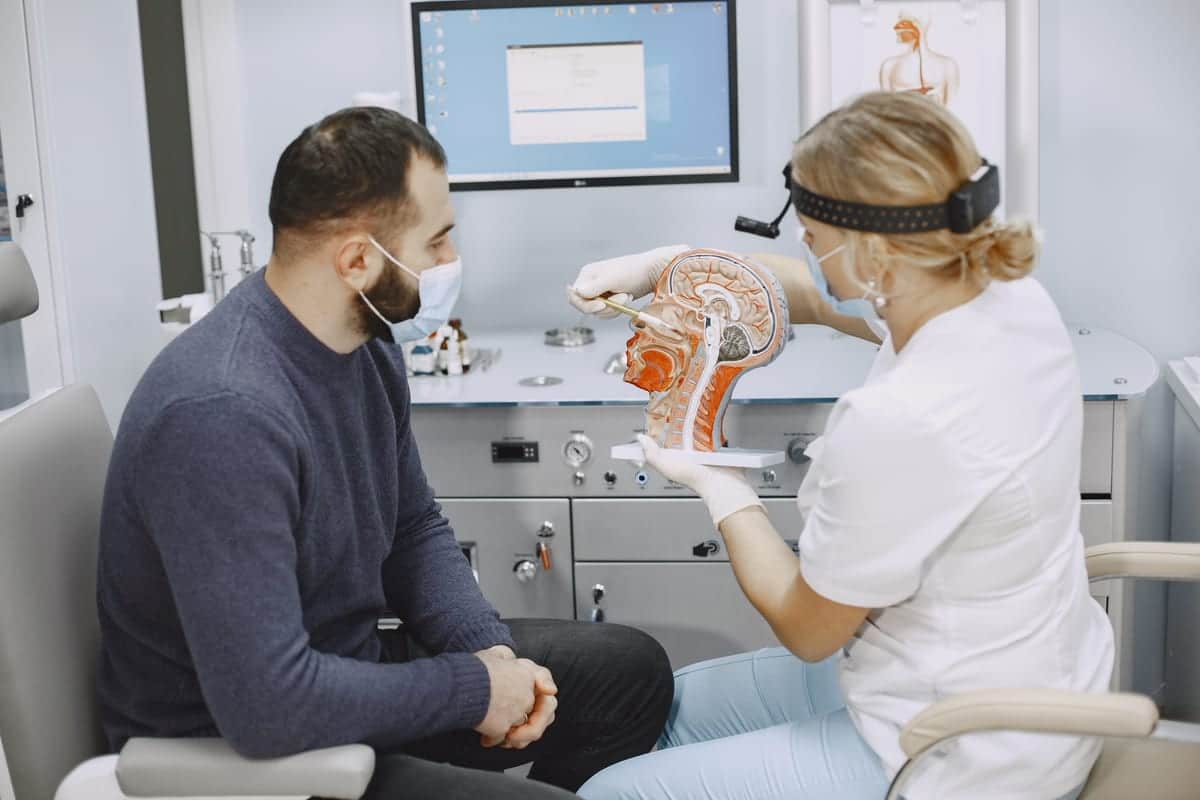
Dr. Potach will perform a thorough examination of your jaw joints, bite alignment, and teeth. From there, a personalized treatment plan can be created. Relief is possible — and it often starts sooner than patients expect.
You deserve to eat, speak, and sleep without jaw pain. The team at Potach & Mitchell Dental Clinic is here to help you get there. Book Now to schedule your appointment with our team.
Frequently Asked Questions
What are the most common causes of TMJ pain?
The most common causes include teeth grinding (bruxism), chronic stress, bite misalignment, arthritis, and past jaw injuries. Many patients have more than one contributing factor, which is why a thorough dental evaluation is so important for accurate diagnosis.
Can stress really cause jaw pain?
Yes, stress is a significant driver of jaw pain. When people are anxious or tense, they often clench their jaw muscles unconsciously. Over time, this muscle tension strains the temporomandibular joint and leads to soreness, headaches, and stiffness.
Is TMJ disorder a serious condition?
TMJ disorders range from mild to severe. Left untreated, they can worsen and cause increasing pain, difficulty chewing, and even changes to tooth structure. Early evaluation and treatment typically lead to better outcomes and simpler interventions.
How does bite misalignment contribute to jaw pain?
When your upper and lower teeth do not meet evenly, your jaw muscles compensate by working harder. This overwork creates chronic strain on the TMJ. Correcting bite issues — through restorative or cosmetic dental treatment — can significantly reduce jaw pain over time.
Can a dentist treat TMJ disorders, or do I need a specialist?
Many TMJ disorders can be effectively treated by a general dentist with experience in jaw health. Dr. Kurt S. Potach at Potach & Mitchell Dental Clinic evaluates and treats TMJ conditions as part of comprehensive dental care. He can also refer patients when specialized care is needed.