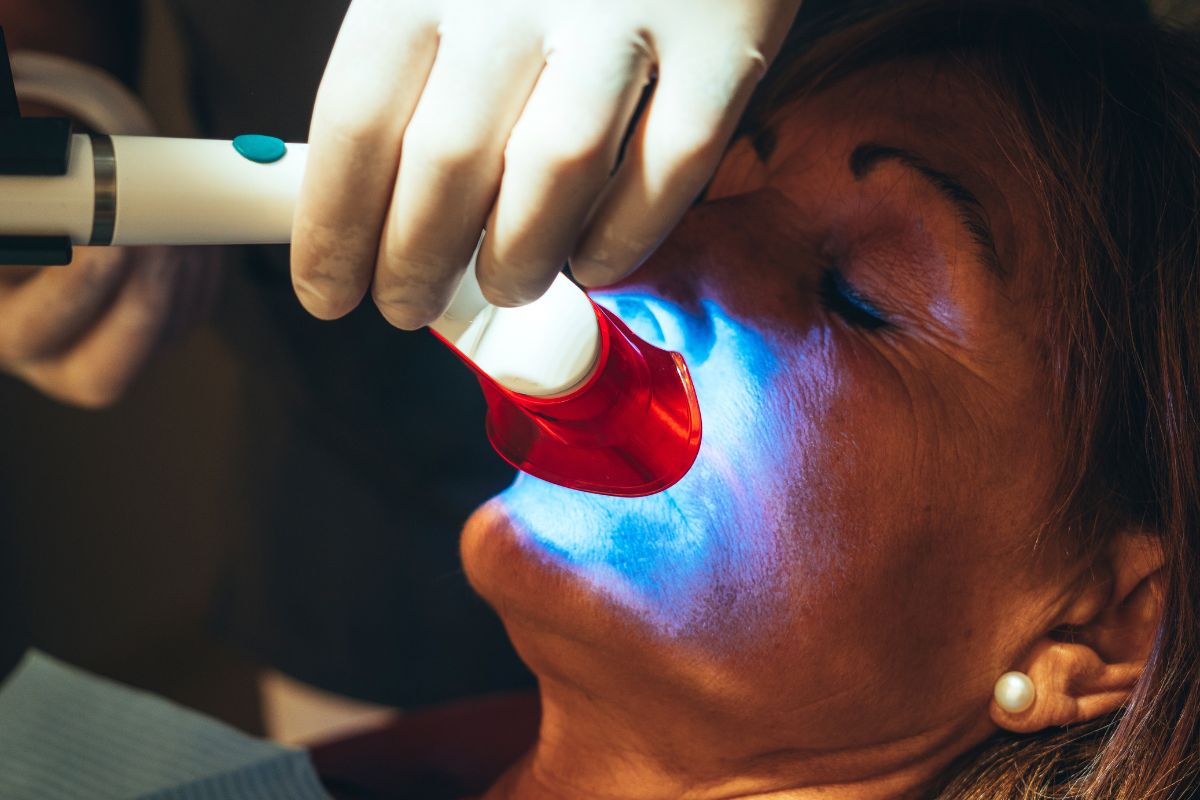


Coffee in the morning or tea in the evening can feel like a daily ritual. But over time, these habits often leave behind stubborn stains on your teeth. Many people notice their smile losing its brightness and begin to wonder whether whitening treatments can truly reverse years of discoloration. The answer is not always simple, because not all stains behave the same way.
Understanding Coffee and Tea Stains
Coffee and tea contain compounds called tannins. These molecules cling to enamel and create discoloration. Over time, pigments penetrate deeper into the tooth structure. This is why stains can shift from light yellow to darker brown shades.
There are two main types of stains:
- Extrinsic stains: Found on the outer surface of enamel. These respond well to whitening.
- Intrinsic stains: Deeper within the tooth. These are more resistant and may require advanced care.
How Teeth Whitening Works
Teeth whitening treatments use peroxide-based agents. These agents break down stain molecules into smaller particles. This process makes the teeth appear lighter and brighter.
Professional whitening is more effective than over-the-counter products. It penetrates deeper and delivers more noticeable results. Many patients exploring options like teeth whitening in Austin, MN find that supervised treatments provide safer and longer-lasting outcomes.
Can Whitening Remove Deep Stains?
Whitening can significantly reduce deep stains, but results depend on several factors:
1. Severity of Stains
Mild to moderate stains respond quickly. Deep stains may lighten but not disappear completely. Multiple sessions may be required for optimal results.
2. Duration of Staining
Years of coffee or tea consumption can make stains more stubborn. The longer the exposure, the deeper the pigments settle into enamel.
3. Tooth Structure
Enamel thickness plays a role. Thicker enamel can show better whitening results. Thinner enamel may reveal underlying dentin, which has a natural yellow tone.
4. Whitening Method
Professional treatments are more powerful. They can reach deeper layers compared to strips or toothpaste.
What to Expect After Whitening
After treatment, your teeth may appear several shades lighter. However, whitening is not permanent. Lifestyle habits influence how long results last.
A common question patients ask is about returning to normal eating habits. Many wonder about the timeline for resuming their usual diet after treatment. It is best to wait at least 24–48 hours before consuming staining foods or drinks. This allows enamel to rehydrate and stabilize, helping maintain results.
Tips to Prevent Future Stains
Maintaining your results requires consistent care. Here are practical tips:
- Limit coffee and tea intake when possible
- Use a straw for cold beverages to reduce contact with teeth
- Rinse your mouth with water after drinking
- Brush twice daily with a non-abrasive toothpaste
- Schedule regular dental cleanings
These habits help slow down staining and extend the brightness of your smile.
Whitening vs. Other Solutions
Whitening works well for many people, but it may not fully remove deep intrinsic stains. In such cases, alternative cosmetic options may be considered to enhance appearance.
If you are searching for a cosmetic dentist near Austin, MN, a consultation can help determine the most suitable approach based on your specific needs. A personalized plan ensures both safety and effectiveness.
Whitening Effectiveness: Quick Overview
| Factor | Impact on Whitening Results |
|---|---|
| Coffee/Tea Consumption | High staining risk |
| Stain Depth | Deeper stains are harder |
| Treatment Type | Professional works better |
| Oral Hygiene | Maintains results longer |
| Enamel Condition | Affects brightness outcome |
Trending FAQs
Here are some frequently asked questions people search online:
- Can teeth whitening remove years of coffee stains?
Yes, it can reduce them significantly, but very deep stains may not disappear completely. - How long does teeth whitening last?
Results typically last several months to a year with good oral care. - Does tea stain teeth more than coffee?
Yes, tea often contains higher tannin levels, leading to more staining. - Is whitening safe for enamel?
Yes, when done properly under professional guidance. - Can I drink coffee after whitening?
It is best to wait at least 48 hours to avoid re-staining.
A brighter smile is achievable even after years of coffee and tea habits. Whitening treatments can dramatically improve appearance, though results vary depending on stain depth and oral health. Consistent care and mindful habits play a key role in maintaining those results. For personalized guidance and safe treatment options, contact us to schedule your appointment and take the next step toward a confident, refreshed smile.