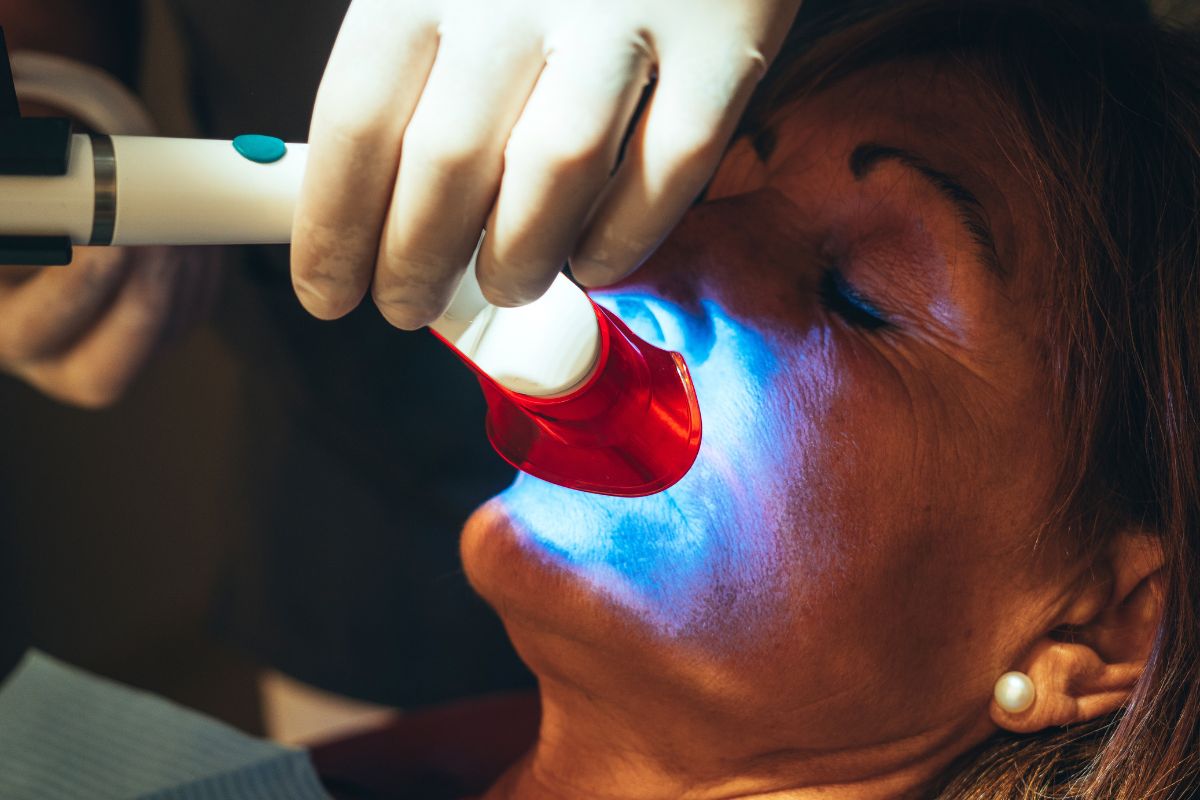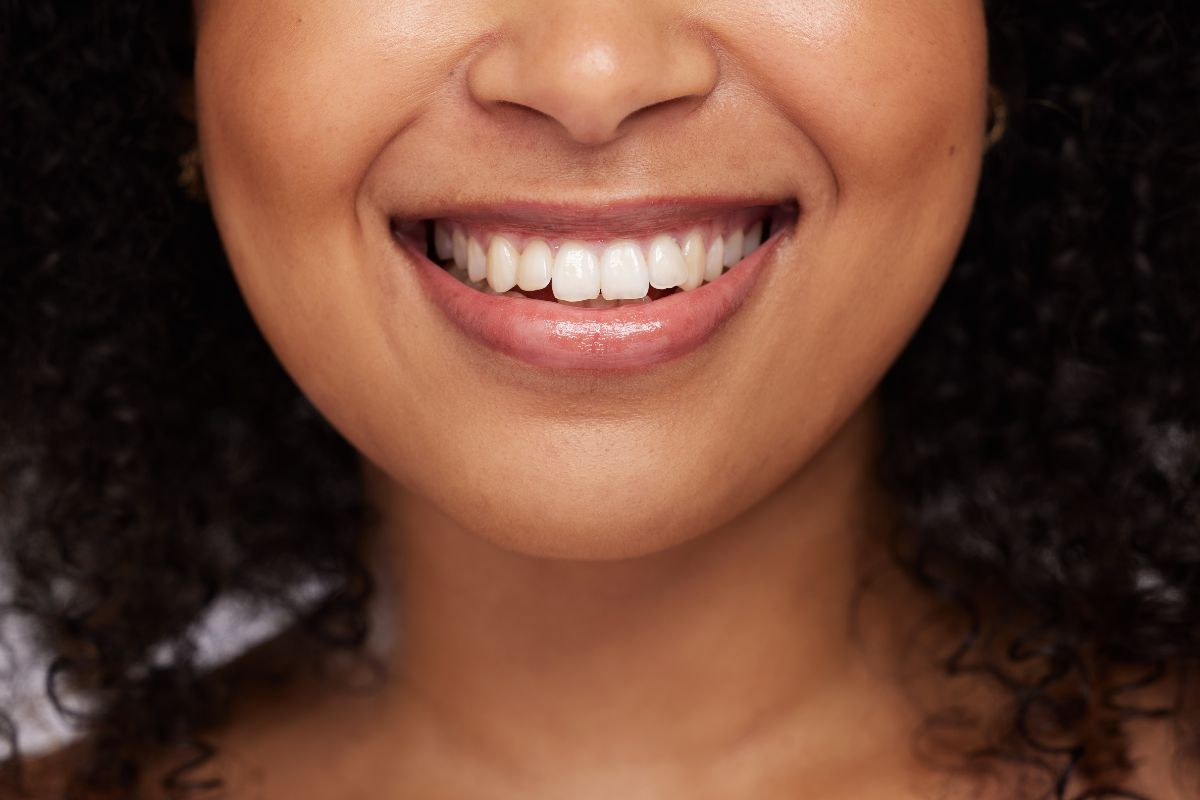


Most people think of teeth whitening as a purely cosmetic thing. Get a brighter smile, look better in photos, that’s about it, right? Not quite. Teeth whitening Austin dentists provide involves a lot more than just bleach and a brighter shade; the process itself clears out buildup and bacteria that affect your mouth well beyond how it looks. Sounds surprising? It shouldn’t. Let’s break down what’s actually happening in there.
Wait, Isn’t Whitening Just Cosmetic?
Fair question. But whitening isn’t just bleach applied to bare enamel and nothing else. The full process- the cleaning, the polishing, the way it’s actually done- has real, physical effects on your mouth beyond just color. Let’s get into it.
1. It Clears Out Tartar Buildup First
Before any whitening treatment starts, your dentist runs a proper cleaning to remove tartar and plaque sitting on your teeth. Whitening agents can’t work evenly over tartar anyway, so that hardened buildup has to go first. Net result? You walk out with tartar removed, not just a whiter smile. This is one of the biggest, most overlooked perks of teeth whitening in Austin: the cleaning step does real work on its own.
2. It Cuts Down on Surface Bacteria
Plaque isn’t just a stain; it’s a colony of bacteria clinging to your teeth. The scaling and polishing that comes before whitening physically scrapes that bacterial layer off. Less bacteria sitting on your enamel means less acid production, and less acid means less enamel erosion over time.
3. It Smooths Rough Enamel So Bacteria Can’t Grip as Easily
Stains from coffee, tea, or wine roughen up the surface of your enamel over time. That rough texture gives bacteria more grooves to hide in and hold onto. This is one area where teeth whitening Austin clinics really earn their keep: the whitening and polishing smooth that surface back out, which makes it genuinely harder for bacteria to reattach and rebuild.
4. It Catches Gum Disease and Decay Early
Before whitening even begins, your dentist checks your gums and teeth for signs of decay or early gum disease. Why? Because whitening over inflamed gums or untreated cavities can make things worse. That check-up step ends up catching problems before they turn into something bigger, sometimes issues you didn’t even know were there.
5. It Avoids the Enamel and Gum Damage DIY Methods Cause
A lot of at-home whitening hacks- baking soda scrubs, charcoal powders, lemon juice rinses- are actually abrasive or acidic enough to wear down enamel and irritate gum tissue. That damaged enamel becomes rougher, weaker, and more prone to bacteria buildup down the line. Professional teeth whitening near Austin skips all of that, using controlled formulas that protect the tooth structure instead of stripping it.
6. It Comes With Fluoride Application for Stronger Enamel
Most professional whitening sessions include a fluoride treatment afterward. Fluoride helps re-strengthen enamel and makes it more resistant to decay and bacterial acid attacks going forward. That’s a direct, measurable benefit to your oral health, not just a cosmetic touch-up.
What About Sensitivity?
Yeah, this comes up a lot. Some people experience temporary sensitivity after whitening treatments, especially with stronger formulas. It usually fades within a day or two. Your dentist can also recommend desensitizing treatments if needed, so it’s not something you just have to push through blindly.
In-Office vs At-Home Options
Professional in-office whitening tends to work faster and more evenly, often with noticeable results in a single visit. At-home kits provided by your dentist, using custom trays, take longer but still deliver solid, controlled results without the guesswork of store-bought products.
Either way, going through a licensed provider of teeth whitening in Austin means the tartar removal, bacteria cleanup, and enamel protection all happen under proper supervision, not guesswork.
Not Just About Looking Good
At the end of the day, whitening isn’t just a vanity treatment. The cleaning that comes with it clears out tartar and bacteria, the check-up catches hidden issues early, and the fluoride step leaves your enamel stronger than before. That’s real, physical benefit to your mouth, not just a shade change.
FAQ: Frequently Asked Questions
Q: Is teeth whitening safe for your enamel?
Professional whitening treatments are formulated to minimize enamel damage, especially compared to unregulated at-home methods. Your dentist monitors the process to keep it safe.
Q: How long do whitening results typically last?
Results usually last anywhere from six months to two years, depending on your diet, habits, and how well you maintain your oral care routine afterward.
Q: Does whitening work on all types of teeth stains?
Not always. Surface stains from food and drink respond well, but deeper discoloration from medication or trauma may need alternative treatments like veneers or bonding.
Q: Can I whiten my teeth if I have cavities?
It’s best to treat cavities first. Whitening over untreated decay can cause increased sensitivity and may not produce even results.
Q: Is in-office whitening worth it compared to store-bought kits?
For most people, yes. In-office treatments are stronger, more controlled, and monitored by a professional, which reduces the risk of uneven results or enamel damage.
Q: Does whitening actually remove tartar and germs, or just stains?
The bleaching agent itself targets stains, but the professional cleaning that comes before any teeth whitening near Austin session removes tartar and physically scrapes away bacterial buildup. Together, that’s a real, direct improvement to your oral health, not just a color change.
Ready for a Cleaner, Healthier Smile?
Whitening through a proper dentist for teeth whitening in Austin isn’t just about a brighter shade. It’s tartar removed, bacteria cleared out, and enamel left stronger afterward. If you’ve been putting off treatment, or just want to see what options make sense for your teeth. Book an appointment or visit our clinic at 607 1st Dr NW, Austin, MN 55912, and bring freshness into your smile.