
Dental implants have transformed the way missing teeth are restored. They offer stability, natural appearance, and long-term function that closely mimics real teeth. A common question patients ask is whether implants can be placed in both the upper and lower jaws at the same time—or even at all. The answer is encouraging: in many cases, yes, it is entirely possible.
Understanding how this works, who qualifies, and what to expect can help you make an informed decision about restoring your smile.
Understanding Dental Implants in Both Jaws
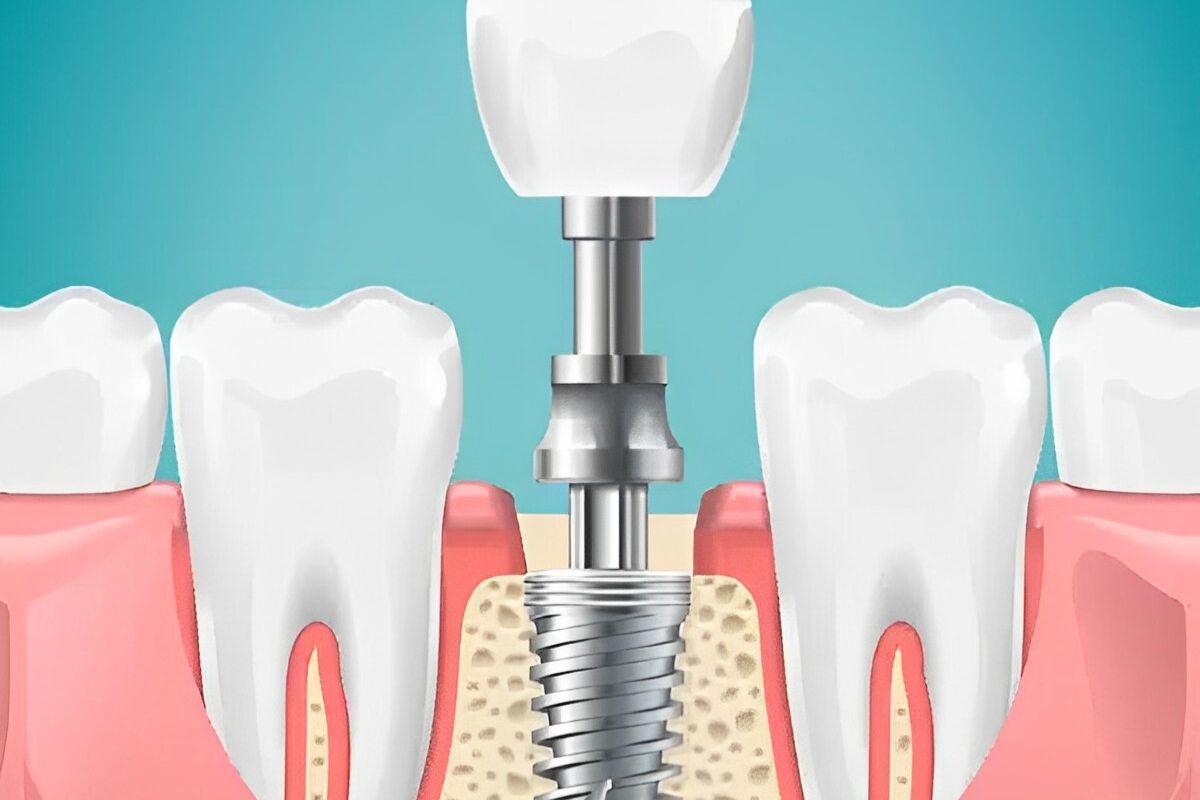
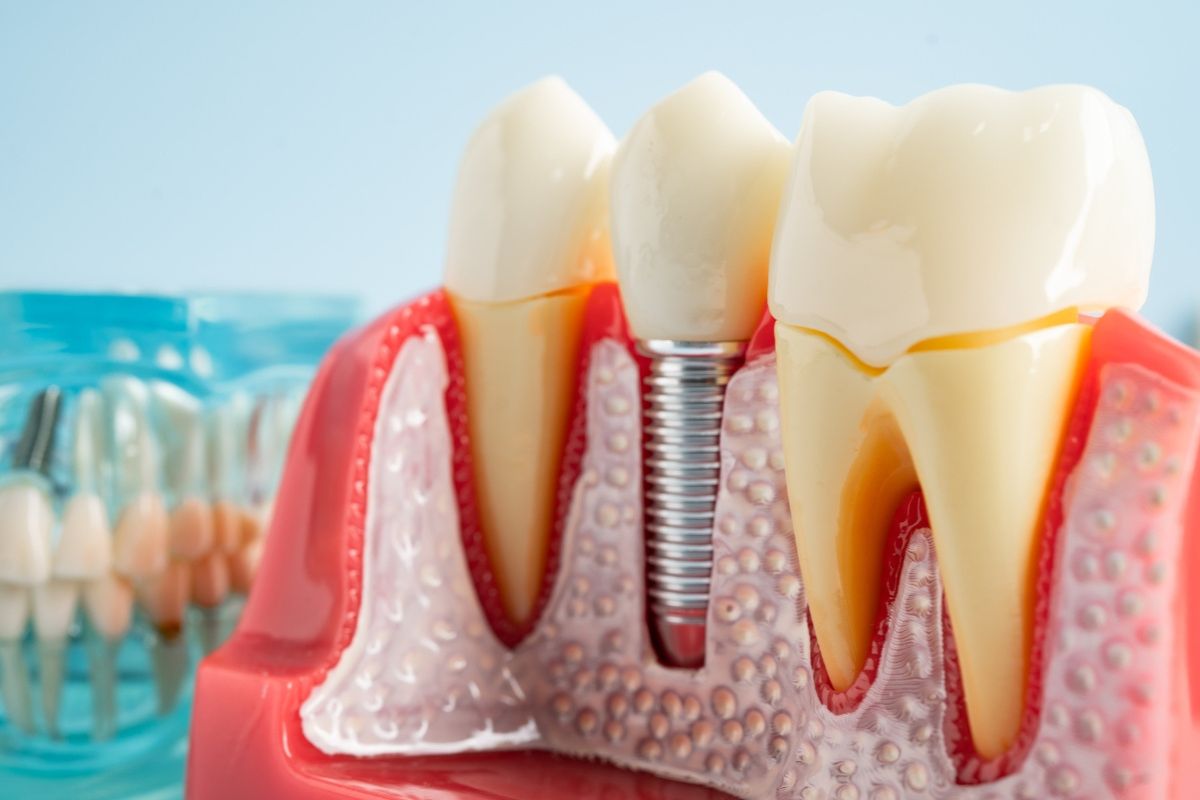
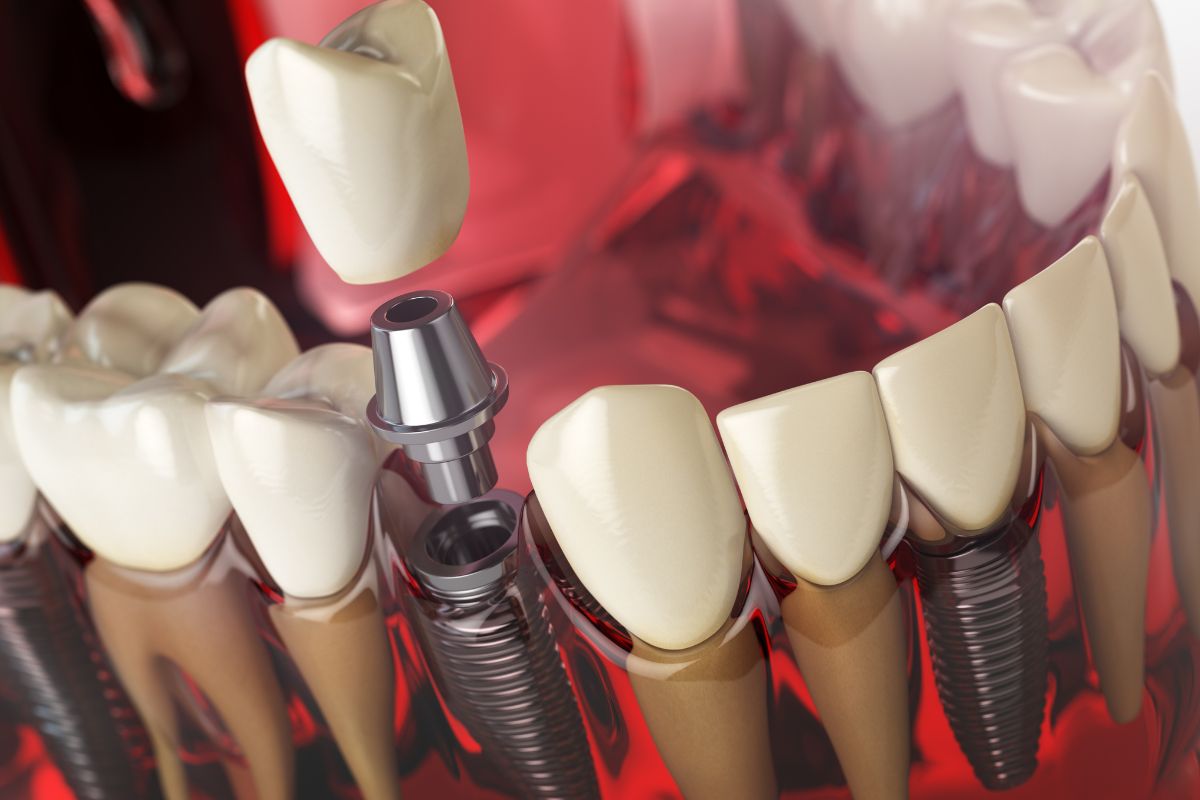
Dental implants are small titanium posts placed into the jawbone. They act as artificial tooth roots and support crowns, bridges, or full-arch restorations.
When both the upper (maxillary) and lower (mandibular) jaws are missing teeth, implants can be used in each arch to restore full function. This approach is often referred to as full-mouth rehabilitation.
Why Treat Both Jaws?
- Restores complete chewing ability
- Improves facial structure and support
- Prevents uneven bite pressure
- Enhances overall oral health
Treating both jaws together creates balance and ensures your bite functions properly.
Differences Between Upper and Lower Jaw Implants
While implants can be placed in both jaws, the procedure may vary slightly due to anatomical differences.
Upper Jaw Considerations
- Bone is softer and less dense
- May require additional support procedures like bone grafting or sinus lift
- Healing may take slightly longer
Lower Jaw Considerations
- Bone is denser and stronger
- Typically provides better implant stability
- Faster integration in many cases
Can Implants Be Done at the Same Time?
Yes, implants can often be placed in both jaws during the same treatment plan. This depends on:
- Overall oral health
- Bone density and volume
- Healing capacity
- Presence of gum disease
Some patients receive implants in stages, while others may qualify for same-day or immediate placement techniques.
Candidacy for Full-Mouth Implants
Not everyone is automatically a candidate for implants in both jaws. A thorough dental evaluation is necessary.
Ideal Candidates Typically Have:
- Healthy gums
- Sufficient jawbone or ability to support grafting
- Good overall health
- Commitment to oral hygiene
Age is also a factor. Dentists often assess what is commonly referred to as the appropriate age threshold for implant placement, ensuring jaw growth is complete before proceeding.
What If Bone Loss Is Present?
Bone loss is common in patients missing teeth for a long time. Fortunately, modern dentistry offers solutions:
- Bone grafting to rebuild jaw structure
- Sinus lift procedures for upper jaw support
- Use of angled implants to maximize existing bone
These techniques allow more patients to qualify for implants than ever before.
Realistic Expectations and Results
When both jaws are restored with implants, patients often notice:
- Improved chewing efficiency
- Better speech clarity
- Increased confidence
- Long-term durability
For individuals exploring options similar to dental implants in Austin, MN, full-mouth implant solutions are often designed to provide both function and aesthetics tailored to individual needs.
Recovery and Healing Process
Healing plays a crucial role in implant success. After placement:
- Implants fuse with bone (osseointegration)
- Temporary restorations may be used
- Final restorations are placed after healing
Healing Timeline Overview
| Stage | Timeframe |
|---|---|
| Initial healing | 1–2 weeks |
| Bone integration | 3–6 months |
| Final restoration | After integration |
Patients should follow post-care instructions carefully to ensure long-term success.
Trending FAQs
1. Can you get implants in both jaws at once?
Yes, in many cases implants can be placed in both jaws during one treatment plan.
2. How many implants are needed for full mouth restoration?
It varies, but typically 4–8 implants per arch are used depending on the case.
3. Are upper jaw implants harder than lower jaw implants?
Yes, due to softer bone in the upper jaw, additional procedures may be required.
4. How long do full-mouth implants last?
With proper care, implants can last many years or even decades.
5. Is recovery longer when both jaws are treated?
Recovery may feel more involved, but healing timelines are generally similar.
Key Benefits of Treating Both Jaws Together
Choosing to restore both jaws at once offers several advantages:
- Balanced bite alignment
- Reduced overall treatment timeline
- Consistent aesthetic results
- Improved long-term oral stability
This comprehensive approach ensures that your smile functions as a complete system rather than separate parts.
Personalized Treatment Planning Matters
Every patient’s situation is unique. Dentists consider multiple factors before recommending implants in both jaws, including bone health, medical history, and lifestyle habits.
If you are searching for a dentist near Austin, MN, it’s important to consult with a professional who can evaluate your condition and guide you through a personalized treatment plan designed for long-term success.
Restoring both the upper and lower jaws with dental implants is not only possible but often highly effective. With advancements in technology and treatment planning, more patients can achieve a stable, natural-looking smile that supports everyday function and confidence. The key lies in proper evaluation, expert care, and a tailored approach that meets your specific needs. To take the next step toward a healthier smile, schedule your consultation today.