
Have you ever wondered if your age could stand in the way of a confident smile? Dental implants offer a reliable way to replace missing teeth. They blend seamlessly with your natural look. Yet, age plays a key role in who qualifies. This post dives into how teens and seniors differ in eligibility. We’ll cover essential factors to help you decide.
Understanding Dental Implants Basics
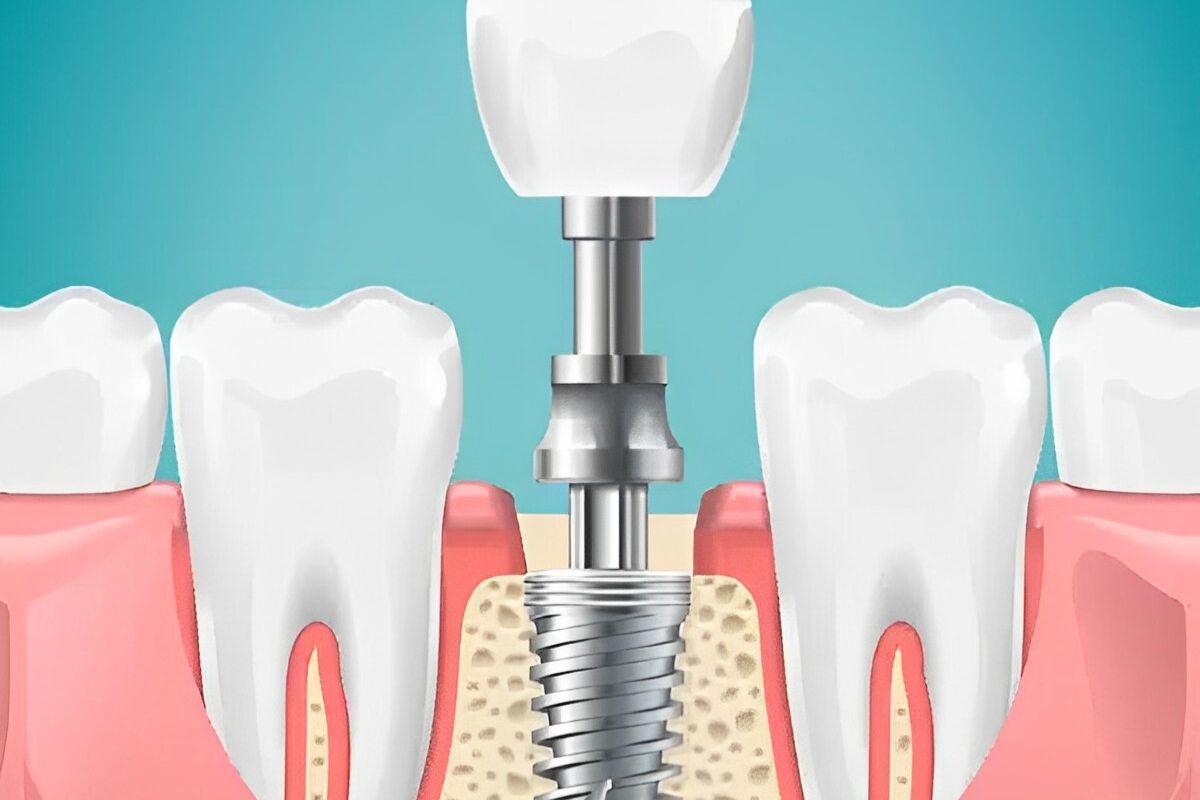
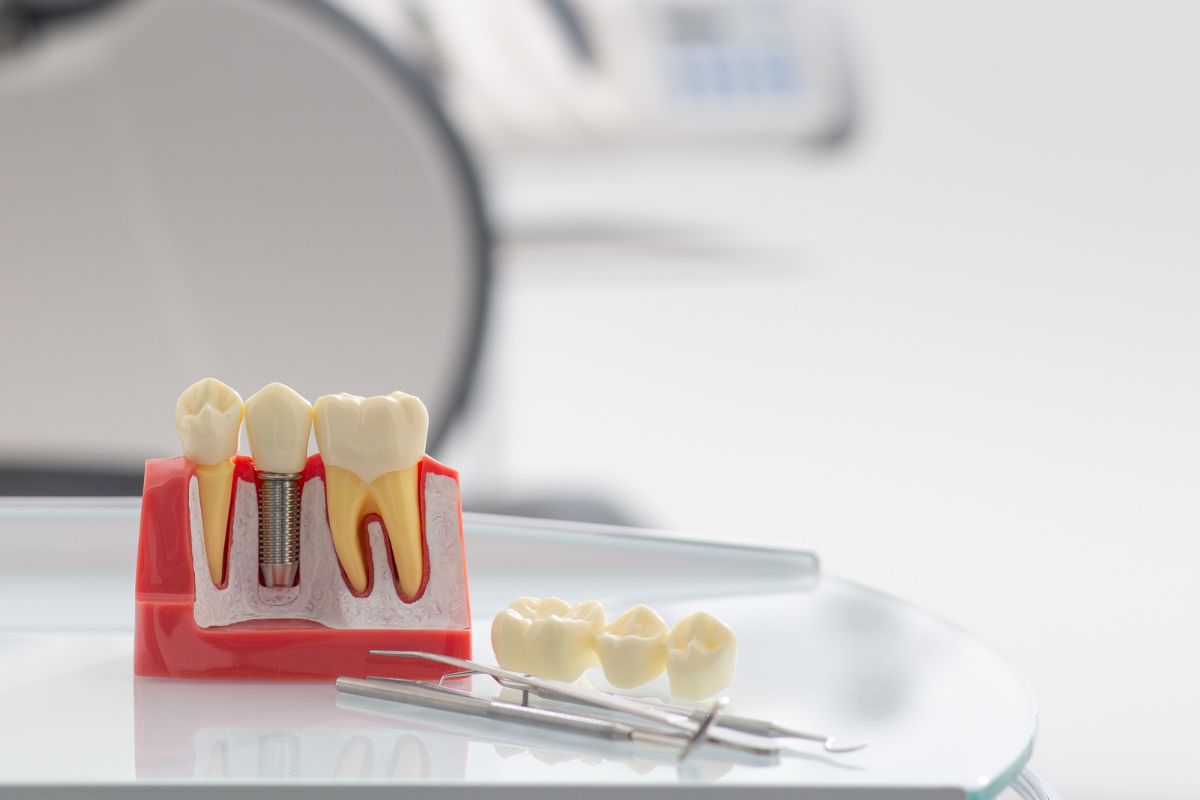
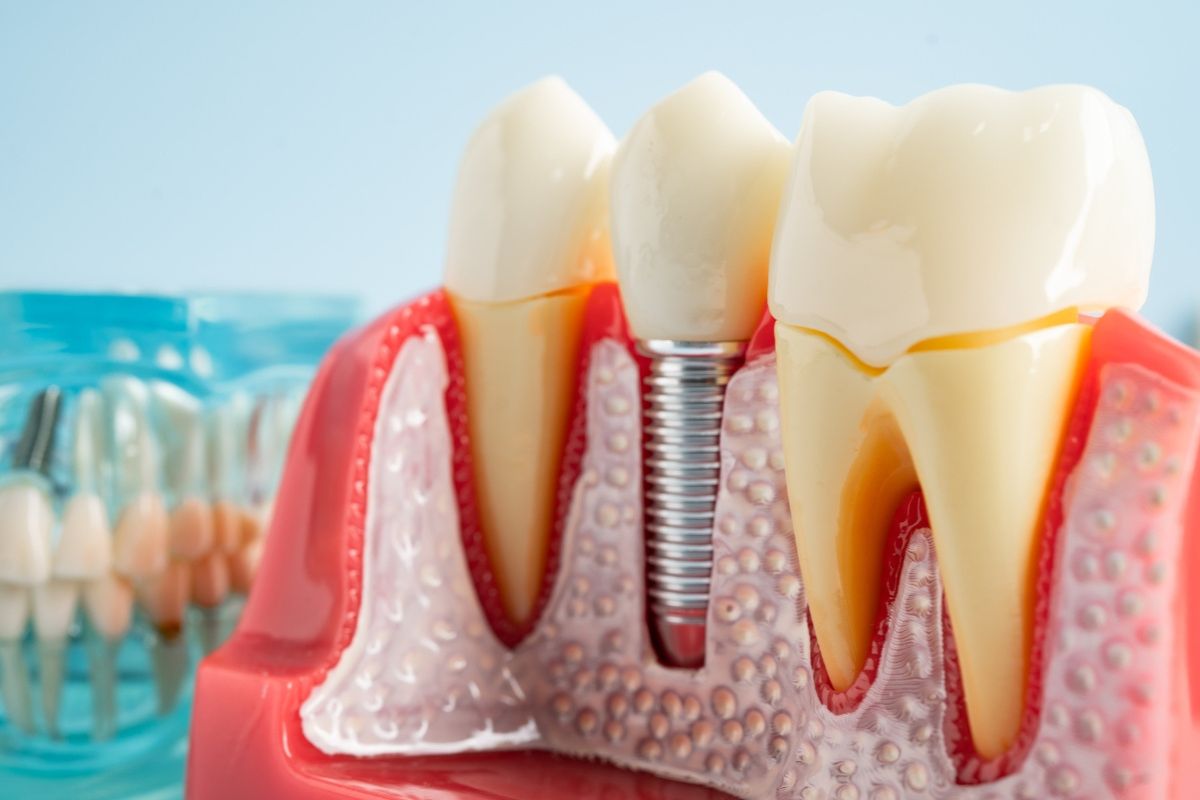
Dental implants act as artificial roots. They support crowns or bridges. Made from titanium, they fuse with your jawbone. This process, called osseointegration, ensures stability. Good candidates need healthy gums and enough bone. Age alone doesn’t disqualify you. Overall health matters more.
Implants restore function and aesthetics. They prevent bone loss over time. Many people choose them for long-term benefits. Consult a professional to assess your case.
Eligibility Considerations for Teens
Teens often face unique hurdles with implants. Jaw growth continues into late adolescence. Implants placed too early can shift as bones develop. Dentists typically wait until growth stops.
For girls, this happens around 16 to 18. Boys may need until 18 to 21. Premature placement risks misalignment. Alternatives like bridges serve as temporary fixes.
Teens with missing teeth from injury or genetics benefit later. Patience ensures better outcomes. Regular check-ups monitor progress.
Key Factors Influencing Implant Success Across Ages
Bone density affects everyone. It supports the implant post. Younger people often have denser bones. This aids fusion.
Health conditions impact eligibility too. Diabetes or smoking can slow healing. Maintain good oral hygiene for the best results.
Lifestyle choices play a part. A balanced diet boosts bone health. Exercise supports overall wellness.
Eligibility Insights for Seniors
Seniors can thrive with implants. No strict upper age limit exists. Many in their 70s or 80s succeed.
Bone loss from aging is common. Grafts can rebuild it if needed. Healing may take longer, but success remains high.
Seniors with stable health qualify well. Implants improve chewing and speech. They enhance quality of life.
Address any chronic issues first. A thorough evaluation ensures safety.
Local experts tailor treatments for dental implants in Austin, MN. They focus on individual needs.
Common Challenges and Solutions
Implant crowns can develop issues over time. Watch for symptoms of loose dental implant crowns, such as discomfort or odd sensations. Early detection prevents complications.
Regular maintenance helps. Clean around implants daily. Schedule professional cleanings.
For teens, delayed treatment avoids risks. Seniors manage with supplements for bone support.
Trending FAQs on Dental Implant Age Eligibility
Here are some frequently asked questions based on what people often search on Google:
- What is the minimum age for dental implants?
Most dentists recommend waiting until at least 18, when jaw growth is typically complete. This varies by individual development. - Is there an upper age limit for dental implants?
No, there’s no maximum age. Seniors in good health, even in their 90s, can qualify if their bones and gums support the procedure. - Can teens get dental implants?
Teens usually wait until jaw maturity, around 16-21 years old. Early placement may lead to misalignment as bones grow. - At what age is it best for dental implants?
The ideal range is often 25-50, when bone density peaks and health is stable, but eligibility depends on personal factors. - Do dental implants work well for seniors?
Yes, with success rates over 90% in older groups. Bone grafts address density loss, making them viable for many.
Dental Implant Success Rates by Age Group
Success depends on age-related factors. Here’s a table with key statistics from studies:
| Age Group | Success Rate (%) | Key Notes |
|---|---|---|
| 18-30 | 90-95 | Higher risk if jaw not fully developed; wait advised. |
| 30-45 | 95-98 | Peak bone density; often highest success. |
| 46-65 | 92-96 | Stable health supports good outcomes. |
| 65+ | 92-97 | Bone loss is possible; grafts improve rates. |
These figures show implants work across ages.
Maintaining Implants Long-Term
- Care routines differ by age. Teens focus on growth monitoring. Seniors prioritize bone health.
- Brush twice daily. Floss around implants. Avoid hard foods initially.
- Follow-up visits catch issues early. This keeps your smile strong.
If you are searching for a “dentist near me” in Austin, MN, consider local options for personalized evaluations. They address age-specific concerns effectively.
Dental implants transform lives at any stage. They offer durability and comfort. Ready to explore? Call 507-437-6312 to schedule an appointment today. Your brighter smile awaits.