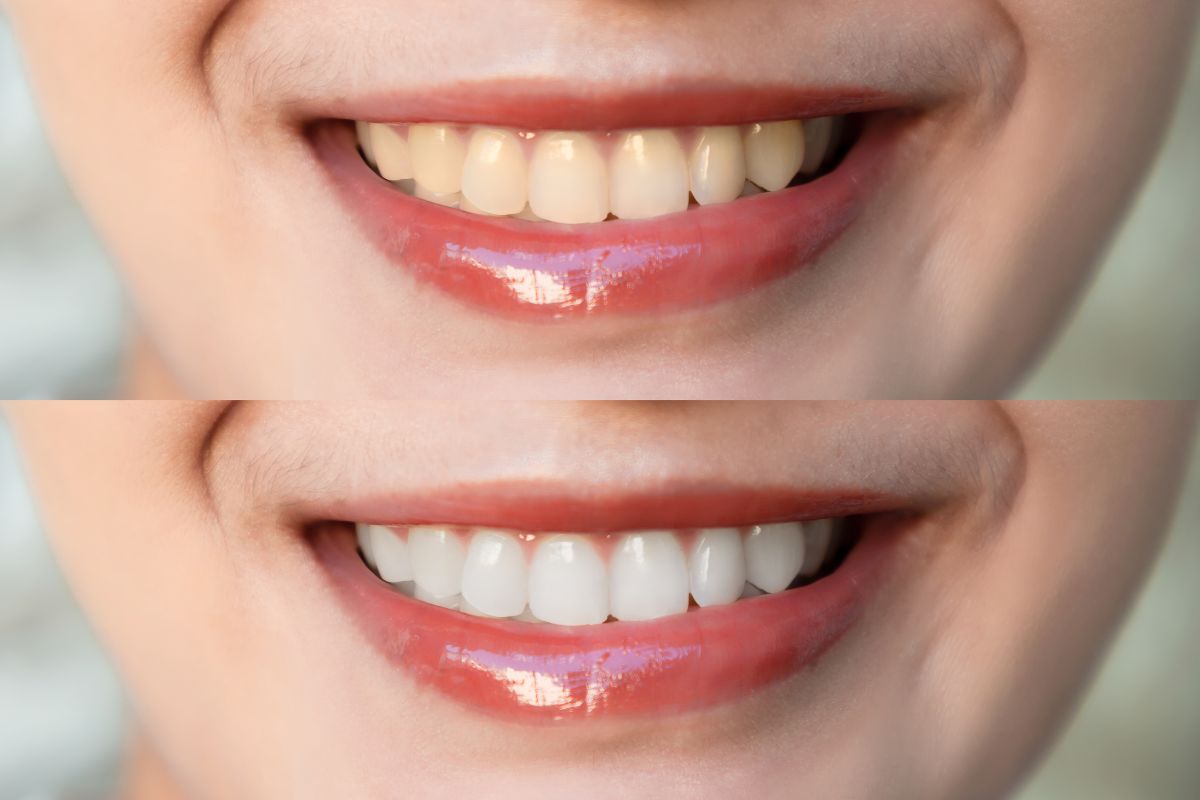

Smoking is a habit that impacts more than just your lungs and overall health—it can take a toll on your smile, too. For those dreaming of a brighter, whiter set of teeth, understanding how smoking interferes with teeth whitening is the first step toward reclaiming your confidence. This blog dives into the science behind the stain, explores the challenges smokers face with whitening treatments, and offers practical, expert-backed strategies to reverse the damage. Whether you’re a long-time smoker or just curious about maintaining a dazzling smile, you’ll find actionable insights here to guide your journey.
The Impact of Smoking on Tooth Color
Smoking introduces a range of chemicals, especially tar and nicotine, that cling to tooth enamel. Over time, these substances create stubborn yellow or brown stains. Unlike surface stains from coffee or tea, smokers’ stains penetrate deeper, making them harder to remove. Enamel, the outer layer of your teeth, becomes rougher with exposure, trapping more discoloration. Studies show that regular smokers often notice a significant darkening within months. This process doesn’t just affect appearance—it can weaken enamel, increasing sensitivity and vulnerability to decay.
Why Teeth Whitening Is Challenging for Smokers
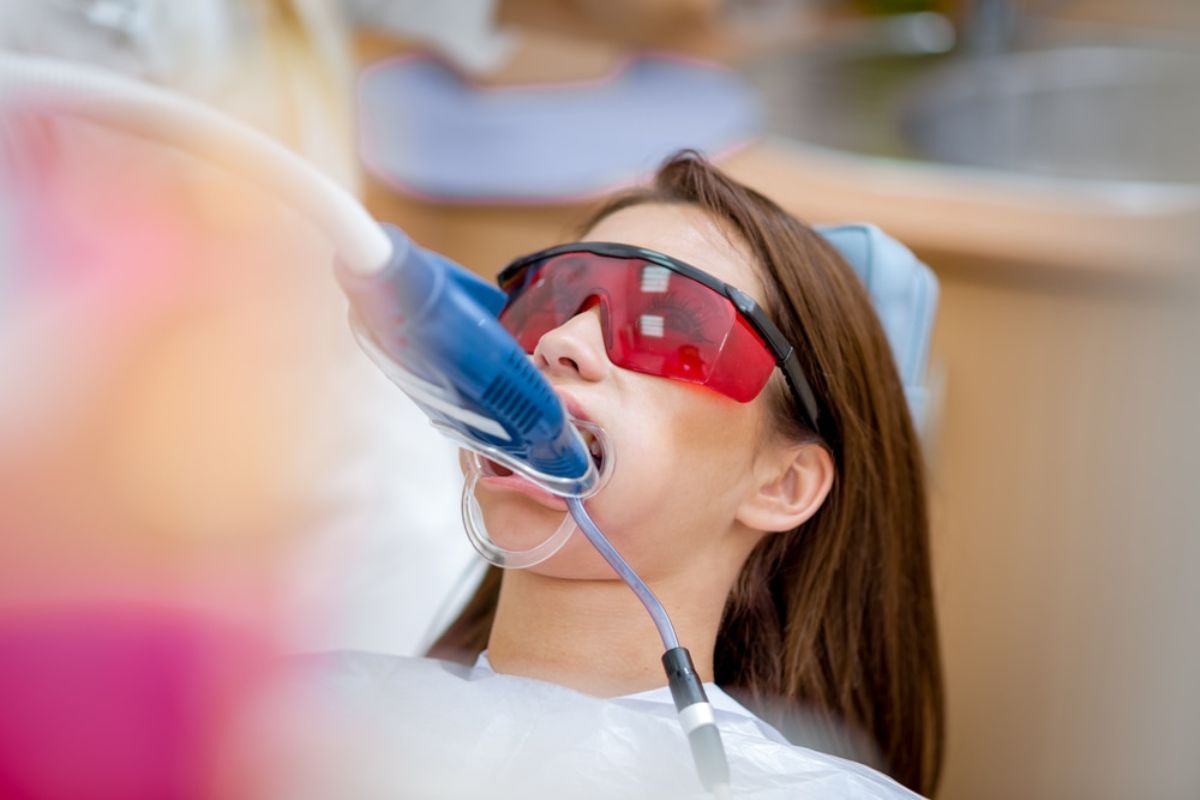
Teeth whitening treatments in Austin, MN, like bleaching gels or professional cleanings, struggle against smoker-related stains. The deep penetration of tar and nicotine reduces the effectiveness of over-the-counter products. Professional whitening at a dental office can help, but results may fade quickly if smoking continues. The habit also promotes plaque buildup, which can counteract whitening efforts. Dentists note that smokers often need more frequent treatments or stronger solutions, requiring a tailored approach to see lasting results.
How Smoking Undermines Long-Term Whitening Results
Even after a successful whitening session, smoking can undo progress fast. Nicotine and tar reattach to teeth within days, dimming your bright smile. This cycle frustrates many who invest time and effort in whitening. Additionally, smoking dries out your mouth, reducing saliva flow. Saliva naturally cleans teeth and fights stains, so less of it means more discoloration over time. Breaking this cycle requires both quitting smoking and adopting a solid oral care routine.
Strategies to Reverse Smoking’s Effects on Your Teeth
Reversing the damage starts with a proactive plan. Here are some expert tips:
- Quit Smoking: The most effective step is to stop smoking. This halts new stain formation and allows whitening treatments to work better.
- Professional Cleaning: Visit a dentist for a deep cleaning to remove built-up tartar and stains.
- Whitening Treatments: Opt for dentist-supervised bleaching or laser whitening for stronger, safer results.
- Daily Oral Care: Brush twice daily with a whitening toothpaste and floss to remove plaque. Use an antiseptic mouthwash to kill bacteria.
- Diet Adjustments: Cut back on staining foods like berries or soda while boosting water intake to rinse your mouth naturally.
Consistency is key. Pair these habits with regular dental checkups to monitor progress and adjust your plan.
The Role of a Cosmetic Dentist Near Me in Restoration
For smokers seeking a brighter smile, a “cosmetic dentist near you” can make a big difference. These specialists offer customized whitening plans, often combining professional treatments with at-home care kits. They can also address enamel damage or sensitivity caused by smoking. Look for a dentist with experience in cosmetic procedures, such as veneers or bonding, if stains are too severe for whitening alone. Scheduling a consultation lets you discuss your goals and get a personalized strategy to restore your teeth’s natural luster.
Trending FAQs on Smoking and Teeth Whitening
People often have questions about this topic. Here are some trending FAQs based on common searches:
- Does smoking ruin teeth whitening? Yes, smoking reintroduces stains and reduces the longevity of whitening results.
- Can smokers whiten their teeth effectively? Yes, but it requires professional treatments and quitting or reducing smoking for the best outcomes.
- How long after quitting smoking will my teeth whiten? Noticeable improvement can start within weeks, though full results may take months with proper care.
- Are there home remedies for smokers’ teeth? Baking soda or hydrogen peroxide can help mildly, but professional guidance is safer and more effective.
- Can a dentist help with smoking-stained teeth? Absolutely, dentists offer specialized cleanings and whitening to tackle deep stains.
These answers reflect current insights and aim to address your concerns directly.
Maintaining Your Whitened Smile Post-Treatment
After whitening, protecting your results is crucial. Avoid smoking for at least 48 hours post-treatment to let the enamel stabilize. Use a straw for staining drinks like coffee to minimize contact with teeth. Consider touch-up whitening trays provided by your dentist every few months. Regular brushing with a desensitizing toothpaste can also ease any sensitivity. Staying committed to these habits ensures your smile stays bright despite past smoking habits.
Lifestyle Changes to Support Teeth Whitening
Beyond oral care, lifestyle tweaks can enhance your whitening efforts. Increase your water intake to wash away stain-causing particles. Chew sugar-free gum to boost saliva production and clean your teeth naturally. If quitting smoking feels daunting, seek support through counseling or nicotine replacement options. These changes not only aid whitening but also improve overall oral health, giving you a healthier mouth in the long run.
When to Consult a Dental Professional
If stains persist or you notice pain, sensitivity, or gum issues, it’s time to see a dentist. They can assess whether smoking has caused enamel erosion or other damage needing repair. Early intervention prevents worsening conditions. A professional can also recommend advanced options like porcelain veneers if whitening alone isn’t enough. Don’t hesitate to reach out for expert advice tailored to your situation.
Partnering with a Cosmetic Dentist Near Me for Lasting Results
Working with a cosmetic dentist offers personalized care to overcome smoking’s effects. They can track your progress, adjust treatments, and provide ongoing support. Look for someone who listens to your needs and offers clear, actionable advice. A strong dentist-patient relationship ensures you achieve and maintain the bright smile you deserve.