


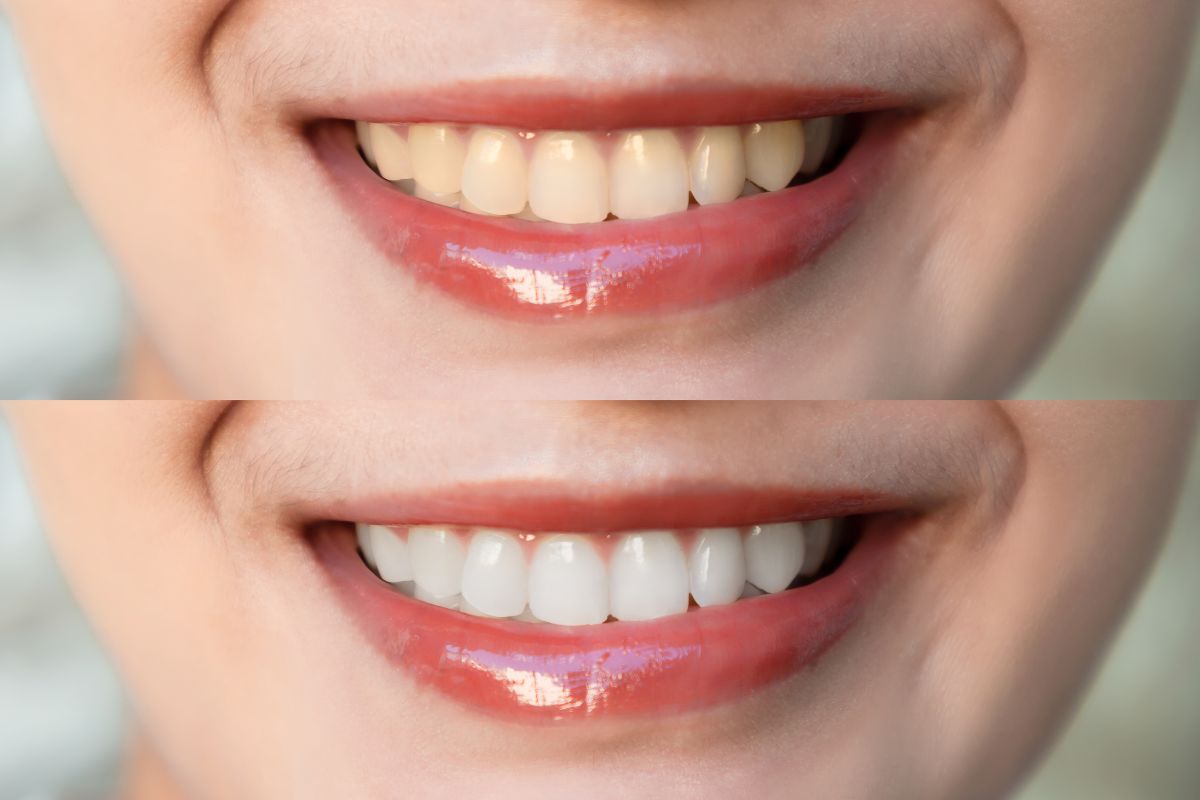
If you’re dreaming of a brighter smile, it’s easy to assume you simply need to whiten more often. But when it comes to teeth whitening, timing matters. Repeating treatments too soon or too frequently can compromise enamel integrity, increase sensitivity, and even reduce the effectiveness of your efforts. This blog post unpacks how often whitening makes sense, what factors affect the schedule, and how you can protect your smile while achieving the desired brightness.
Why Frequency Matters
Teeth whitening treatments in Austin, MN—whether in-office or at-home—use bleaching agents (often hydrogen peroxide or carbamide peroxide) that act by penetrating the enamel and dissolving stain molecules beneath the surface. Because these agents temporarily alter the tooth structure, they may also increase sensitivity or cause enamel softening if overused.
In short, the stronger the treatment and the more often you use it, the greater the potential risk. That’s why a thoughtful interval between whitening sessions is key to safe results.
Recommended Intervals for Whitening
In-Office Professional Whitening
When whitening is done under professional supervision, using stronger bleaching agents and perhaps light or laser activation, the guidance is relatively conservative. Many providers suggest waiting 12 to 18 months between full professional treatments. Some sources indicate a minimum of six months might suffice under certain conditions, but overall, the one-year interval remains standard.
At-Home Kits and Over-the-Counter Products
For whitening via trays, strips, or take-home gels (lower concentration than in-office), the frequency is higher—but caution remains warranted. General guidance shows:
- At-home kits: every 6 to 12 months.
- Over-the-counter whitening strips or gels: every 3 to 6 months, depending on strength and habits.
A Quick Reference Table
| Treatment type | Typical safe interval |
|---|---|
| In-office bleaching | ~12–18 months |
| Dentist-supervised at-home kit | ~6–12 months |
| Over-the-counter strips/gels | ~3–6 months (with caution) |
What Affects How Often You Should Whiten?
Several lifestyle and oral-health factors influence how long whitening results last and how soon you might need—or should avoid—a repeat treatment:
- Staining habits: Frequent consumption of coffee, tea, red wine, or dark sodas accelerates discoloration. Similarly, smoking has a significant impact.
- Enamel condition and sensitivity: If your enamel is already thin or you have gum recession, whitening too often may heighten discomfort.
- Existing dental restorations: Crowns, veneers, or fillings don’t respond to bleaching in the same way as natural enamel, so overall aesthetics and uniformity matter.
- Oral hygiene and maintenance: Good brushing, regular check-ups, and stain-control habits extend your results.
- Effect of smoking after teeth whitening — smoking not only re-stains the enamel rapidly, but it may also reduce how long the whitening effect lasts and increase sensitivity, meaning more frequent treatments might be needed (which in turn increases risk).
Signs You May Be Whitening Too Often
If you experience any of the following, it’s likely time to pause whitening and revisit your care strategy:
- Heightened tooth sensitivity or pain when eating or drinking hot/cold.
- Gums that appear dry or irritated after treatment.
- Teeth that look overly translucent, gummy, or uneven in shade.
- Repeated bleaching cycles without achieving change in color—this may signal enamel saturation or underlying issues.
Trending FAQs
Here are some of the commonly asked questions people have around whitening frequency and safe practices:
- How long before I can whiten my teeth again?
You should typically wait about 12 months after a professional treatment, or 6–12 months after an at-home kit, as advised above. - Can I whiten my teeth every few months?
For over-the-counter kits, some guidance permits every 3–6 months, but only with product instructions and if you have no sensitivity. - Does whitening damage enamel?
It can, if overused. The risk includes enamel surface roughening, increased sensitivity, and decreased mineral density. - Will whitening work on crowns or veneers?
No—the treatment affects natural enamel only. You’ll need to factor restoration color into your plan. - How long do whitening results last?
It varies with lifestyle. Results from in-office treatments may last up to a year or more; at-home treatments may need touch-ups sooner.
Best Practices for Safe and Effective Whitening
- Before starting any whitening, schedule a dental exam so your provider can assess enamel health, gums, restorations, and any sensitivity.
- Follow product instructions or the dentist’s recommendations closely. Do not double the dose or duration to “speed up” results.
- After whitening, avoid heavily staining foods/drinks (coffee, wine, berries, dark sauces) for at least 48 hours, as enamel may be temporarily more receptive to stains.
- Use a gentle, non-abrasive toothpaste and maintain strong daily oral‐hygiene habits to prolong your whitening outcome.
- Inform your dental professional of your whitening history and frequency during each cleaning or check-up—this ensures safe continuity.
If you are searching for a cosmetic dentist near Austin, MN, choose someone experienced in whitening treatments and who emphasizes enamel safety and tailored intervals.
A stunning white smile is a wonderful boost—but it’s equally important to protect your enamel and oral health. With the right schedule—typically around once a year for professional whitening, and judicious touch-ups for at-home kits—you’ll enjoy safe, long-lasting results. Don’t rush the process; listen to your teeth and gums, adhere to best practices, and avoid repeating treatments too soon. Ready to take the next step? Call 507-437-6312 to schedule an evaluation and design a whitening plan that respects your smile’s health and longevity.


