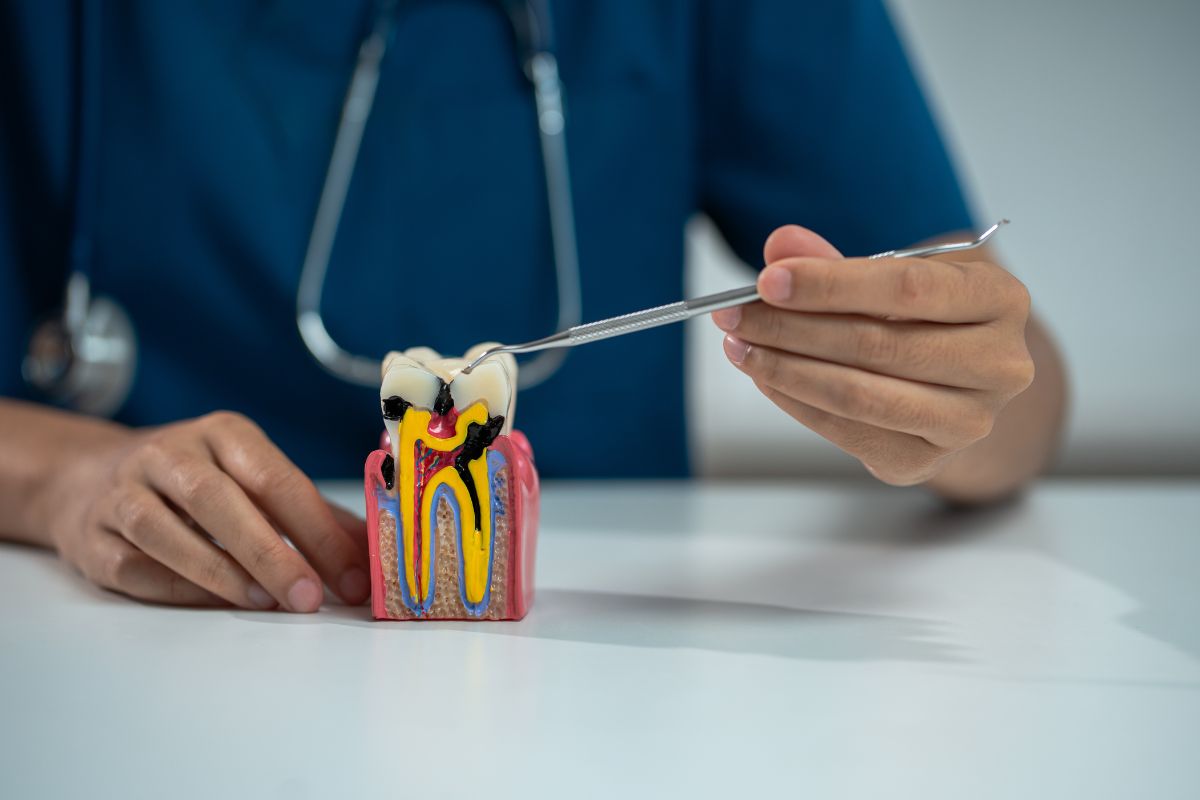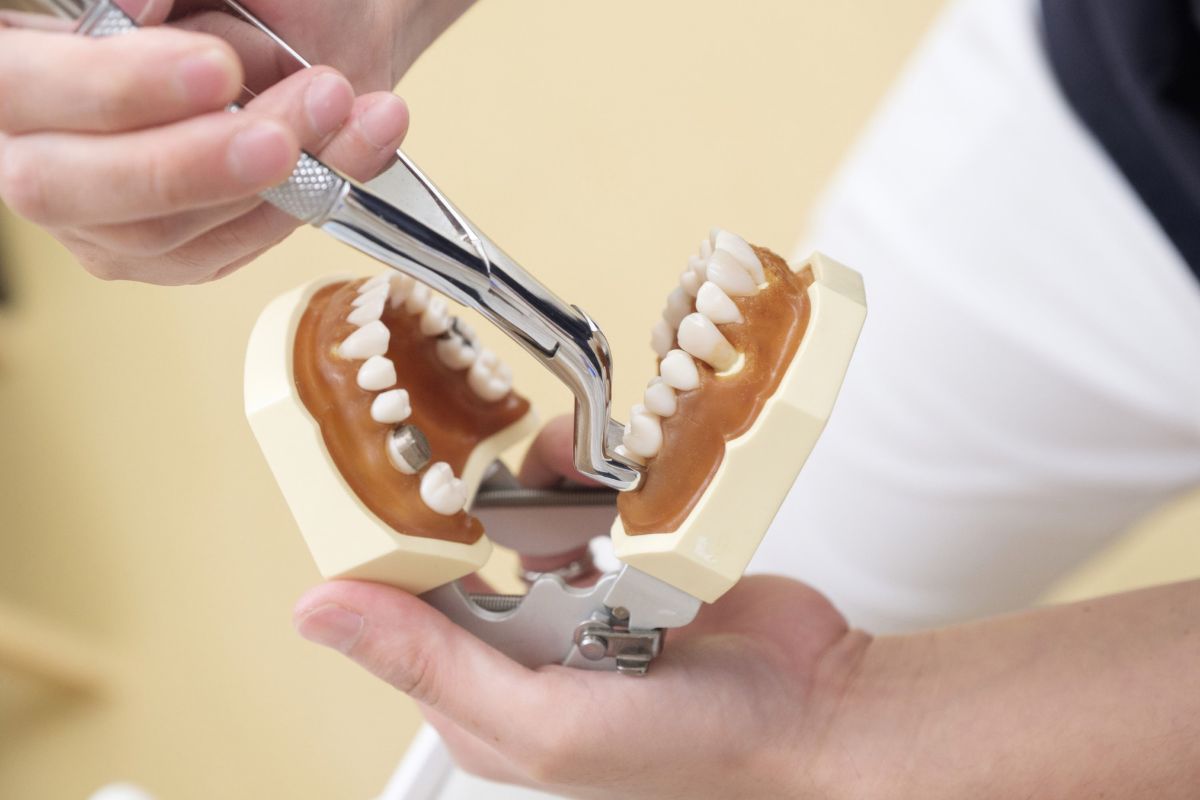


A healthy natural tooth is always the preferred option. Modern dentistry focuses on preserving teeth whenever possible. However, there are situations when removing a tooth becomes the safest and most effective way to protect your oral health. Many patients wonder whether persistent pain, severe damage, or infection means a tooth must come out. Understanding the signs can help you make informed decisions and seek treatment before complications develop. Knowing when extraction is necessary can prevent discomfort, improve oral function, and support your long-term dental health.
Why Would a Tooth Extraction Be Necessary?
A tooth extraction is typically recommended only when other treatment options are no longer effective. Dentists carefully evaluate the condition of the tooth, surrounding tissues, and overall oral health before making this recommendation.
Common reasons a tooth may need to be removed include:
- Extensive tooth decay
- Severe dental infection
- Advanced gum disease
- Impacted wisdom teeth
- Tooth fractures below the gumline
- Overcrowding before orthodontic treatment
- Trauma caused by accidents or sports injuries
The goal is always to prevent further damage and maintain the health of neighboring teeth.
Signs That a Tooth May Need to Be Removed
Severe Tooth Decay
When decay reaches deep into the tooth and affects the pulp, treatment such as a filling or root canal may sometimes save it. However, if the tooth structure is too compromised, extraction may be the healthiest option.
Common symptoms include:
- Persistent toothache
- Sensitivity to hot and cold temperatures
- Swelling around the affected tooth
- Difficulty chewing
Advanced Gum Disease
Periodontal disease can weaken the bone and tissues supporting a tooth. In severe cases, teeth may become loose and difficult to stabilize.
Patients experiencing advanced gum disease may notice:
- Bleeding gums
- Receding gum tissue
- Loose teeth
- Chronic bad breath
When supporting structures are severely damaged, removing the tooth can help preserve surrounding oral health.
Dental Infection and Abscesses
An untreated infection can spread beyond the tooth and affect nearby tissues. Dentists often attempt to save infected teeth through endodontic treatment. However, extraction may become necessary when infection is extensive or the tooth cannot be restored.
Patients seeking comprehensive care for serious dental concerns often benefit from professional evaluation and, when necessary, advanced procedures such as oral surgery in Austin to address complex conditions safely and effectively.
Warning Signs of a Dental Abscess
Symptoms That Should Never Be Ignored
A dental abscess can become a serious health issue if left untreated.
Watch for:
- Facial swelling
- Severe throbbing pain
- Fever
- Swollen lymph nodes
- Pus drainage near the tooth
- Difficulty swallowing
Prompt treatment is essential to prevent infection from spreading.
Wisdom Tooth Problems
Wisdom teeth frequently cause issues because there may not be enough space for them to erupt properly.
Common wisdom tooth complications include:
- Impacted teeth
- Partial eruption
- Gum infections
- Pressure on neighboring teeth
- Jaw discomfort
Removing problematic wisdom teeth can help prevent future complications and preserve the alignment of other teeth.
Tooth Damage from Trauma
Accidents, falls, and sports injuries can result in significant tooth damage. While many damaged teeth can be restored with crowns or other treatments, some fractures extend below the gumline and cannot be repaired successfully.
A dental examination helps determine whether the tooth can be saved or whether extraction provides the best outcome.
Types of Damage That May Require Extraction
- Vertical root fractures
- Split teeth
- Severe crown fractures
- Extensive structural damage
Quick treatment improves the chances of protecting surrounding teeth and tissues.
Orthodontic Reasons for Tooth Extraction
Sometimes healthy teeth are removed to create space before orthodontic treatment. This approach may improve alignment and bite function when overcrowding is severe.
Patients often ask whether extraction is always necessary before braces or aligners. The answer depends on factors such as:
- Jaw size
- Tooth positioning
- Bite relationship
- Treatment goals
An individualized assessment helps determine the most appropriate treatment plan.
How Dentists Determine Whether Extraction Is Necessary
Every case is unique. Dentists evaluate several factors before recommending removal.
Factors Considered During an Evaluation
| Evaluation Factor | Why It Matters |
|---|---|
| Extent of decay | Determines whether restoration is possible |
| Presence of infection | Assesses risk of spread |
| Bone support | Evaluates tooth stability |
| Tooth position | Identifies functional concerns |
| Overall oral health | Supports long-term treatment planning |
| Restorability | Helps determine whether the tooth can be saved |
A comprehensive examination and digital imaging provide valuable information for making the right decision.
Can a Tooth Be Saved Instead?
In many situations, dentists explore conservative treatments first.
Potential alternatives may include:
- Dental fillings
- Root canal therapy
- Dental crowns
- Periodontal treatment
- Splinting loose teeth
The best treatment depends on the severity of the condition and the patient’s oral health goals.
Many patients who are unsure about their symptoms seek guidance before making a treatment decision. If you are searching for a dentist near Austin, scheduling an evaluation can help identify the underlying cause of discomfort and determine whether extraction or another treatment is appropriate.
Frequently Asked Questions About Tooth Extraction
Trending Questions Patients Commonly Ask
- How do I know if my tooth needs to be extracted?
Persistent pain, severe decay, infection, mobility, or extensive damage may indicate that extraction is necessary. - Can a badly infected tooth be saved?
In some cases, root canal therapy can save the tooth. Severe infections may require removal. - Is it better to remove a tooth or get a root canal?
Dentists generally try to save natural teeth whenever possible. The decision depends on the extent of damage and restorability. - What happens if I delay a needed extraction?
Delaying treatment may allow infection, pain, and damage to surrounding teeth and tissues to worsen. - Can gum disease cause tooth loss?
Yes. Advanced periodontal disease is one of the leading causes of adult tooth loss. - Do wisdom teeth always need to be removed?
No. Wisdom teeth are removed only when they cause problems or are likely to create future complications.
The Importance of Early Evaluation
Waiting too long to address dental symptoms can lead to more extensive oral health concerns. Whether you are experiencing persistent pain, swelling, or a damaged tooth, an early examination allows your dentist to identify the problem and recommend the most appropriate solution. Experienced professionals such as Dr. Kurt S. Potach can evaluate your condition and explain all available treatment options. If you have concerns about a tooth, now is the right time to schedule an appointment and receive personalized care.
Protect Your Oral Health Before Problems Worsen
Tooth removal is never the first choice, but it can sometimes be the best path toward restoring comfort, function, and oral health. Understanding the signs of severe decay, infection, trauma, gum disease, and wisdom tooth complications can help you seek timely treatment. Early diagnosis and professional guidance ensure that every effort is made to preserve natural teeth whenever possible while protecting your long-term dental wellness.