

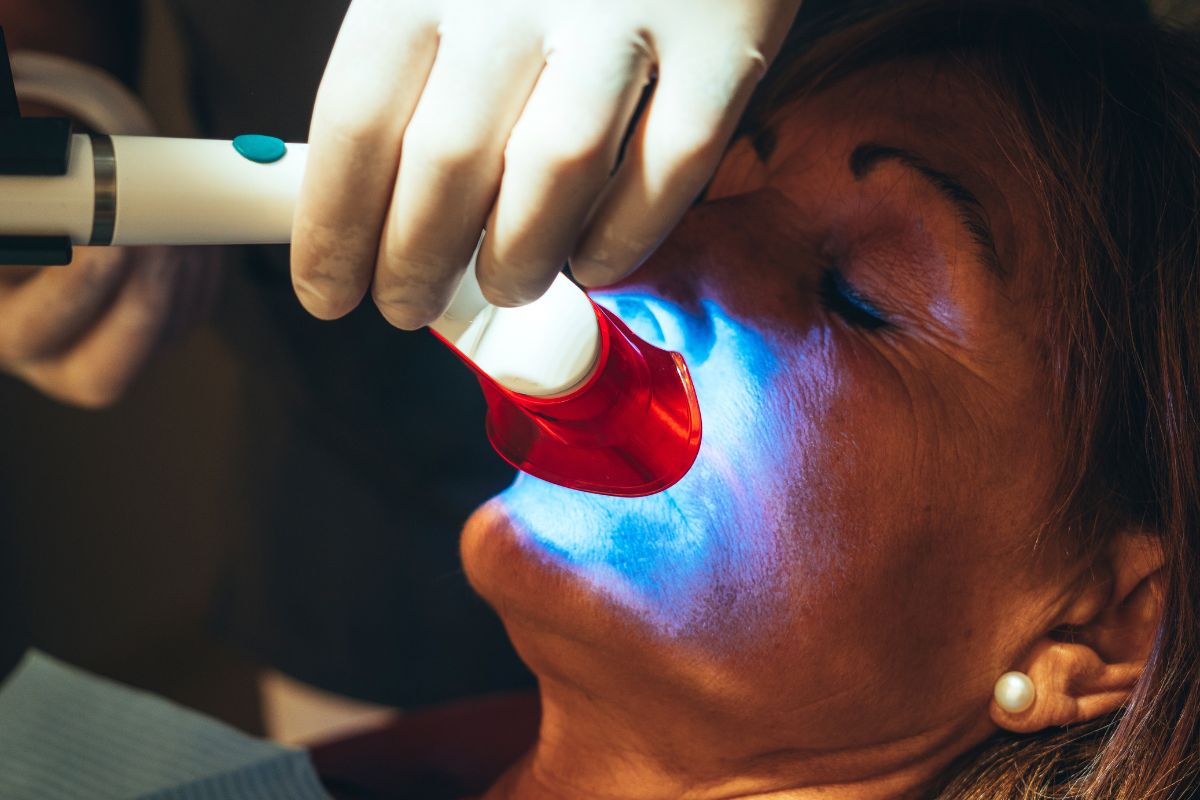
A brighter smile can make a lasting impression. However, not every tooth stain responds to whitening the same way. Some stains sit on the surface, while others develop deep within the tooth structure. That is why a careful evaluation is an important first step before any whitening treatment. Understanding the source of discoloration helps create a treatment plan that is both safe and effective. By identifying the type of staining present, we can recommend the most appropriate approach to help patients achieve a healthier-looking, more confident smile.
Why Identifying Tooth Stains Matters
Many people assume all tooth discoloration is caused by coffee, tea, or aging. While those factors can contribute, there are several different types of stains that require different treatment methods.
A professional assessment helps determine:
- The cause of discoloration
- Whether whitening is likely to be effective
- If additional cosmetic treatments may be needed
- The overall health of the teeth and gums before treatment
This diagnostic process allows for more predictable and long-lasting results.
The Three Main Types of Tooth Stains
Before recommending any whitening procedure, dentists evaluate the type and severity of discoloration.
Extrinsic Stains
Extrinsic stains affect the outer layer of the tooth, known as the enamel.
Common causes include:
- Coffee and tea consumption
- Red wine
- Tobacco use
- Dark-colored foods
- Poor oral hygiene
These stains are usually the easiest to treat and often respond very well to professional whitening treatments.
Intrinsic Stains
Intrinsic stains develop within the tooth structure itself.
They may occur because of:
- Certain medications
- Dental trauma
- Excess fluoride exposure during tooth development
- Aging-related changes in dentin
Intrinsic stains are often more challenging to treat and may require a customized cosmetic dentistry approach.
Age-Related Stains
As people age, enamel naturally becomes thinner. This allows the darker dentin underneath to become more visible.
Age-related discoloration often involves a combination of extrinsic and intrinsic staining, making professional evaluation especially important.
How We Diagnose Tooth Stains Before Whitening
Comprehensive Oral Examination
The diagnostic process begins with a thorough examination of your teeth and gums.
During this evaluation, we look for:
- Existing restorations
- Signs of enamel wear
- Gum health concerns
- Tooth sensitivity
- Areas of uneven discoloration
This step helps determine whether whitening is appropriate and identifies any issues that should be addressed first.
Reviewing Your Dental and Medical History
Your health history can provide valuable clues about the cause of staining.
We may ask about:
- Medications you have taken
- Previous dental injuries
- Whitening treatments you have tried
- Dietary habits
- Tobacco use
These details help distinguish between surface stains and deeper discoloration.
Shade Analysis
Dentists use professional shade guides to assess the current color of your teeth.
This process allows us to:
- Measure discoloration accurately
- Track treatment progress
- Establish realistic expectations
Many patients seeking teeth whitening in Austin are surprised to learn that their discoloration pattern provides important information about which whitening techniques may be most effective.
Evaluating the Location of Stains
The position of staining often reveals its cause.
For example:
| Stain Location | Possible Cause |
|---|---|
| Near gumline | Plaque and tartar buildup |
| Entire tooth surface | Dietary staining |
| Single tooth | Previous trauma |
| White spots | Fluorosis or enamel changes |
| Gray or brown internal discoloration | Intrinsic staining |
Understanding these patterns helps create a personalized treatment strategy.
Advanced Diagnostic Tools
Digital Imaging
Modern dental technology allows for detailed imaging of the teeth.
Digital photography can help:
- Document existing discoloration
- Compare treatment outcomes
- Detect subtle color variations
These images also help patients better understand their whitening options.
Assessment of Existing Restorations
Crowns, veneers, fillings, and bonding materials do not respond to whitening agents like natural teeth.
Before treatment, we carefully identify any restorations that may affect cosmetic outcomes.
This step helps ensure a more uniform smile appearance after whitening.
Common Questions Patients Ask Before Whitening
Many patients wonder whether whitening will work for their specific type of discoloration.
The answer depends on several factors, including:
- The source of the stain
- The depth of discoloration
- Enamel condition
- Previous dental work
That is why a personalized diagnosis is always recommended before starting treatment.
For individuals who are considering smile enhancement options, if you are searching for a cosmetic dentist near Austin, choosing a provider who performs a thorough stain assessment can help improve treatment predictability and overall satisfaction.
What Happens If Whitening Is Not the Best Option?
Not every stain responds equally to whitening treatments.
When whitening alone may not provide the desired results, other cosmetic solutions might be discussed, including:
- Dental bonding
- Porcelain veneers
- Tooth-colored restorations
A comprehensive evaluation helps determine the most appropriate path for achieving your smile goals.
What Research and Clinical Experience Show
Studies published in cosmetic and restorative dentistry literature consistently demonstrate that professional diagnosis improves whitening outcomes. Research has shown that identifying stain type before treatment increases the likelihood of achieving uniform shade improvement while minimizing unnecessary sensitivity.
Experienced clinicians, including Dr. Kurt S. Potach, understand that successful cosmetic treatment begins with accurate diagnosis rather than immediately proceeding with whitening products. This patient-centered approach supports safer and more predictable results.
Trending FAQs About Tooth Stain Diagnosis Before Whitening
Frequently Asked Questions
- Can all tooth stains be removed with whitening?
No. Surface stains typically respond well, while some deep intrinsic stains may require alternative cosmetic treatments. - How do dentists know what type of stain I have?
Dentists use examinations, shade analysis, imaging, and medical history reviews to identify the source of discoloration. - Do yellow teeth whiten better than gray teeth?
In many cases, yellow-toned stains respond more effectively to whitening than gray or brown intrinsic stains. - Can old fillings become whiter after treatment?
No. Fillings, crowns, and veneers do not change color during whitening. - Will whitening work if my teeth are stained from medication?
It depends on the medication and the depth of the discoloration. A professional evaluation is necessary. - Why does one tooth look darker than the others?
This may be related to previous trauma, internal discoloration, or changes within the tooth structure.
Creating a Personalized Whitening Plan
Every smile is unique. That is why professional whitening should begin with a detailed assessment rather than a one-size-fits-all approach. By identifying the type of stain, evaluating oral health, and understanding your cosmetic goals, dentists can recommend the most suitable treatment plan. If you are ready to improve the appearance of your smile, now is an excellent time to schedule an appointment and learn which whitening approach is best suited to your specific needs.
A brighter smile starts with understanding what is causing discoloration in the first place. Through careful diagnosis and personalized care, patients can move forward with confidence, knowing their treatment is designed around their unique dental needs and long-term oral health goals.