

Tooth pain can sneak up on you, turning a simple meal into an ordeal or keeping you up at night. Many people brush off these early warning signs, thinking they’ll fade away. But ignoring them might lead to bigger issues down the line. This post dives into the key indicators that suggest your tooth could be in trouble. We’ll cover what to look for and why acting early matters for your oral health.
Understanding Root Canals
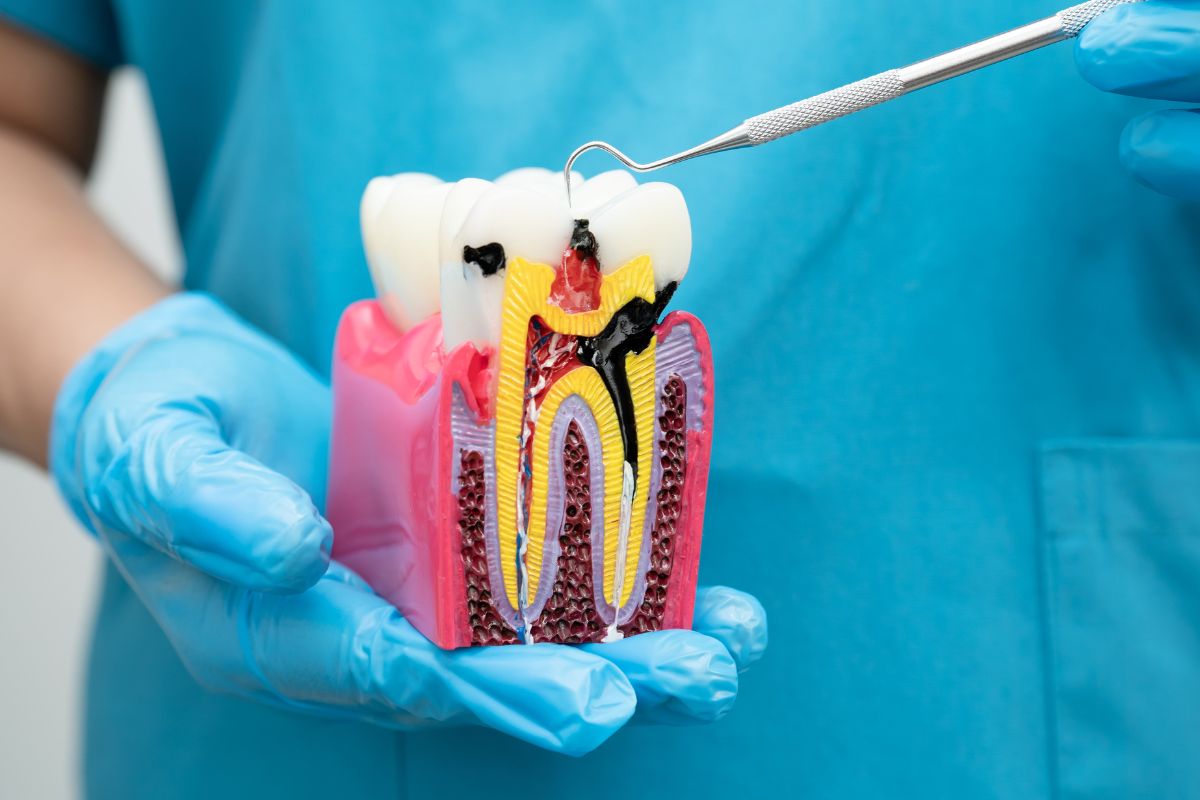
A root canal addresses infection deep inside a tooth. It saves the natural structure when bacteria invade the pulp. This soft tissue holds nerves and blood vessels. Decay, cracks, or trauma often cause the problem. Without treatment, pain worsens and spreads. Dentists use this procedure to remove damaged parts and seal the area. It restores function and prevents extraction.
Modern techniques make the process straightforward. Tools like digital imaging help pinpoint issues. Patients often report relief right after. Knowing the basics eases fears about dental infections.
Key Symptoms to Watch For
Certain signs point to pulp inflammation. Spot them early to avoid complications.
Persistent Tooth Pain
A throbbing ache that lingers signals trouble. It may start mild but builds over time. Pain often spikes with pressure, like biting down. This happens when infection irritates nerves. Don’t wait for it to pass on its own.
Sensitivity to Hot and Cold
Extreme reactions to temperatures are common. Hot coffee or ice cream might trigger sharp discomfort. It lasts longer than usual sensitivity. Inflamed pulp reacts strongly to these changes. Over time, it points to deeper damage.
Swollen or Tender Gums
Gums around the affected tooth may puff up. They feel sore to the touch. In some cases, a small bump appears. This abscess drains pus and signals infection spread. Facial swelling can follow if ignored.
Tooth Discoloration
A darkening tooth stands out. It turns gray or black due to dying pulp. Blood vessels break down inside. This visual clue often pairs with other symptoms. It shows the issue has progressed.
Loose Tooth Feeling
Teeth shouldn’t wobble in adults. Infection weakens supporting tissues. The tooth feels unstable. This rare sign needs quick attention.
These symptoms vary by person. Some feel multiple at once. Others notice just one. Track changes in your mouth.
Why These Symptoms Occur
Bacteria enter through cracks or cavities. They reach the pulp and cause inflammation. Nerves send pain signals. Swelling builds pressure inside the tooth. Discoloration follows tissue death. Untreated, it leads to abscesses. Early detection stops this cycle.
Dental trauma from accidents speeds things up. Repeated fillings weaken enamel too. Good hygiene helps prevent entry points for germs.
When to Seek Professional Help
Don’t self-diagnose based on symptoms alone. A check-up confirms the cause. X-rays reveal hidden infections. Dentists assess the extent of damage.
If pain disrupts daily life, act fast. Delaying risks bone loss or spread to nearby teeth. Regular exams catch issues before they escalate.
For those experiencing ongoing discomfort, consult with a trusted provider. They offer guidance tailored to your situation.
Preventive Measures for Dental Health
Brush twice daily with fluoride toothpaste. Floss to remove trapped food. Limit sugary snacks that feed bacteria. Wear mouthguards during sports.
Routine cleanings remove plaque buildup. They spot early decay. Healthy habits reduce the odds of needing advanced care.
Trending FAQs on Root Canal Symptoms
People often search for answers online. Here are some common questions based on popular Google queries, with clear responses.
- How do I know if I need a root canal? Look for ongoing pain, sensitivity, or swelling. A dentist uses exams and imaging to confirm.
- What are the early signs of needing a root canal? Mild aches that worsen, hot/cold reactions, or gum tenderness often start it.
- Can a root canal infection heal on its own? No, infections spread without intervention. Prompt care prevents complications.
- What happens if you ignore root canal symptoms? Pain intensifies, abscesses form, and tooth loss becomes likely.
- How long can you wait with root canal symptoms? See a professional within days if severe. Delays risk further damage.
These cover frequent concerns. Always consult experts for personal advice.
Statistics on Root Canal Needs
Root canals are common in the US. Here’s a quick table with key stats:
| Statistic | Detail | Source Insight |
|---|---|---|
| Annual Procedures | About 15 million performed yearly | American Association of Endodontists |
| Success Rate | 85-97% effective long-term | Dental studies on endodontic outcomes |
| Common Age Group | Adults 20-50 most affected | Due to decay and trauma accumulation |
| Specialist Volume | Endodontists handle 25 per week on average | Focus on infection and pain management |
These numbers show how routine yet successful the treatment is.
Living in southern Minnesota, access to quality care matters. A local dentist in Austin, MN, can provide the expertise needed for these issues. They understand community needs and offer personalized approaches.
Symptoms like these deserve attention. Addressing them preserves your smile.
In conclusion, recognizing early signs protects your teeth. Stay vigilant about oral changes. Reach out to schedule an appointment if something feels off. Your comfort and health come first.