

Tooth pain can strike without warning. It disrupts daily life. Many people panic at the first twinge. They wonder about serious issues. But not all aches are the same. Some resolve quickly. Others need attention. Let’s explore this topic. We’ll address your concerns. You’ll gain clarity on what your symptoms might mean.
Understanding Toothaches and Their Causes
Toothaches vary in intensity. They can feel sharp or dull. Sometimes, they throb constantly. Other times, they come and go. Knowing the root cause helps. It guides next steps.
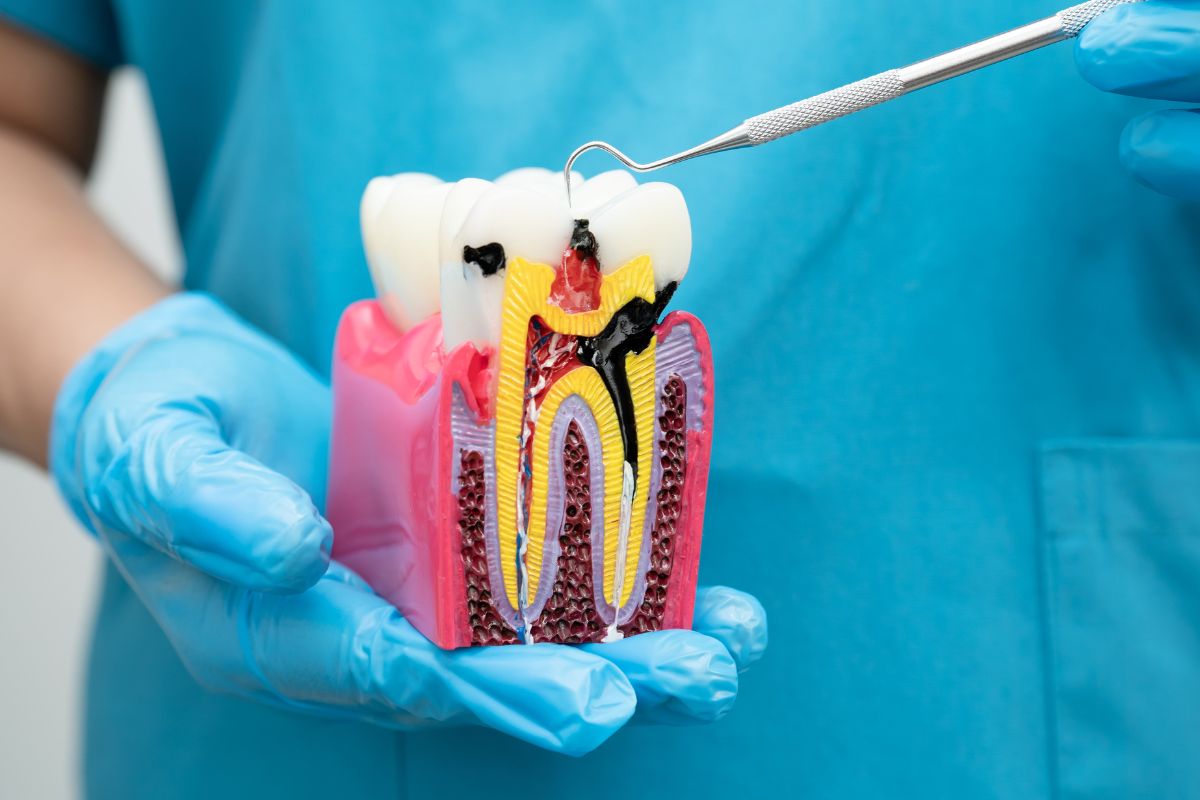
Common triggers include cavities. These are holes in enamel. Bacteria enter and irritate nerves. Gum disease is another culprit. It causes inflammation. Swollen gums press on teeth. This leads to discomfort.
Sensitivity plays a role too. Hot or cold foods trigger it. Worn enamel exposes dentin. Dentin has tiny tubes to nerves. This explains the zing from ice cream.
Cracked teeth cause pain as well. A fracture lets bacteria in. Chewing worsens it. Sinus infections mimic toothaches. Pressure from sinuses affects upper teeth. It’s not dental at all.
Grinding teeth at night adds stress. It wears down enamel. Muscles ache from tension. Wisdom teeth emerging create pressure. They crowd other teeth.
These issues don’t always require major procedures. Simple fixes often suffice. A filling seals a cavity. Scaling cleans gums. Mouthguards protect from grinding.
Signs That Your Toothache Might Require Advanced Care
Persistent pain raises red flags. It doesn’t fade with over-the-counter meds. This suggests deeper problems. Infection in the pulp could be at play. Pulp is the soft tissue inside teeth. It holds nerves and blood vessels.
Swelling around the tooth is key. Gums puff up. The area feels tender. Pus might drain. This points to an abscess. Abscesses form from untreated decay. They spread if ignored.
Sensitivity that lingers matters. Pain from hot drinks lasts minutes. Cold causes sharp jolts. Discolored teeth hint at issues. A darkening tooth shows dying pulp.
Pain when biting down is telling. It worsens with pressure. Nighttime aches disrupt sleep. Fever or swollen lymph nodes signal infection spread.
In these cases, seeing a specialist helps. They use X-rays to check. Early detection saves teeth. For residents seeking root canal therapy in Austin, MN, local experts provide precise care. They focus on comfort.
Other Possible Reasons for Tooth Pain
Not all discomfort stems from teeth. Referred pain tricks you. Heart issues can radiate to jaws. It’s rare but possible.
TMJ disorders affect joints. Jaw clicking accompanies pain. Stress aggravates it. Orthodontic adjustments cause temporary aches. Braces shift teeth.
Allergies congest sinuses. This pressures roots. Dehydration dries mouth. It heightens sensitivity.
Recent fillings settle in. They cause short-term soreness. Avoid assuming the worst. Track symptoms. Note triggers.
Trending FAQs on Toothaches and Root Canals
People often search for quick answers online. Here are some frequently asked questions based on common Google queries. We’ve provided clear responses.
- What are the signs that indicate you might need a root canal?
Severe, lingering pain, especially with heat or cold, swelling, or tooth discoloration often signal pulp infection requiring treatment. - Can a toothache go away on its own without treatment?
Minor aches from sensitivity or debris might resolve, but persistent pain usually needs professional evaluation to prevent worsening. - Is a root canal procedure painful?
Modern techniques and anesthesia make it comfortable, similar to a filling; most report relief afterward. - What happens if you delay or ignore a tooth that needs a root canal?
Infection can spread, leading to abscesses, bone loss, or tooth extraction; prompt care preserves the tooth. - How long does recovery take after a root canal?
Most feel better in days; avoid hard foods initially, and follow care instructions for full healing.
These address top concerns. They stem from real user searches.
Key Statistics on Dental Issues
Dental problems affect many Americans. Here’s a table with relevant stats.
| Statistic | Detail | Source Insight |
|---|---|---|
| Annual Root Canals | Over 15 million performed in the US yearly | Highlights commonality of the procedure |
| Daily Procedures | About 41,000 root canals done each day | Shows high demand for endodontic care |
| Tooth Survival Rate | Median survival of 11 years post-treatment | Demonstrates long-term effectiveness |
| Persistent Pain Rate | Around 5% experience ongoing discomfort | Underscores rarity of complications |
| Untreated Adults | Nearly 71 million skip dental visits annually | Emphasizes need for regular checkups |
These numbers show root canals are routine. They save teeth effectively.
Managing Discomfort and Preventing Future Issues
Home remedies offer temporary relief. Rinse with salt water. It reduces inflammation. Apply cold packs. They numb the area.
Over-the-counter pain relievers help. Ibuprofen cuts swelling. Clove oil soothes naturally. It has eugenol for numbing.
Brush gently. Use soft bristles. Floss daily. Remove trapped food. Avoid sugary foods. They feed bacteria.
Regular checkups catch issues early. Cleanings prevent buildup. X-rays spot hidden problems.
Lifestyle changes matter. Quit smoking. It harms gums. Stay hydrated. Dry mouth worsens sensitivity.
If pain persists, seek help. Delaying risks complications. Experts diagnose accurately.
Many worry about pain after root canals. It usually subsides quickly. Follow-up care ensures smooth healing.
Seeking Professional Guidance
Symptoms can confuse. Self-diagnosis misses details. Dentists provide accurate assessments.
They explain options clearly. Treatment plans fit your needs. Comfort is prioritized.
If you are searching for an endodontist near you, local specialists offer expert evaluations. They use advanced tools. This ensures precise results.
Building trust with providers helps. Ask questions freely. Understand each step.
Embracing Proactive Dental Health
Tooth pain signals something amiss. Listen to your body. Act promptly.
Knowledge empowers you. It reduces fear. Regular care keeps smiles bright.
Schedule routine visits. They prevent surprises. Healthy habits pay off.
For concerns, reach out. Call 507-437-6312 to schedule an appointment. Your comfort matters most.