
Undergoing a root canal procedure can feel daunting, but it’s an important step in preserving your oral health. Once the procedure is complete, proper aftercare plays a crucial role in ensuring a smooth recovery and long-term success. Here’s what you need to know about caring for your teeth after a root canal, including the do’s and don’ts that will help you heal quickly and comfortably.
What to Expect After a Root Canal
After a root canal it’s normal to experience some sensitivity or discomfort in the treated area. This is typically mild and should subside within a few days as the inflammation decreases. Your dentist may recommend over-the-counter pain relievers to manage any soreness.
While your tooth may feel better quickly it’s still vulnerable, especially if you haven’t yet received a permanent crown. Following your dentist’s instructions and being mindful of your habits during this period can make a big difference in your recovery.
Eating After a Root Canal
One of the most common questions patients have is when they can resume eating normally. Initially, you should avoid eating until the numbness in your mouth has completely worn off. This will help prevent accidentally biting your cheek or tongue.
Stick to soft foods for the first day or two to avoid placing too much pressure on the treated tooth. Foods like yogurt, mashed potatoes and soup are great options during this time. Gradually reintroduce harder foods as your comfort level improves. Once your dentist has placed the permanent crown or filling, you can return to your regular diet.
Maintaining Oral Hygiene
Good oral hygiene is vital after a root canal, but you’ll need to be gentle around the treated area. You can brush your teeth as usual the evening after the procedure, but use a soft-bristled toothbrush and avoid putting too much pressure on the affected tooth.
Flossing is also important, but be cautious to avoid dislodging any temporary filling that may have been placed. Mouthwash can help keep the area clean, but choose an alcohol-free option to prevent irritation. Staying consistent with your oral hygiene routine will support healing and keep your entire mouth healthy.
Avoid Strenuous Activities
In the days following your root canal, try to avoid strenuous physical activities, especially those that may cause jarring movements or strain. Overexertion can increase blood flow to the treated area, potentially causing additional swelling or discomfort. Rest is key to allowing your body to focus on healing.
When to Call Your Dentist
While most patients recover smoothly, it’s important to monitor your symptoms. Persistent pain, swelling, or signs of infection like fever or unusual discharge should prompt a call to your dentist. Addressing these issues promptly ensures your recovery stays on track.
Long-Term Care for Your Treated Tooth
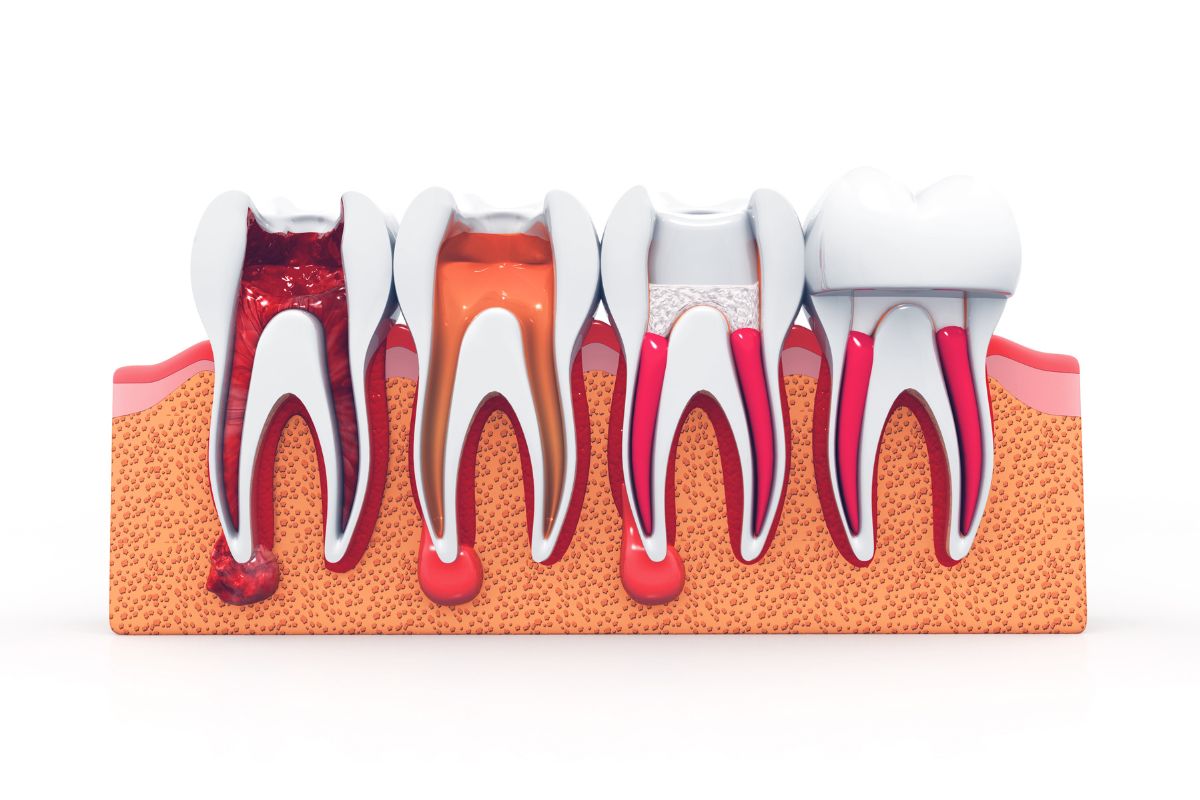
Once your root canal is complete and your permanent crown or filling is in place, maintaining good oral hygiene and attending regular dental checkups will help preserve the health of your treated tooth. Avoid habits like grinding your teeth or chewing on hard objects, as these can weaken or damage your dental work over time.
With proper care, your treated tooth can function just like your natural teeth for many years. Remember that your dentist is your partner in oral health, so don’t hesitate to reach out with questions or concerns during your recovery.
A Path to Healing
Recovering from a root canal doesn’t have to be a daunting process. By following the do’s and don’ts outlined above, you’ll support your healing and set yourself up for long-term success. Whether it’s being mindful of your diet, maintaining gentle oral hygiene, or knowing when to seek professional guidance, each step you take contributes to a healthier, more confident smile.
With a little patience and care, you’ll be back to enjoying your normal routine in no time. And remember, your dentist is always there to provide support and ensure your recovery goes smoothly.