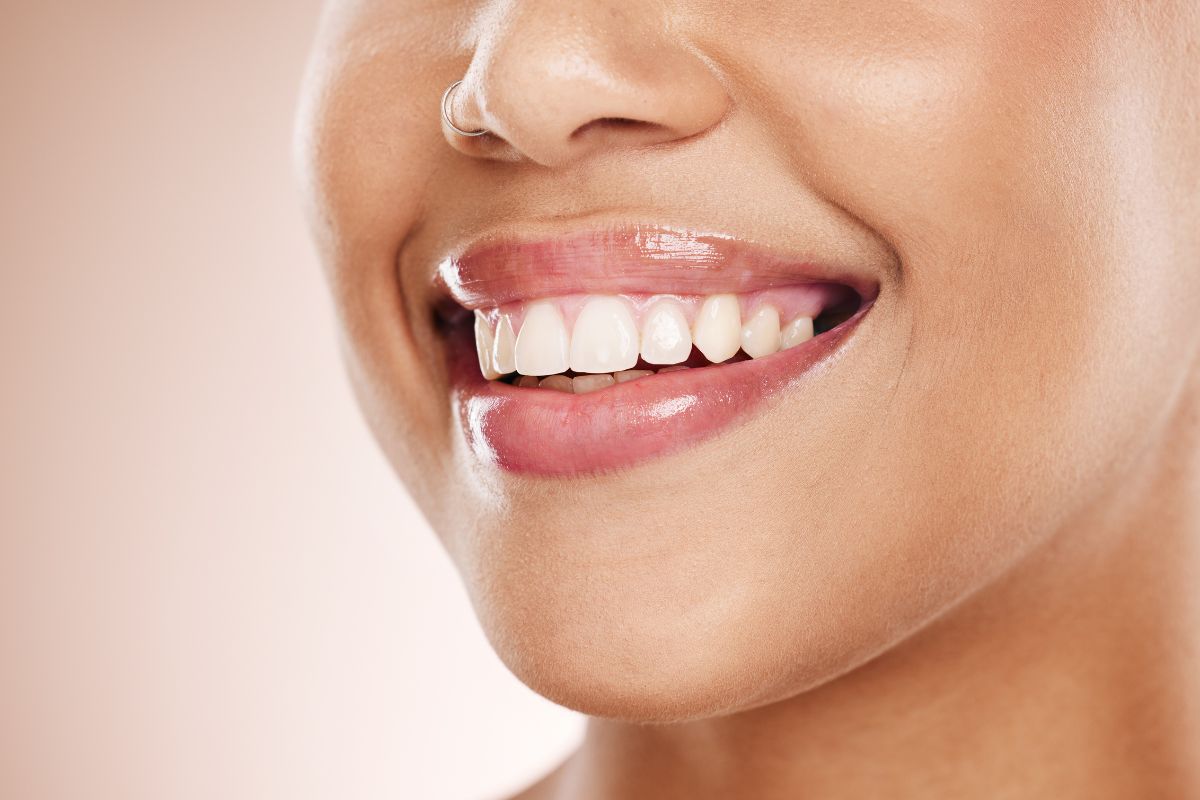


Teeth whitening is a popular way to enhance the brightness of your smile, and whether it’s done at home or by a dental professional, it can make a dramatic difference. But to maintain those stunning results, you’ll need to follow some post-whitening care steps, including dietary adjustments. A common question people have is: How long after teeth whitening can I eat normally? This guide provides the answers you need to keep your smile bright while protecting your teeth.
Why Dietary Choices Matter After Whitening
After teeth whitening, the surface of your teeth becomes temporarily more porous. This makes them vulnerable to staining, as foods and beverages can seep into the enamel more easily. The first 24-48 hours post-whitening are particularly important because your teeth are more susceptible to absorbing pigments. During this period, following dietary restrictions can make a big difference in preserving your whitening results.
The Immediate 24-48 Hours: Foods to Avoid
After a whitening session, avoiding certain foods and drinks can protect your teeth from staining. Here’s a list of items to avoid:
Dark-colored beverages – Coffee, tea, red wine, and sodas contain pigments that can easily stain teeth. Avoid these drinks, or, if necessary, use a straw to limit contact with your teeth.
Acidic foods and drinks – Foods high in acidity, like citrus fruits, vinegar-based dressings, and soda, can wear down the enamel, increasing the likelihood of discoloration.
Dark sauces – Soy sauce, tomato sauce, and similar condiments can leave stains on your teeth.
Colorful fruits and berries – Blueberries, blackberries, cherries, and pomegranates contain pigments that can stain teeth quickly.
Dark chocolate – This contains pigments that may discolor your freshly whitened teeth.
Avoiding these items for the first 48 hours can help protect your smile. Afterward, you can gradually reintroduce some of these foods in moderation.
The “White Diet”: What You Can Eat Safely
During the first couple of days, stick to a “white diet” to reduce the risk of staining. These foods are safe and won’t interfere with the whitening process:
- Dairy products – Milk, plain yogurt, white cheeses, and cottage cheese are excellent choices.
- Rice, pasta, and bread – Stick to plain, non-colored varieties.
- Poultry and fish – Avoid seasoning heavily with colored spices. Opt for grilled or baked dishes.
- Eggs – Scrambled or boiled eggs are a safe, protein-rich choice.
- Potatoes and cauliflower – These white vegetables are safe to eat post-whitening.
These foods will help you stay full without the risk of staining your teeth. Following this diet can seem restrictive, but it’s a short-term commitment to preserve your long-term results.
Returning to a Normal Diet
After 48 hours, you can gradually start incorporating a wider range of foods back into your diet. However, continue to be mindful of highly pigmented foods and drinks. Even though your teeth aren’t as susceptible to staining after this period, it’s still beneficial to limit consumption of foods that might discolor your teeth.
Tips for Eating and Drinking Post-Whitening
To extend your whitening results and avoid future discoloration, consider these tips even after the initial 48-hour period:
- Use a straw – When drinking beverages that may stain your teeth, such as coffee or tea, using a straw can minimize direct contact with your teeth.
- Rinse after meals – Rinsing your mouth with water after eating can help wash away pigments before they settle on your teeth.
- Brush gently – Avoid brushing immediately after consuming acidic foods or drinks. Acidic substances can weaken enamel, so wait at least 30 minutes before brushing.
- Floss daily – Regular flossing prevents buildup that may lead to discoloration over time.
How Long Will Teeth Whitening Results Last?
While teeth whitening offers immediate brightness, results aren’t permanent. Factors such as diet, oral hygiene habits, and lifestyle (like smoking) can impact how long your results last. On average, professionally whitened teeth can remain bright for 6-12 months, depending on your care. For long-term maintenance, you may consider periodic touch-up treatments or whitening products recommended by your cosmetic dentist in Austin.
Knowing When to Schedule Your Next Whitening Session
If you notice your teeth starting to dull after a few months, it may be time for a touch-up. Routine check-ups and cleanings can also help extend the life of your whitening. By staying proactive with your dental care, you can keep your smile looking fresh and vibrant longer.
Potach & Mitchell Helping You Achieve and Maintain a Radiant Smile
At Potach & Mitchell, we understand how important a bright smile is for your confidence. We offer professional teeth whitening treatments tailored to achieve optimal results while keeping your teeth safe and healthy. Serving the Austin, MN community, we’re here to answer your questions and provide comprehensive dental services that keep you smiling brightly. Visit us to explore our cosmetic dentistry options and let us help you achieve the smile you’ve always wanted.