

A dazzling smile can transform your confidence. Cosmetic dentistry offers solutions for minor dental imperfections, and dental bonding stands out as a top choice. But why do cosmetic dentists often recommend this procedure for small fixes? This blog dives into the benefits, process, and reasons dental bonding is a go-to option for enhancing smiles with minimal fuss.
What Is Dental Bonding?
Dental bonding is a cosmetic procedure where a tooth-colored resin is applied to teeth. It’s shaped and polished to fix minor issues like chips, cracks, or gaps. The resin bonds to the tooth, creating a natural look. Dentists love it for its simplicity and effectiveness.
How Does It Work?
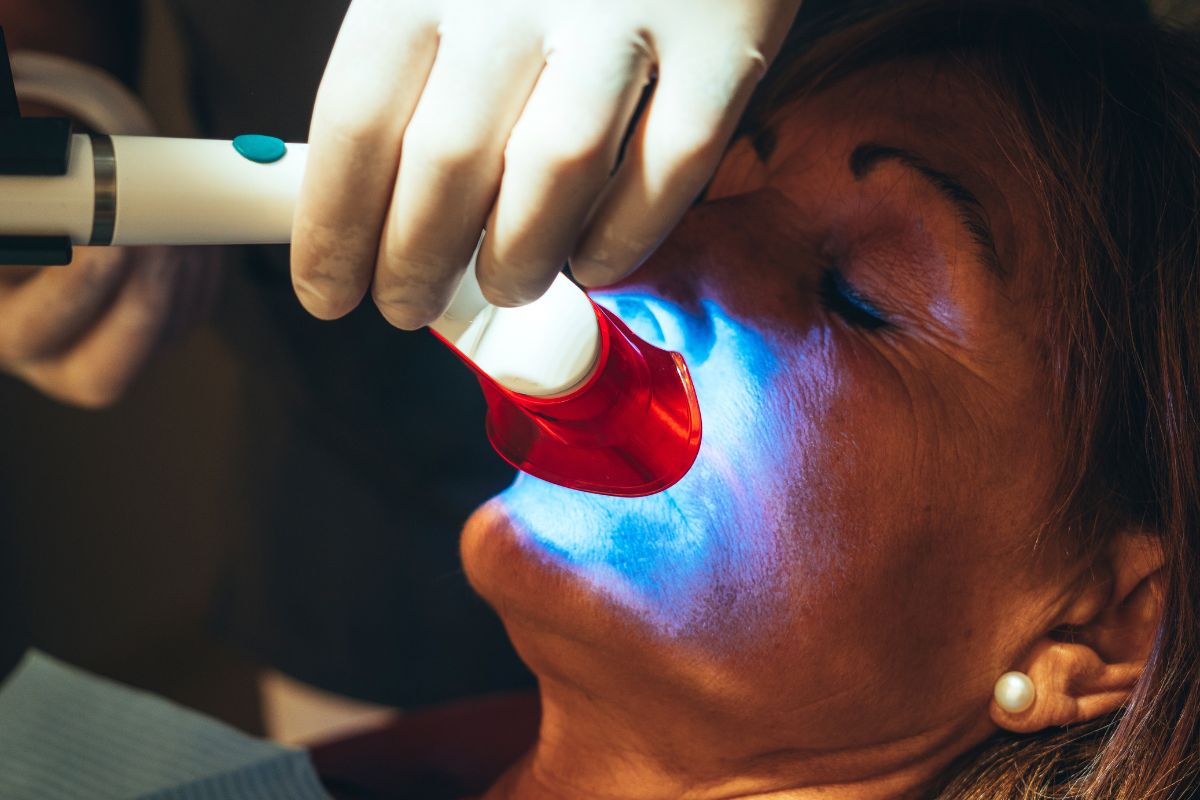
The process is straightforward. Your dentist prepares the tooth by lightly etching its surface. A bonding agent is applied, followed by the resin. The resin is molded to the desired shape, hardened with a special light, and polished. It’s quick, often completed in one visit.
Why Choose Dental Bonding in Austin?
For those seeking a fast, effective fix for minor dental flaws, dental bonding in Austin is a popular choice. It’s non-invasive, meaning less tooth structure is removed compared to veneers or crowns. The procedure is ideal for small imperfections like chipped teeth, minor discoloration, or slight misalignments. Plus, it blends seamlessly with your natural teeth, ensuring a flawless finish.
Versatility for Minor Fixes
Dental bonding is incredibly versatile. It can:
- Repair chipped or cracked teeth
- Close small gaps between teeth
- Cover stains or discoloration
- Reshape uneven or short teeth
- Protect exposed tooth roots
This flexibility makes it a favorite among cosmetic dentists. It addresses multiple issues without requiring extensive procedures.
Quick and Convenient
Unlike other treatments, dental bonding often takes just one visit. Most sessions last 30-60 minutes per tooth. There’s no need for multiple appointments or lab work, unlike crowns or veneers. If you are searching for a cosmetic dentist in Austin, MN, dental bonding could be the efficient solution you need to enhance your smile in a single day.
Benefits of Dental Bonding
Natural Appearance
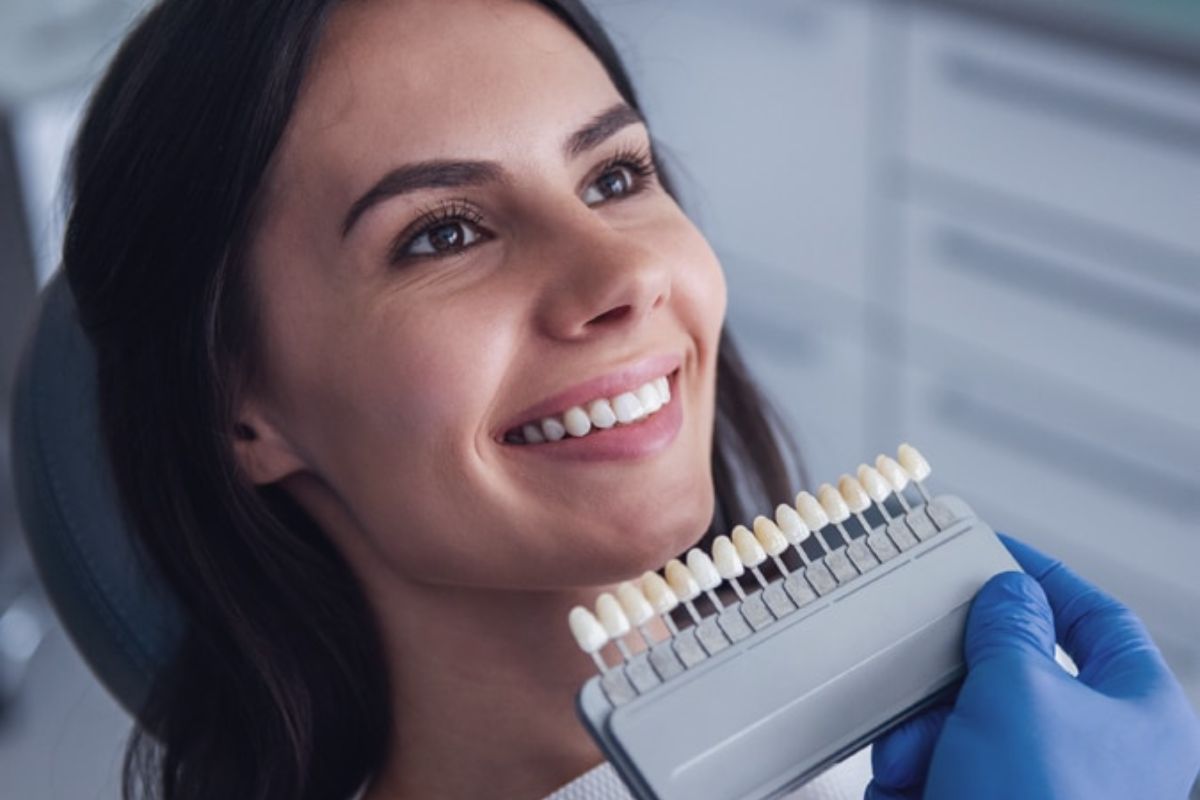
The resin used in bonding is color-matched to your teeth. This ensures a seamless blend with your natural smile. Dentists skillfully shape the material, so it looks like part of your tooth, not an add-on.
Minimally Invasive
Bonding preserves more of your natural tooth compared to other procedures. Only a minimal amount of enamel is etched to help the resin adhere. This makes it a conservative choice for minor fixes.
Fast Results
Need a quick smile upgrade? Dental bonding delivers instant results. You walk out of the dentist’s office with a noticeably improved smile, no waiting required.
Durability for Daily Life
While not as strong as crowns, bonded teeth can last 5-10 years with proper care. Avoid biting hard objects, like ice or pens, to extend their lifespan. Regular brushing and flossing keep it looking fresh.
Who Is a Good Candidate for Dental Bonding?
Dental bonding suits most people with minor dental issues. It’s ideal for those with:
- Slightly chipped or cracked teeth
- Small gaps or spacing issues
- Minor discoloration not resolved by whitening
- Teeth that appear too short or uneven
However, bonding may not be suitable for major structural damage or severe misalignment. Your dentist will assess your needs to confirm if bonding is the right fit.
The Dental Bonding Process: What to Expect
Curious about what happens during a bonding appointment? Here’s a quick overview:
- Consultation: Your dentist examines your teeth and discusses your goals.
- Preparation: The tooth is cleaned and lightly etched for better resin adhesion.
- Application: The resin is applied, shaped, and hardened with a curing light.
- Polishing: The bonded tooth is polished for a natural shine.
The process is painless, and anesthesia is rarely needed unless filling a cavity.
Trending FAQs on Dental Bonding
Here are answers to common questions people ask about dental bonding, sourced from popular Google queries:
- How long does dental bonding last?
With proper care, dental bonding can last 5-10 years. Avoiding habits like biting nails or chewing hard objects helps prolong their life. - Is dental bonding painful?
No, the procedure is typically painless. Anesthesia is only used if the bonding addresses a cavity or sensitive area. - Can dental bonding be whitened?
The resin doesn’t respond to whitening treatments. If you want a brighter smile, consider whitening your teeth before bonding. - Does dental bonding damage teeth?
Bonding is minimally invasive and preserves most of your natural tooth. The etching process is gentle and doesn’t weaken the tooth. - Can bonded teeth be repaired?
Yes, if the bonding chips wear down, your dentist can easily repair or replace it during a quick visit.
How to Care for Bonded Teeth
Maintaining your bonded teeth is simple. Follow these tips:
- Brush twice daily with a soft toothbrush
- Floss daily to prevent plaque buildup
- Avoid staining foods and drinks, like coffee or red wine, for 48 hours after bonding
- Skip hard foods or objects that could chip the resin
- Visit your dentist regularly for checkups
These habits keep your bonded teeth looking great for years.
Why Cosmetic Dentists Love Recommending Bonding
Cosmetic dentists favor bonding for its balance of aesthetics, convenience, and effectiveness. It’s a low-risk procedure that delivers high-impact results. Patients love the immediate transformation, and dentists appreciate the ability to customize the resin for each patient’s unique smile. Bonding also requires less chair time than alternatives, making it a win-win for both parties.
A Confidence Boost
A chipped tooth or small gap can make you self-conscious. Dental bonding offers a quick fix that restores your smile’s beauty. It’s a small change that can make a big difference in how you feel when you smile or laugh.
Tailored to Your Smile
Every smile is unique, and bonding allows dentists to tailor the treatment to your needs. Whether it’s reshaping a tooth or closing a gap, the resin is sculpted to match your natural teeth perfectly.
When to Consult a Cosmetic Dentist
If you’re considering dental bonding, consult a cosmetic dentist to discuss your options. They’ll evaluate your teeth and recommend the best approach. Bonding is ideal for minor fixes, but other treatments like veneers or orthodontics may suit more complex issues. A professional assessment ensures you get the right solution for your smile goals.
Conclusion: Transform Your Smile with Dental Bonding
A perfect smile doesn’t always require extensive treatments. Dental bonding offers a quick, effective way to fix minor imperfections, giving you a confident, natural-looking smile. With its versatility, minimal invasiveness, and fast results, it’s no wonder cosmetic dentists recommend it. Ready to enhance your smile? Schedule a consultation with a skilled cosmetic dentist to see if dental bonding is right for you.