
Starting your journey with dentures can feel like a big step, but with the right guidance, you’ll quickly adapt to this new chapter in your oral health. Whether you’re replacing a few missing teeth or transitioning to a full set, dentures can restore your smile and confidence. This guide, crafted with insights from local dental experts in Austin, MN, will walk you through everything you need to know as a first-time denture wearer. From daily care routines to adjusting to your new prosthetic, we’ll cover the essentials to ensure a smooth experience while keeping your oral health in top shape. Let’s dive into the practical tips and advice that will help you thrive with your dentures.
Understanding Dentures: What Are They and How Do They Work?
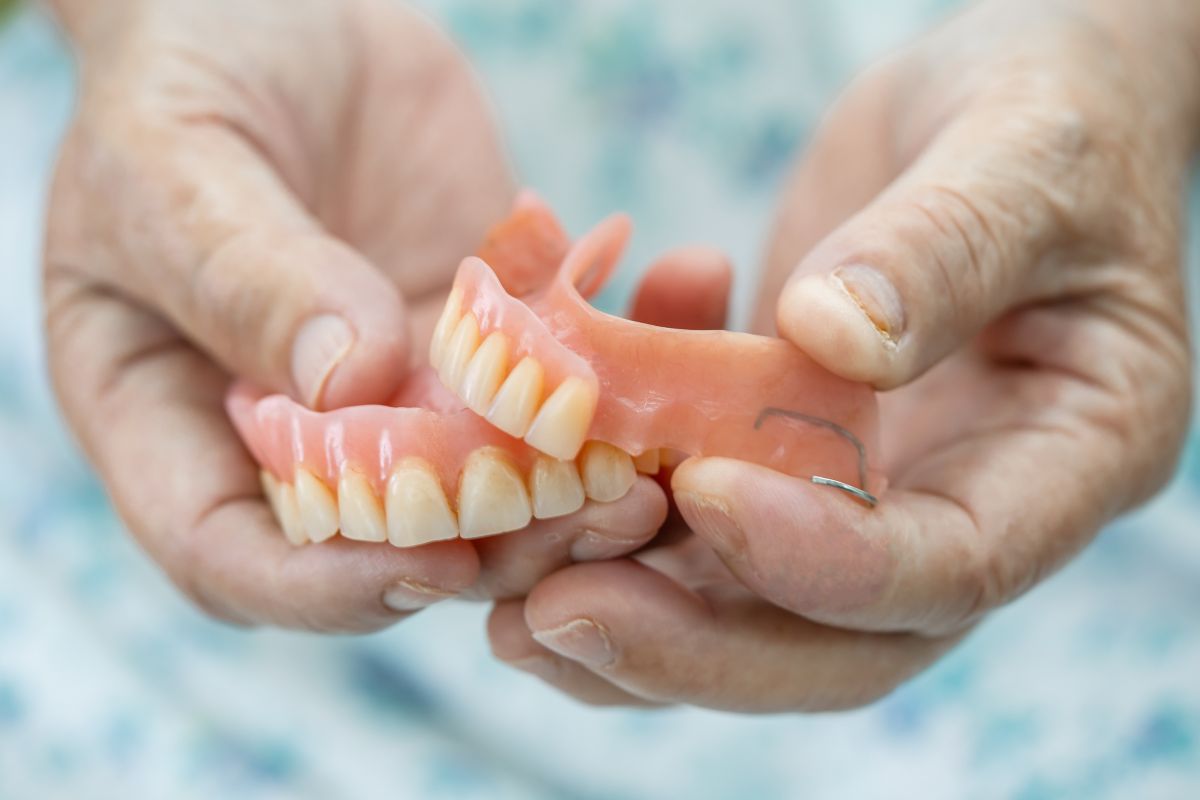
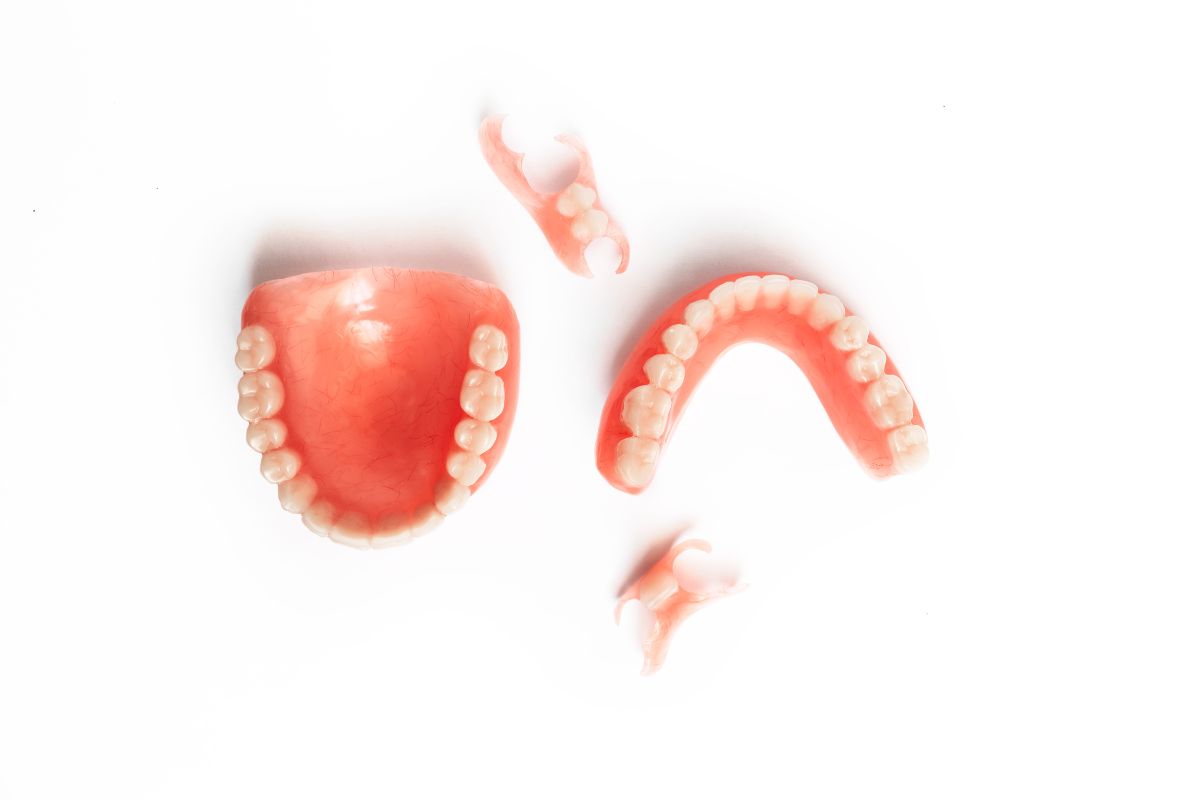
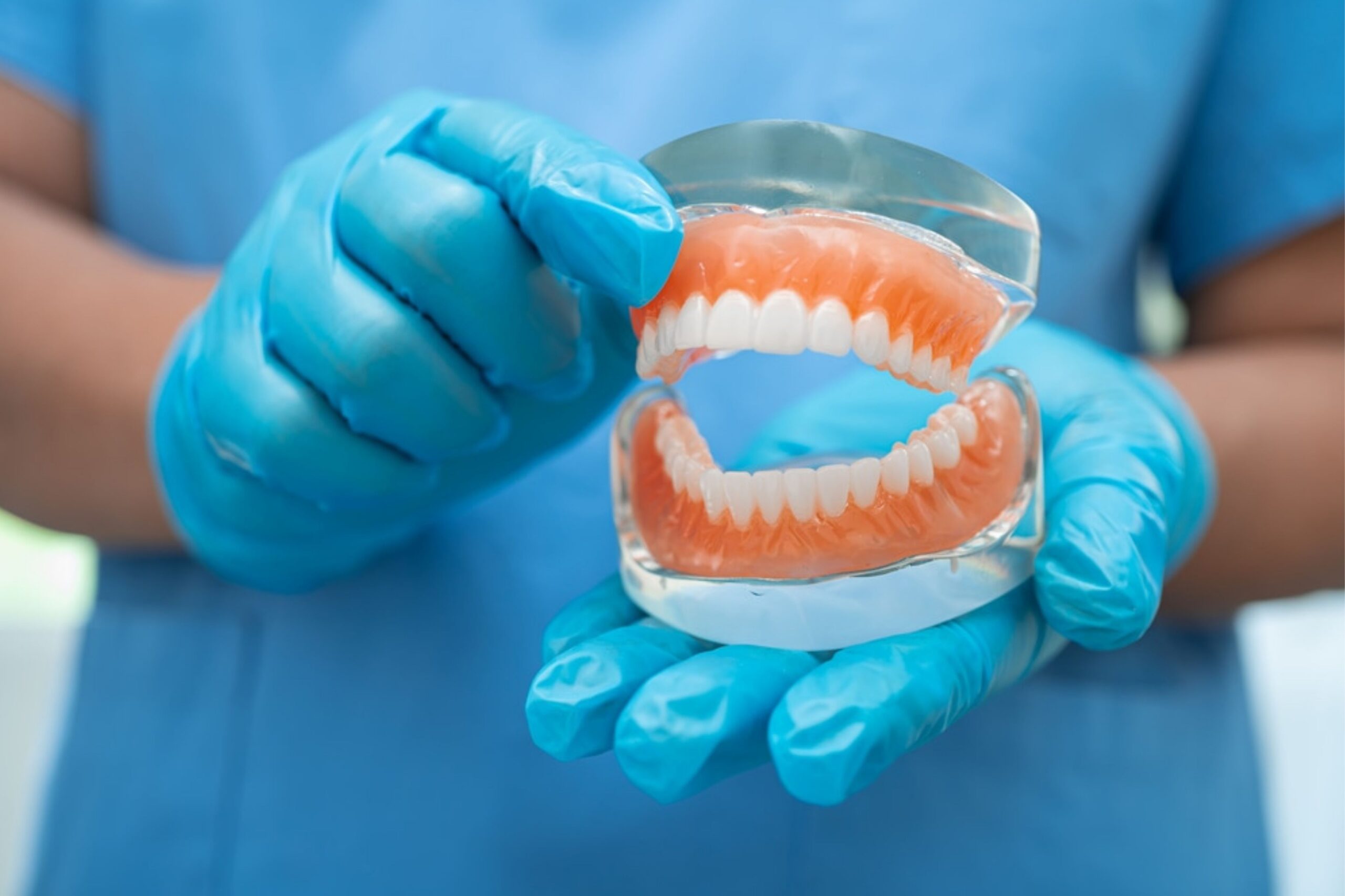
Dentures are removable prosthetic devices designed to replace missing teeth and surrounding tissues. They come in two main types: full dentures, which replace all teeth in the upper or lower jaw, and partial dentures, which fill in gaps when some natural teeth remain. Made from materials like acrylic resin and sometimes metal for added strength, dentures are custom-crafted to fit your mouth, ensuring comfort and functionality. They not only improve your ability to chew and speak but also support facial muscles, preventing the sagging appearance that can occur with tooth loss. As a first-time wearer, understanding how dentures work and what to expect can make the transition smoother and less intimidating.
Getting Started: Adjusting to Your New Dentures
The first few weeks with dentures can feel unfamiliar, but patience is key. Your mouth needs time to adapt to the new prosthetic, and you might experience mild discomfort or increased saliva initially. Here are some tips to ease the adjustment:
- Start Slow with Eating: Begin with soft foods like mashed potatoes, yogurt, or scrambled eggs. Cut food into small pieces and chew slowly using both sides of your mouth to distribute pressure evenly.
- Practice Speaking: Read aloud or talk to yourself to get used to speaking with dentures. If you notice a slight lisp, don’t worry—it typically resolves as your tongue adjusts.
- Wear Them Consistently: Resist the urge to remove your dentures frequently. Wearing them consistently helps your mouth adapt faster, though you should remove them at night to let your gums rest.
With time, these adjustments will become second nature, and you’ll feel more confident with your new smile.
Daily Denture Care: A Step-by-Step Routine
Proper care is essential to keep your dentures in good condition and maintain your oral health. A consistent routine will prevent issues like staining, odor, or gum irritation. Here’s a simple daily care guide:
- Remove and Rinse After Eating: Take your dentures out after meals and rinse them under lukewarm water to remove food particles. Avoid hot water, as it can warp the material.
- Brush Your Dentures: Use a soft-bristled denture brush and non-abrasive cleaner to gently scrub all surfaces. Regular toothpaste can be too harsh and may scratch the denture surface.
- Soak Overnight: Place your dentures in a denture-soaking solution or water overnight to keep them moist and prevent warping. Never let them dry out completely.
- Clean Your Mouth: Brush your gums, tongue, and palate with a soft toothbrush to remove plaque and stimulate circulation. If you have partial dentures, don’t neglect your natural teeth—brush and floss them as usual.
- Handle with Care: Dentures can break if dropped. Always handle them over a folded towel or a sink filled with water to cushion any accidental falls.
By following this routine, you’ll extend the life of your dentures and keep your mouth healthy. For those seeking affordable dentures in Austin, local dental practices often provide guidance on care products that suit your needs, ensuring you get the most out of your prosthetic.
Common Challenges and How to Overcome Them
First-time denture wearers often face a few hurdles, but these are manageable with the right approach. Sore spots, for instance, can develop if your dentures don’t fit perfectly. If you experience persistent discomfort, schedule a visit with your prosthetic dentist in Austin for an adjustment—they can fine-tune the fit to eliminate irritation. Another common issue is difficulty chewing tougher foods. Stick to softer options initially, and as you gain confidence, gradually reintroduce foods like steamed vegetables or tender meats. Some wearers also worry about dentures slipping during conversations or meals. Using a denture adhesive, as recommended by your dentist, can provide extra stability while you adjust.
Maintaining Oral Health with Dentures
Dentures don’t just replace missing teeth—they also play a role in supporting your overall oral health. Without proper care, you risk gum infections or irritation that can affect your comfort. Regular dental checkups are crucial, even with full dentures, to monitor the health of your gums and remaining teeth. Your dentist can also check the fit of your dentures, as changes in your jawbone over time may require adjustments or a new set. Additionally, avoid using your dentures to bite into hard objects like ice or nutshells, as this can cause damage. By prioritizing oral hygiene and professional care, you’ll ensure your dentures remain a reliable solution for years to come.
Trending FAQs About First-Time Denture Care
New denture wearers often have questions about their care and adjustment. Here are some frequently asked questions to address common concerns:
- How long does it take to get used to wearing dentures? Most people adapt within a few weeks to a month, though it varies depending on the individual and the type of dentures.
- Can I sleep with my dentures in? It’s best to remove them at night to give your gums a chance to rest and reduce the risk of irritation or infection.
- How do I clean my dentures properly? Rinse after meals, brush with a denture cleaner, and soak them overnight in a denture solution or water to keep them in good condition.
- What should I do if my dentures feel loose? Visit your dentist for an adjustment. Over time, your jawbone may change shape, requiring a refit or relining of your dentures.
- Can I eat normally with dentures? Yes, but start with soft foods and gradually reintroduce a wider variety of foods as you become more comfortable chewing.
These answers provide clarity and reassurance, helping you navigate the early stages of denture use with confidence.
When to See Your Dentist: Signs to Watch For
Regular visits to your dentist are essential, but certain signs warrant an immediate appointment. If your dentures cause persistent pain, sores, or bleeding gums, don’t ignore these symptoms—they could indicate an improper fit or an underlying issue. Cracks or chips in your dentures also require professional attention to prevent further damage. Additionally, if you notice changes in how your dentures fit over time, your jawbone may have shifted, a common occurrence with long-term denture use. Dentists specializing in prosthetics, including those offering options like full or partial dentures in Austin, can assess your needs and recommend solutions to keep your smile functional and comfortable.
Building Confidence with Your Dentures
Adapting to dentures is not just about physical adjustments—it’s also about embracing your new smile emotionally. Many first-time wearers feel self-conscious initially, but with time, you’ll appreciate the restored functionality and aesthetics dentures provide. Smile often, practice speaking, and don’t hesitate to ask your dental team for support if you’re struggling. Local dental professionals in Austin, MN, are committed to helping you feel at ease, offering personalized advice to ensure your dentures enhance your quality of life. With the right care and mindset, you’ll soon find that your dentures become a natural part of your daily routine, empowering you to live confidently.