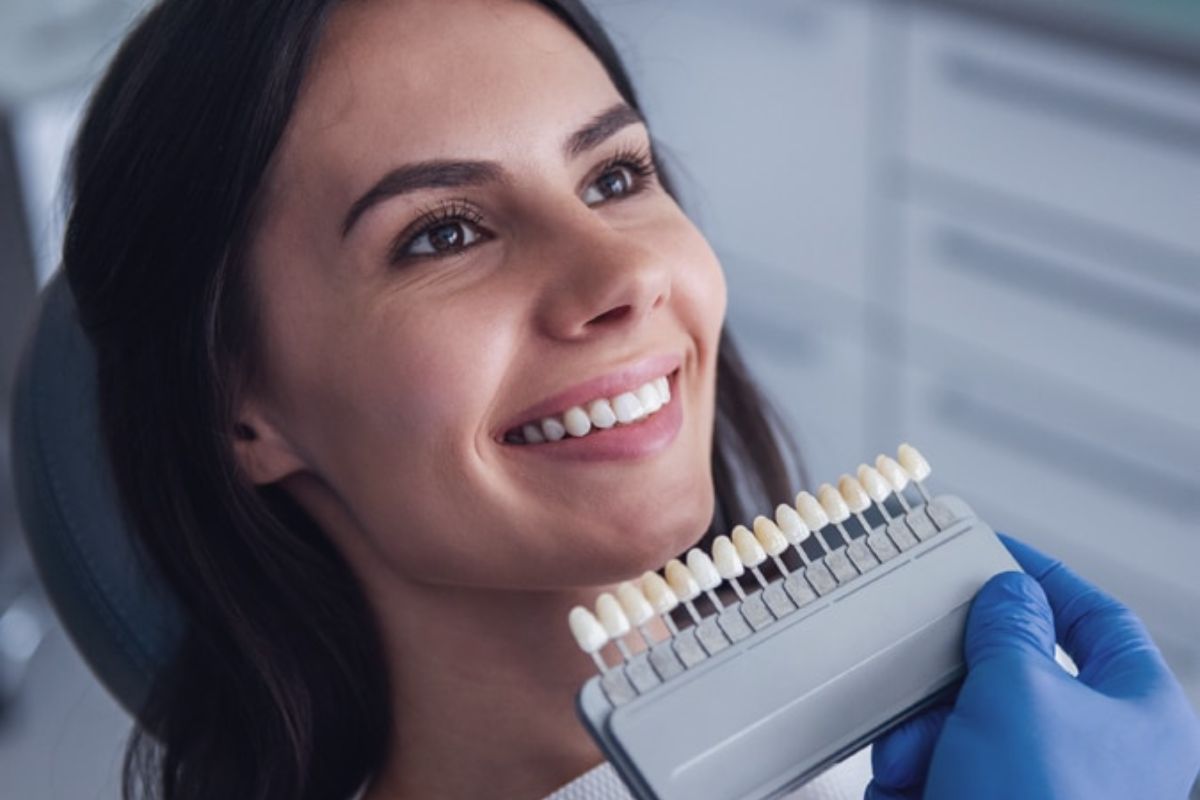


A bright, white smile is often seen as a hallmark of confidence and good health. At Potach & Mitchell Dental Clinic, we understand the allure of having dazzling teeth, and with the popularity of teeth whitening treatments rising, it’s natural to wonder: is bleaching your teeth safe?
Let’s dive into this topic together, addressing common concerns, explaining the process, and sharing expert advice to help you make informed decisions about your smile.
What Does Teeth Whitening Involve?
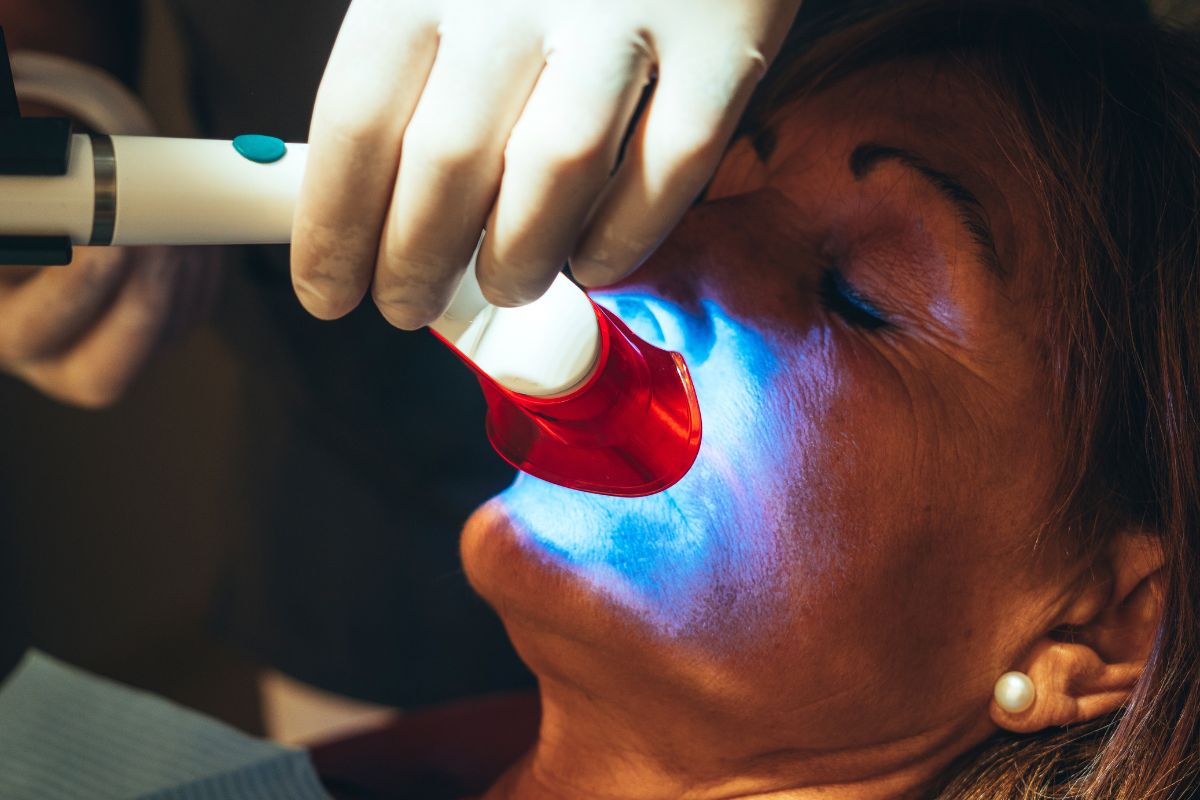
Teeth whitening, particularly bleaching, involves the use of whitening agents—typically hydrogen peroxide or carbamide peroxide—to lighten the color of your teeth. These agents work by penetrating the enamel and breaking down stains that have accumulated over time due to coffee, tea, wine, tobacco, or aging.
Professional treatments use carefully calibrated concentrations of these whitening agents to ensure effective and safe results. Over-the-counter products often contain lower concentrations and may require longer use to achieve noticeable changes.
Is Bleaching Safe for Your Teeth?
The safety of teeth bleaching largely depends on the method and the care with which it is performed. When done under the supervision of a dental professional, whitening treatments are considered safe for most people. Here’s why:
- Controlled Application: Professional whitening ensures the bleaching agents are applied evenly and stay away from sensitive areas, such as your gums.
- Tailored Approach: Dentists assess your oral health before treatment, identifying any issues, like cavities or gum disease, that could complicate whitening.
- High-Quality Products: Professional-grade whitening agents are not only more effective but are also designed to minimize risks to your enamel and gums.
That said, it’s important to remember that teeth whitening is not suitable for everyone. For instance, individuals with extremely sensitive teeth, certain dental restorations, or allergies to bleaching agents should explore alternative options.
Common Concerns About Teeth Whitening
It’s natural to have questions and reservations about any cosmetic treatment. Here are some of the most common concerns we hear from our patients:
Will Bleaching Damage My Enamel?
This is a frequently asked question, and the good news is that when done correctly, bleaching does not harm the enamel. The bleaching agents work on surface stains and intrinsic discolorations but do not erode the enamel itself. However, excessive or improper use of whitening products—such as overusing at-home kits—can lead to enamel sensitivity or irritation.
What About Tooth Sensitivity?
Some sensitivity after whitening is normal, especially during the first 24-48 hours. This occurs because the whitening agents temporarily make your teeth more porous, exposing the inner layers to external stimuli.
Are Over-the-Counter Products Safe?
While over-the-counter products can be convenient, they’re not without risks. Incorrect usage can lead to gum irritation, uneven whitening, or even damage to your enamel. Consulting a dentist ensures a safer and more predictable outcome.
Why Choose Professional Whitening?
With countless whitening products on the market, it’s tempting to try a DIY approach. However, professional treatments offer unparalleled benefits:
- Faster results in just one session.
- Reduced risk of complications, such as gum irritation.
- A customized plan tailored to your unique needs and dental history.
Summary
Teeth whitening, when done correctly, is a safe and effective way to boost your confidence and enhance your smile. The key lies in choosing the right method and seeking professional guidance. At Potach & Mitchell Dental Clinic, we’re here to answer your questions, evaluate your suitability for whitening, and deliver results you’ll love.
If you’re considering teeth whitening treatment or have concerns about the safety of bleaching, don’t hesitate to reach out. Let’s work together to give you the radiant smile you deserve. Call us at 507-437-6312 to schedule a consultation with us today, and take the first step toward a brighter tomorrow.